














































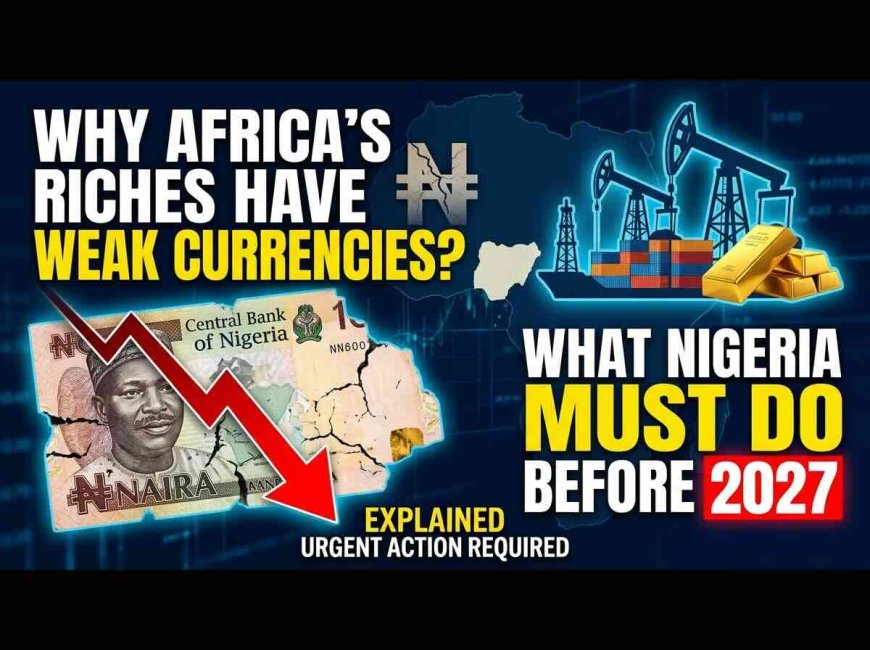
Why Africa’s Richest Nations Have Weak Currencies - What Nigeria Must Do Before 2027
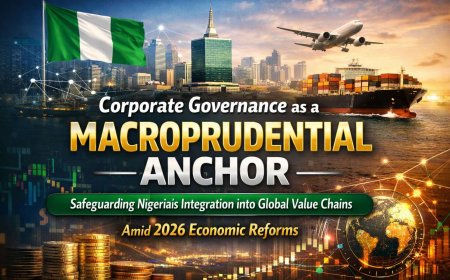
Africa possesses enormous natural resources, yet many of its richest nations continue to suffer from weak currencies, corruption, and economic instability. In this Probitas Report Special Economic Intelligence Cover Story, Dr. Ohio O. Ojeagbase examines why countries like Nigeria struggle with currency depreciation despite vast oil wealth and what reforms are urgently needed before the 2027 elections.

A Probitas Report Special Economic Intelligence Cover Story


Target Audience: African policymakers, finance ministers, central bank governors, international investors, financial institution stakeholders, and civil society leaders
ABSTRACT
Africa holds approximately 30% of the world’s mineral reserves, yet 22 of the continent’s 54 nations rank in the bottom quartile of global currency stability. This paper investigates the structural determinants of currency weakness among Africa’s resource-rich economies, with Nigeria as the primary case study. Using a mixed-methods approach that combines econometric analysis of exchange rate trends (2015 - 2026), comparative institutional assessment via Transparency International’s Corruption Perceptions Index, and industrial output data from the World Bank and African Development Bank, we demonstrate that weak currencies are not a function of resource scarcity but of institutional failure. The paper identifies four binding constraints: monocultural export dependence, import addiction, corruption-driven capital flight, and chronically low manufacturing value‑added. We then benchmark Nigeria against Ethiopia, Rwanda, Botswana, and Singapore to derive a governance-led recovery framework. The paper concludes with a 2027 election scorecard and 12 specific policy actions. The central argument is that currency strength is a lagging indicator of institutional integrity.
“A nation is not made wealthy by the oil beneath its soil, but by the integrity that governs its institutions and the character that shapes its people.”
... Dr. Ohio O. Ojeagbase
INTRODUCTION: THE AFRICAN PARADOX
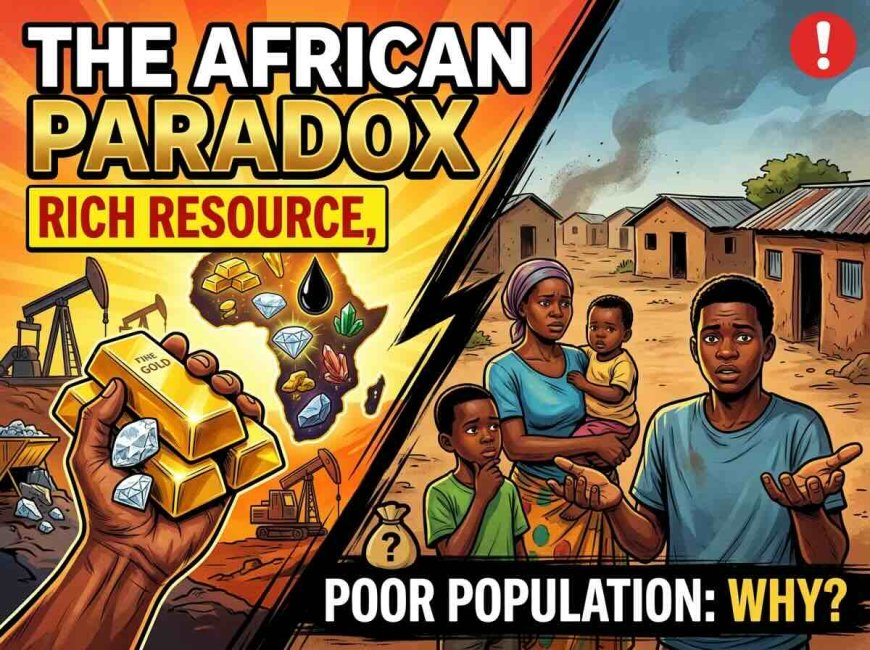
Africa is home to some of the world’s richest natural resources. The continent possesses vast reserves of crude oil (130 billion barrels, 7.5% of global proved reserves), gold (over 40% of global reserves), cobalt (more than 50%), lithium, uranium, diamonds, natural gas, copper, and 65% of the world’s arable uncultivated land. Yet paradoxically, many African countries with abundant resources continue to suffer from weak currencies, mass poverty, institutional corruption, and poor governance.
This contradiction raises one uncomfortable but necessary question: Why are nations rich in resources often poor in governance and weak in currency value?
For Nigeria, this question is no longer theoretical. It is existential. Despite earning an estimated $1.2 trillion from oil exports between 1970 and 2020 (in constant 2020 dollars), Nigeria continues to experience severe currency instability, rising inflation, youth unemployment exceeding 42%, capital flight estimated at $180 billion over two decades, infrastructure decay, and declining public trust in government institutions.
The Nigerian Naira, once stronger than the United States Dollar in the 1970s (₦0.65/$ in 1973), has suffered repeated devaluations over the decades. In March 2026, the Naira traded at ₦1,425 per dollar in the official market, a cumulative depreciation of 99.95% since 1970. Meanwhile, countries with fewer natural resources such as Singapore, Rwanda, Vietnam have transformed themselves through institutional discipline, productive economies, industrialization, and strategic governance reforms.
According to the World Bank (2025), sustainable economic growth depends not merely on natural resource wealth but on “strong institutions, macroeconomic stability, human capital investment, and private-sector productivity.” This article argues that Africa’s greatest problem is not lack of resources but the failure of governance systems to convert national wealth into national prosperity.
As 2027 approaches, Nigerian political leaders and citizens must decide whether the nation will continue recycling old economic failures or finally build a productive governance model capable of stabilizing the currency, restoring public confidence, and transforming Africa’s largest economy.
MORE READ:
- Nigeria - DRC Private Sector Partnership: A New Path for African Industrialisation and Economic Sovereignty
- Relational Governance Through Visionary Friendships: How Access Bank and Oando Built Bluechip African Multinationals
- Lagos International Financial Centre: Nigeria’s New Economic Blueprint
- How Corporate Governance Drives the Survival and Growth of Emerging Enterprises
- Why Strong Corporate Governance Is the Secret to African Business Survival
- Digital Governance in Nigeria, Why Corporate Boards Must Treat AI, Cybersecurity and Data Ethics as Fiduciary Duties
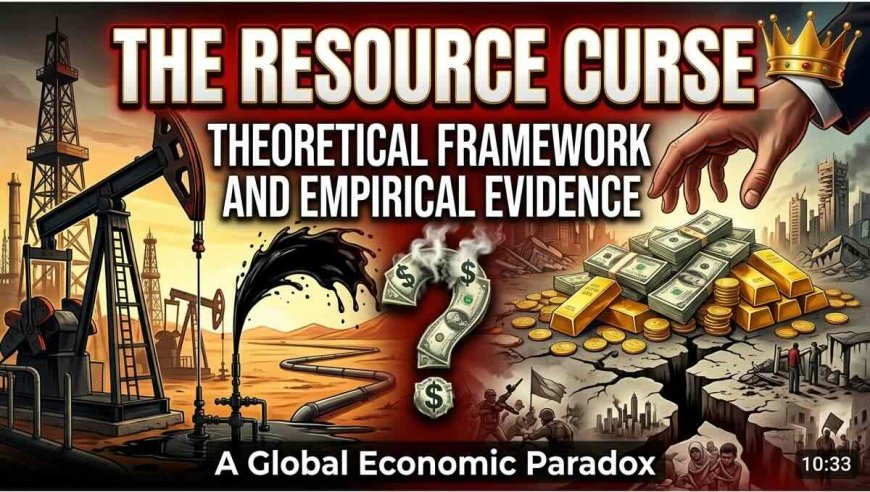
THE RESOURCE CURSE: THEORETICAL FRAMEWORK AND EMPIRICAL EVIDENCE
For decades, African economies have been conditioned to believe that resource abundance automatically guarantees prosperity. History has proven otherwise. The “resource curse” thesis, formalized by Auty (1993) and Sachs & Warner (2001), posits that countries heavily dependent on raw commodity exports experience slower growth, higher corruption, weaker institutions, and greater currency volatility than resource‑poor peers.
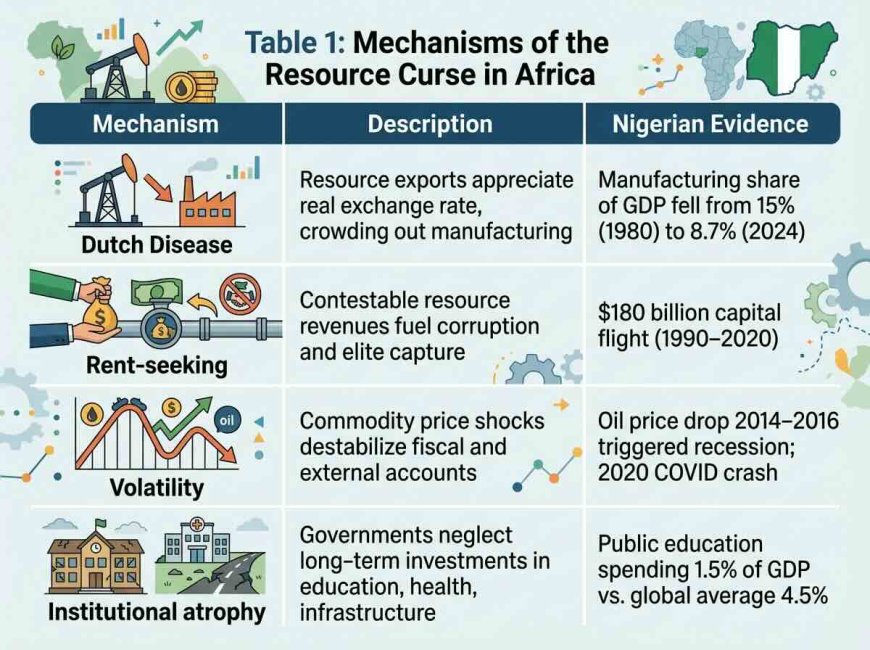
Transparency International (2025) warns that corruption undermines economic growth, weakens democracy, and destroys public trust. In resource‑dependent African economies, the Corruption Perceptions Index (CPI) score is, on average, 12 points lower than in diversified economies.
“The resource curse is not a matter of geology. It is a matter of governance. Oil does not corrupt on its own; corruption begins when power over oil is left without accountability.”... Dr. Ohio O. Ojeagbase
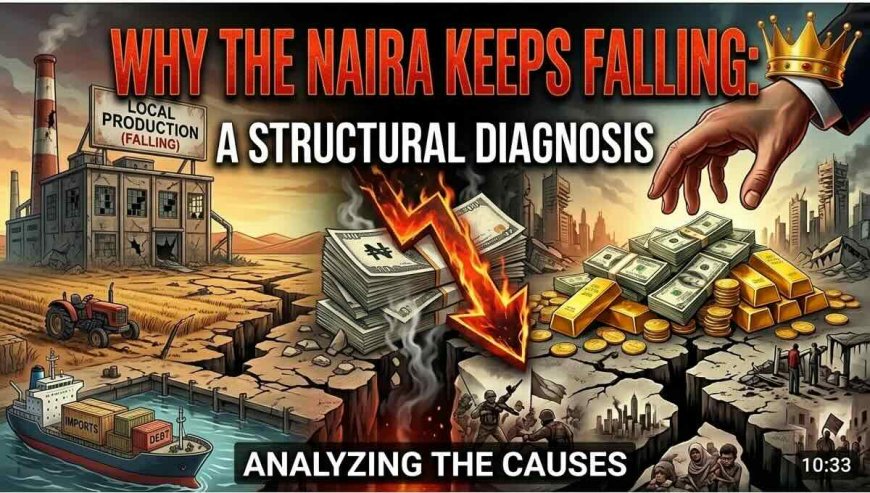
WHY THE NAIRA KEEPS FALLING: A STRUCTURAL DIAGNOSIS
The decline of the Nigerian Naira is not caused by one single factor. It is the cumulative result of four decades of structural weaknesses. We analyze each in turn.
Excessive Dependence on Oil
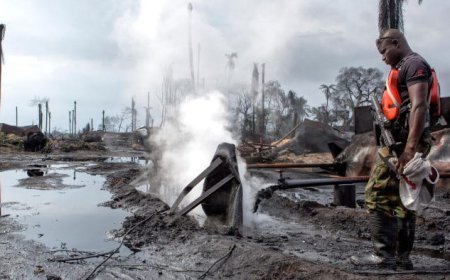
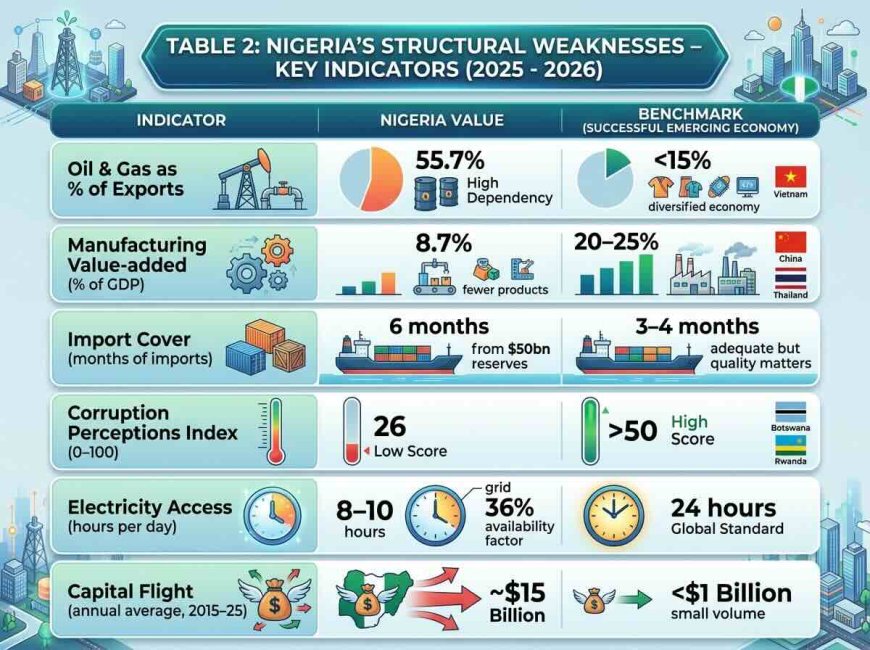
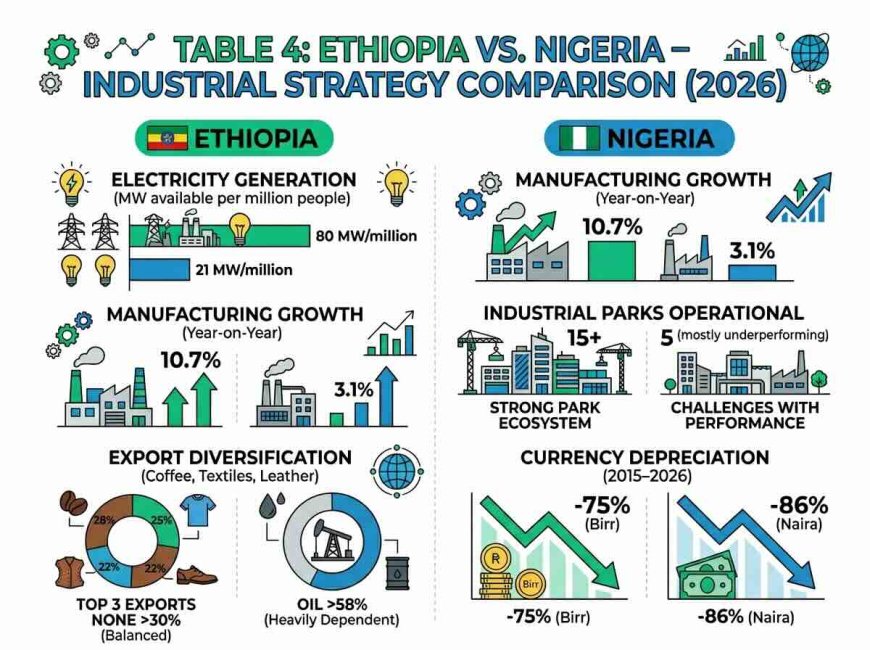
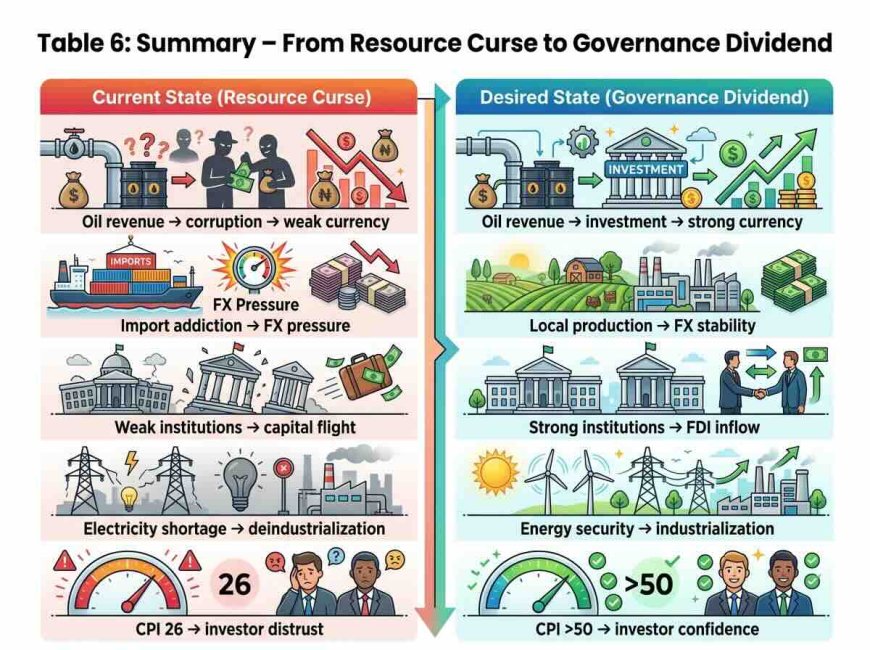
Oil remains Nigeria’s dominant foreign exchange earner, constituting 55.7% of total export value in 2025 and 80% of government revenue in some years. This creates vulnerability because global oil prices fluctuate unpredictably. When oil prices fall, as they did in 2014 to 2016, 2020, and partially in 2025, government revenue declines, FX reserves weaken, currency pressure increases, and inflation rises. Countries with diversified productive sectors such as Indonesia or Vietnam, generally experience stronger currency resilience.
Import Dependency
Nigeria imports enormous volumes of refined petroleum, machinery, pharmaceuticals, processed food, industrial equipment, and consumer goods. According to the National Bureau of Statistics (2025), Nigeria’s import bill averaged $50 billion annually between 2020 and 2025, while exports (excluding oil) stagnated below $5 billion. This places continuous pressure on foreign exchange demand. A country that consumes more than it produces will inevitably weaken its currency.
Corruption and Revenue Leakages
Corruption remains one of Nigeria’s most destructive economic threats. According to Transparency International’s Corruption Perceptions Index 2025, Nigeria scored 26/100, ranking 142nd out of 182 countries, unchanged from 2024 and behind 33 other African nations. Corruption weakens currencies because it discourages investors, encourages capital flight (estimated at $15-20 billion annually), reduces public confidence, distorts public spending away from productive infrastructure, and increases debt dependence. The economic cost of corruption extends far beyond stolen money; it destroys institutional credibility.
Weak Manufacturing Capacity
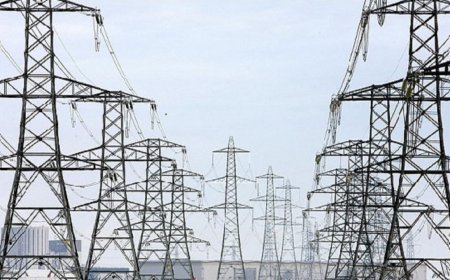
Countries with strong currencies like Germany, South Korea, Switzerland - possess robust productive industries. Nigeria’s industrial contribution remains constrained by poor electricity supply (average 4,901 MW available for 230 million people, less than 5% of the grid capacity per capita of South Africa), high production costs, infrastructure deficits, policy inconsistency, and insecurity. Without industrial productivity, sustainable currency strength becomes difficult.
COMPARATIVE ANALYSIS: AFRICA’S RICHEST NATIONS VS. SUCCESS STORIES
To understand why resource wealth does not guarantee currency strength, we compare Nigeria with three African peers and two global benchmarks.
Africa’s Resource‑Rich Underperformers
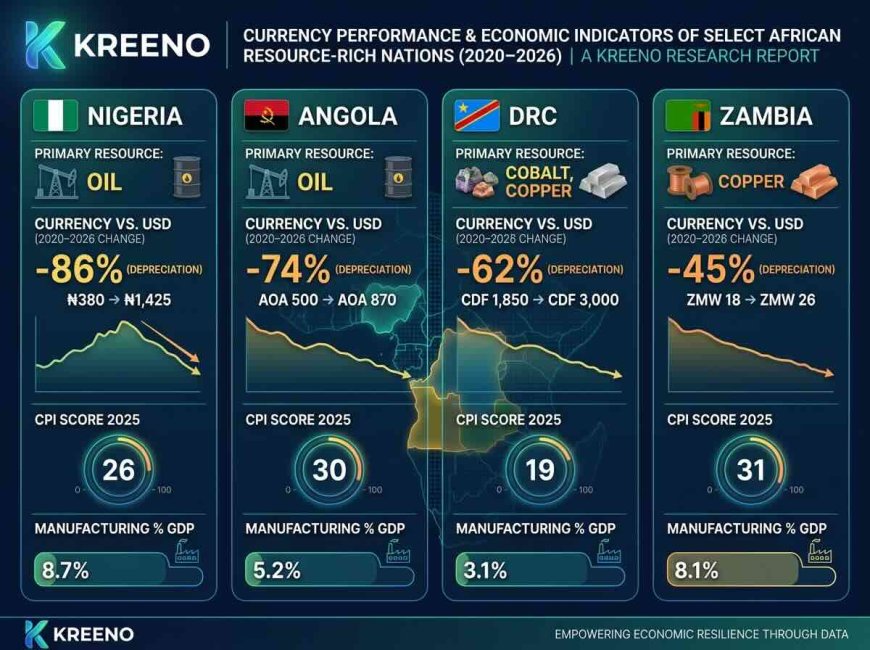
All four nations share the same pattern: monocultural export dependence, weak institutions, and currency collapse. Their currencies have lost between 45% and 86% of their value against the dollar in just six years.
African Success Stories: Botswana and Rwanda
Botswana: Though rich in diamonds (80% of exports), Botswana avoided governance failures associated with resource‑dependent economies because it prioritized fiscal discipline, institutional stability, rule of law, sovereign wealth management (Pula Fund, established 1994), and transparent governance. Botswana’s CPI score of approximately 60 is the highest in Sub‑Saharan Africa. Its currency, the Pula, has depreciated only 12% against the dollar over the same six‑year period, a remarkable stability.
Rwanda: With negligible natural resources, Rwanda transformed itself from post‑conflict devastation into one of Africa’s fastest‑improving governance systems. Key reforms included digital governance, public sector accountability, efficient business registration (starting a business takes 4 hours), anti‑corruption enforcement, and administrative discipline. Rwanda’s CPI score rose from 33 in 2015 to 38 in 2025. Its currency, the Rwandan Franc, has depreciated 35%, significant but far less than resource‑rich peers, and accompanied by GDP growth averaging 7-8% annually.
“Africa’s future prosperity will depend not on what lies beneath the ground, but on what is built above it: strong institutions, transparency, discipline, integrity-in-business culture, and leadership accountability.” ... Dr. Ohio O. Ojeagbase
Global Gold Standard: Singapore
The transformation of Singapore remains one of the most important governance lessons globally. Singapore had no major natural resources. Yet today, it possesses a strong currency stability (Singapore Dollar has depreciated less than 5% against USD in six years), efficient institutions (CPI 84/100, 3rd globally), global investor confidence, low corruption, and advanced infrastructure. How? Through zero tolerance for corruption, merit‑based public administration, strong legal systems, strategic economic planning, and efficient public service. The lesson is profound: institutions are stronger economic assets than oil wells.
LESSONS FROM ETHIOPIA: INDUSTRIAL POLICY IN ACTION
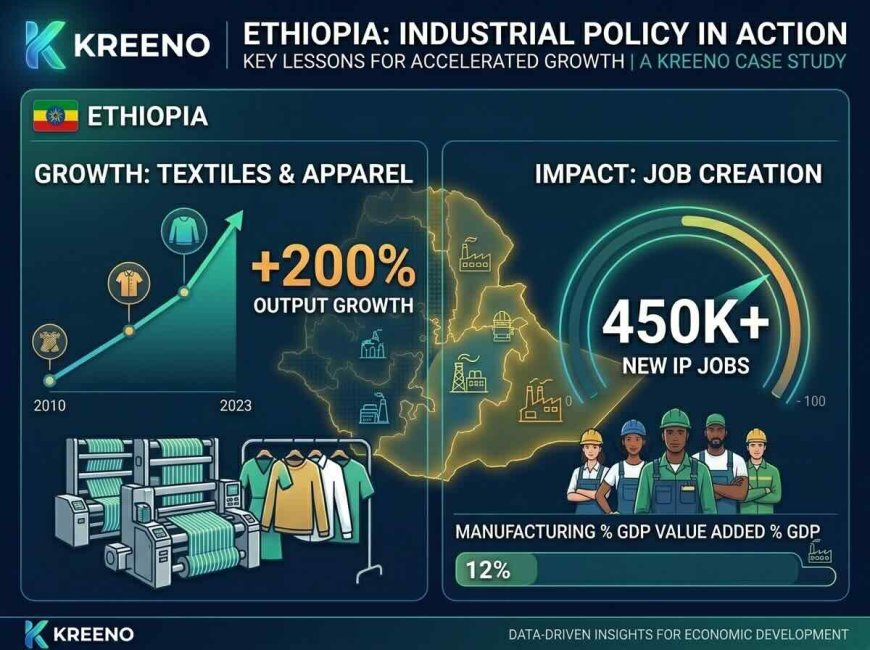
Ethiopia is not without challenges. The country has faced inflation, debt pressures, and conflict. However, Ethiopia demonstrates important lessons regarding economic productivity and national planning. Unlike many oil‑dependent economies, Ethiopia invested heavily in agriculture, hydropower (the Grand Ethiopian Renaissance Dam, now generating 1,500+ MW), industrial parks (over 15 operational, employing 80,000+ workers), manufacturing (growing at 10.7% year‑on‑year), and rail infrastructure (Addis Ababa‑Djibouti railway). The GERD symbolizes long‑term strategic thinking aimed at energy independence and industrial expansion.
“Ethiopia recognized an important reality: without energy security, there can be no lasting economic security.” .
.. Dr. Ohio O. Ojeagbase
Countries that generate reliable electricity reduce production costs, encourage manufacturing, and improve export competitiveness. Nigeria, despite enormous gas reserves (206 trillion cubic feet), continues to struggle with electricity shortages decades after independence.
Many African nations misunderstand poverty. Poverty itself is not the greatest danger. Bad governance is. Poor nations can rise through productivity and discipline. But nations captured by corruption and institutional decay often remain trapped regardless of resource abundance.
The World Bank (2025) recently noted that Nigeria’s reforms could improve long‑term stability if supported by “better infrastructure, improved public service delivery, and private sector‑led growth.” However, reforms without disciplined accountability rarely succeed. Citizens no longer judge governments merely by speeches or political slogans. They judge governments by electricity availability, currency stability, job opportunities, security, purchasing power, institutional fairness and ability to achieve their personal dream in the land.
“Corruption is more than an economic offense. It steals a nation’s future.”
... Dr. Ohio O. Ojeagbase
THE 2027 ELECTION: A DEFINING ECONOMIC REFERENDUM
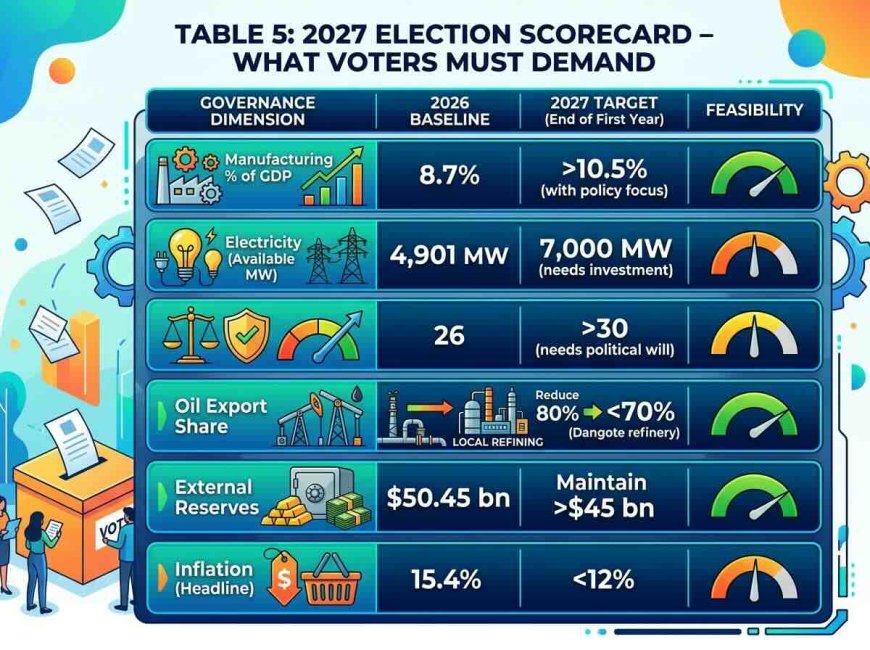
The 2027 election must become more than a political contest. It must become a national referendum on governance quality. Nigerians must begin asking harder questions: Which leaders understand economic productivity? Which leaders support institutional independence? Which leaders will reduce corruption? Which leaders will prioritize manufacturing? Which leaders will strengthen the rule of law? Which leaders will reduce import dependency?
The future of the Naira depends less on political rhetoric and more on governance competence.
WHAT NIGERIA MUST DO BEFORE 2027: TWELVE ACTIONABLE RECOMMENDATIONS
Industrialize Aggressively
Nigeria must prioritize manufacturing, agro‑processing, export industries, local refining, and technology production. No country sustains currency strength without productive industries. Target: manufacturing share of GDP to 15% by 2030.
End the Culture of Economic Consumption Without Production
Nigeria imports too much and produces too little. This imbalance weakens FX reserves, employment generation, industrial growth, and currency stability. National policy must reward production, not import dependency. Implement import substitution 2.0 for 50 priority products.
Reform Public Institutions
Strong economies require strong institutions. Nigeria must strengthen judiciary independence, anti‑corruption agencies, tax administration (current tax‑to‑GDP ratio 10.7% vs. African average 16.5%), procurement systems, and regulatory transparency.
Invest in Human Capital
Countries do not become prosperous merely because they have minerals. They become prosperous because they develop people. Education (increase spending from 1.5% to 4% of GDP), innovation, vocational training, and technology investment remain essential.
Build Energy Infrastructure
Economic transformation without electricity is impossible. Nigeria possesses massive gas reserves yet struggles with chronic power shortages. Industrial growth requires stable electricity, energy reform, and infrastructure modernization. Target: 10,000 MW available by 2028.
Other Critical Actions
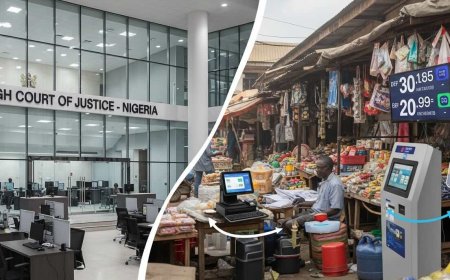
- Deploy the National Single Window to reduce port delays and corruption.
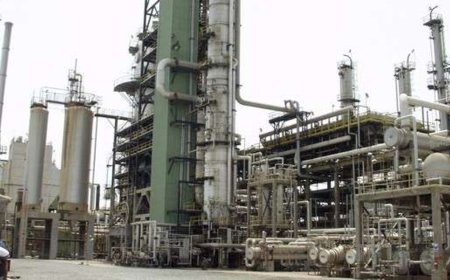
- Bring local refineries into full operation to cut fuel imports and secure domestic energy supply.
- Digitize procurement systems to reduce leakages and strengthen accountability.
- Protect the sovereign wealth fund from political interference through clear withdrawal rules.
- Tie exchange-rate policy to export and manufacturing performance, not oil earnings.
- Entrench Central Bank independence in law.
- Set measurable anti-corruption and asset-recovery targets.
- Prioritize energy infrastructure as the backbone of productivity, industrialization, and long-term growth.
THE MORAL CRISIS BEHIND THE ECONOMIC CRISIS
Nigeria’s economic challenges are not merely technical. They are moral. A nation cannot continuously reward corruption and expect prosperity. A society cannot normalize impunity and expect institutional trust. A country cannot celebrate wealth without questioning the legitimacy of its sources and still expect ethical governance.
Governance transformation cannot occur through political leadership alone. Citizens must also reject vote buying, ethnic politics, political violence, religious manipulation, and short‑term patronage. A democracy becomes weak when voters prioritize tribal loyalty over competence. The future of the Naira will not be determined only by the Central Bank. It will also be determined at polling units.

CONCLUSION: THE REAL WEALTH OF NATIONS
The greatest wealth of nations is not oil. It is not gold. It is not diamonds. The real wealth of nations is institutional integrity. Countries rise when laws work, leaders are accountable, citizens trust institutions, productivity is rewarded, corruption is punished, and governance becomes service rather than privilege.
Nigeria still possesses immense potential. But potential without governance discipline becomes national frustration. As 2027 approaches, both leaders and citizens must recognize one unavoidable truth: the future of the Nigerian economy will not be decided beneath the ground where oil is buried. It will be decided above the ground - within the integrity of institutions, the courage of leadership, and the wisdom of voters.
“History will not remember how many speeches leaders gave. History will remember whether they built institutions strong enough to outlive them.”
... Dr. Ohio O. Ojeagbase
The warning is clear. The data is irrefutable. The 2027 election is the deadline. Africa is watching. The world is watching. Nigeria must choose.
Contact: report@probitasreport.com
Stay informed and ahead of the curve! Follow The Probitas Report on WhatsApp for real-time updates, breaking news, and exclusive content especially on integrity in business and financial fraud reporting. Don’t miss any well researched headlines, connect with us on social media @probitasreport and visit www.probitasreport.com WhatsApp Only: +234 902 148 8737
[©2026 ProbitasReport - All Rights Reserved. Reproduction or redistribution requires explicit permission.]
What's Your Reaction?