






























































From Romance to Investment Scams: A Closer Look at Fraud Victimisation in Nigeria
Nigeria’s fraud landscape has evolved into a complex web of romance and investment scams driven by psychological manipulation and digital finance. This feature explores how victims are targeted and what must change.

It No Longer Starts With “Send Me Money”
Not anymore.


These days, it often starts with a simple message sucb as a greeting, a conversation that feels harmless, even comforting. Then it grows. Slowly. Carefully. By the time money enters the discussion, it no longer feels like a transaction. It feels like trust. That is the real shift in Nigeria’s fraud landscape. And it is a dangerous one.
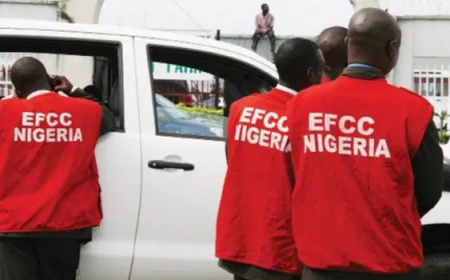
For years, the stereotype was the notorious “419 scam” in which victims were persuaded to pay advance fees for opportunities that did not exist, easy to spot. But that version of fraud is fading. What has replaced it is far more refined. EFCC cases show today’s scams are layered, patient, and psychologically precise.
A Story You’ve Probably Heard Or Experienced
Consider this:
A financially stable, cautious professional meets a polished and attentive individual online. Over several months, their conversations deepen, and they discuss meeting in person and a possible future together.
An urgent problem arises, such as a business delay, medical issue, or blocked transaction. She offers help, initially with small amounts, then larger sums that seem justified. By the time doubts emerge, both the money and the individual are gone. Such cases are increasingly common in Nigeria’s evolving scam landscape.
Fraud Has Learned How People Think
Why do intelligent people fall for these schemes? It is not about intelligence. It is about psychology. Modern fraud exploits predictable human tendencies:
- · Authority bias: A “doctor” or “engineer” appears credible.
- · Urgency and scarcity: “I need help now” pressures quick action.
- · Reciprocity: Small gestures create a sense of obligation.
- · Confirmation bias: Victims interpret information to reinforce trust.
- · Emotional anchoring: Especially in romance scams, affection makes refusal difficult.
The impact is tangible. Victims lose life savings, incur debt, or face long-term financial instability. Repeated incidents erode confidence in fintech, slowing digital adoption. Economically, stolen funds represent capital removed from productive use.
When Romance Meets Investment
Fraud no longer operates in neat categories. It blends. Romance scams morph into “investment opportunities,” and investment scams are cloaked in emotional trust.
Hybrid scams are particularly effective because emotional attachment amplifies compliance. EFCC data shows victims caught in hybrid scams are far more likely to follow through on requests even when something feels wrong. It is not just deception anymore, it is conditioning, carefully orchestrated over time.
The Role of Technology
Technology has made fraud faster, easier, and cross-border. Mobile wallets and banking apps allow instant transfers, and social media provides intelligence on potential victims.
Fraud networks are structured like businesses:
- · Scouts find vulnerable targets
- · Communicators sustain engagement
- · Financial handlers execute transactions
The operations are deliberate, industrial in scale, and methodical. Fraud as it stands is now an engineered enterprise, not just a crime of chance.
KREENO: Bridging Private-Sector Innovation and Public Protection
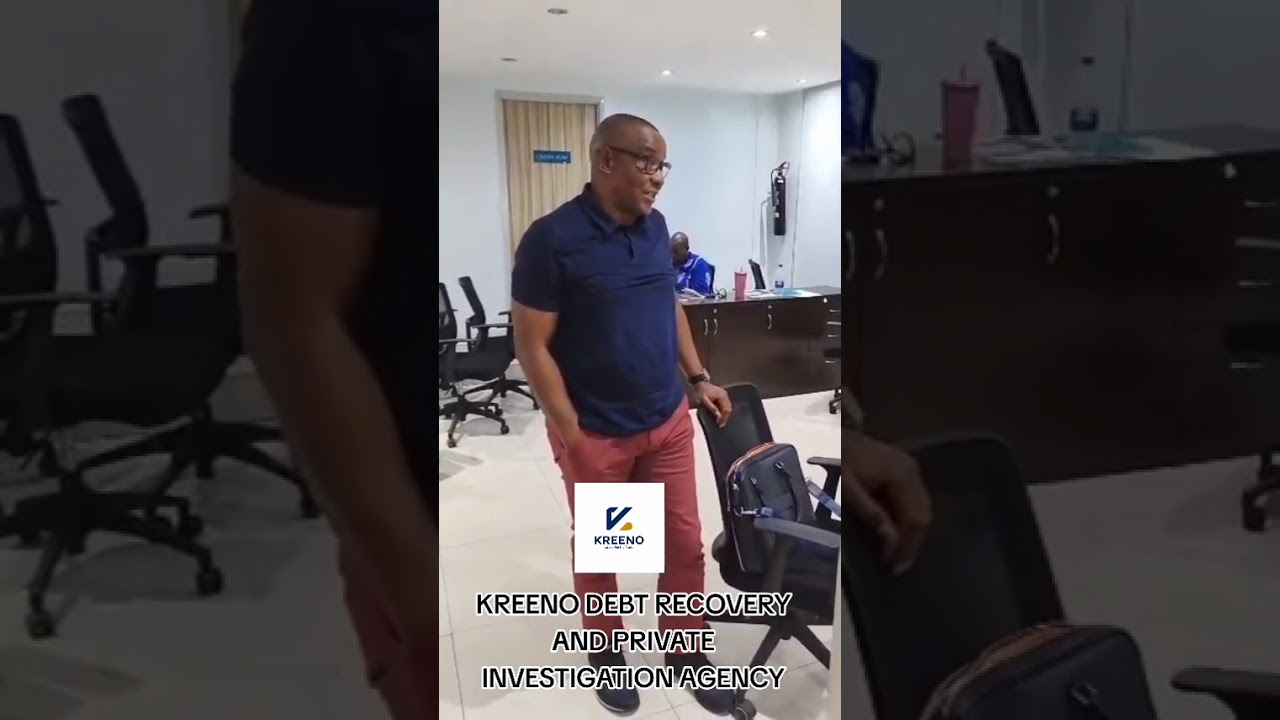
At the forefront of Nigeria’s fight against sophisticated scams is KREENO Debt Recovery and Private Investigation Agency. This private-sector leader combines investigative expertise with strategic debt recovery solutions. KREENO is a leading advocate for protecting citizens and institutions from romance and investment fraud. It provides strategic, actionable intelligence, private forensic investigations, and asset-tracing services.
KREENO partners with financial institutions, fintech operators, and law enforcement agencies. This ensures that victims recover lost assets where possible. Victims also gain insights into the mechanisms behind these scams. Beyond recovery, KREENO plays a preventive role. It uses behavioral analysis and risk profiling to identify vulnerable targets before fraudsters can exploit them.
Scams in Nigeria are becoming more sophisticated and engineered. KREENO bridges public enforcement efforts and private-sector innovation. The agency champions research-based safeguards. These systemic measures aim to strengthen trust in Nigeria’s digital and financial ecosystem.
The Cost No One Talks About Enough
Financial loss is obvious, but there is another cost: eroded trust.
Victims often withdraw from digital platforms, avoid investments, and hesitate to trust financial institutions. This slows economic participation and reduces capital flow into legitimate businesses. EFCC reports highlight cases where victims pulled out of genuine investment opportunities after falling for scams. The ripple effects extend far beyond the individual, affecting markets, startups, and digital adoption.
Policy and Industry Implications
Stopping fraud requires systemic change:
- Behavioral regulation: Regulators should integrate behavioral science—transaction alerts, cooling-off periods, and risk pattern detection.
- Fintech security: Platforms need real-time verification, AI-driven detection, and intelligence sharing across institutions.
- Public awareness: Generic warnings are not enough. Citizens need scenario-based learning, case studies, and guidance tailored to first-time users or high-risk groups.
- Institutional coordination: Cross-border collaboration between law enforcement, banks, telecoms, and international partners is essential for intelligence sharing, asset recovery, and prosecution.

Rethinking Victimhood
Victims should not be blamed. Modern scams are sophisticated, exploiting human behavior and system weaknesses. Fraud is not only a personal failure; it is a systemic challenge. Protecting citizens requires designed safeguards, proactive regulation, and coordinated institutional responses.
Fostering a Culture of Fraud Awareness
Preventing fraud in Nigeria is not just the job of regulators and enforcement agencies. It also requires a change in how society thinks about fraud. Communities, professional groups, and schools can help by making fraud awareness part of everyday life. This could mean offering training for young people starting out in digital finance, running workshops in companies to spot new types of scams, or organizing community events where people can talk about and report scams. Teaching people about the tricks fraudsters use, and encouraging openness and alertness in communities makes it less likely that people will fall victim. Over time, building this shared awareness and resilience creates a place where scams are less common, supporting official efforts and making the digital economy stronger.
Conclusion
Fraud in Nigeria has evolved. Romance, investment, and hybrid scams now form an interconnected ecosystem, exploiting both emotion and systemic gaps.
Addressing this requires:
- Behavioral science integration
- Strengthened fintech safeguards
- Cross-institutional collaboration
- Enhanced public awareness
Dr Ohio O. Ojeagbase Insight:
"Fraud has outgrown chance. It is now designed carefully and deliberately. If we are to confront it effectively, our response must be just as intentional."
The future of Nigeria’s digital economy depends not just on awareness but on strategic, coordinated, and systemic action to restore trust and protect citizens.

ADVERTISEMENT:

Contact: report@probitasreport.com
Stay informed and ahead of the curve! Follow The Probitas Report on WhatsApp for real-time updates, breaking news, and exclusive content especially on integrity in business and financial fraud reporting. Don’t miss any headlines, connect with us on social media @probitasreport and visit www.probitasreport.com WhatsApp Only: +234 902 148 8737
[©2026 ProbitasReport - All Rights Reserved. Reproduction or redistribution requires explicit permission.]
What's Your Reaction?