






























































Africa Forward Summit 2026: Taiwo Oyedele on Nigeria’s Growth, AfCFTA & Africa’s Financial Future
Insights from the Africa Forward Summit 2026 in Nairobi as Taiwo Oyedele discusses Africa’s high cost of capital, industrialization, AfCFTA, infrastructure financing, regional integration, and Nigeria’s role in driving private sector-led growth across Africa.
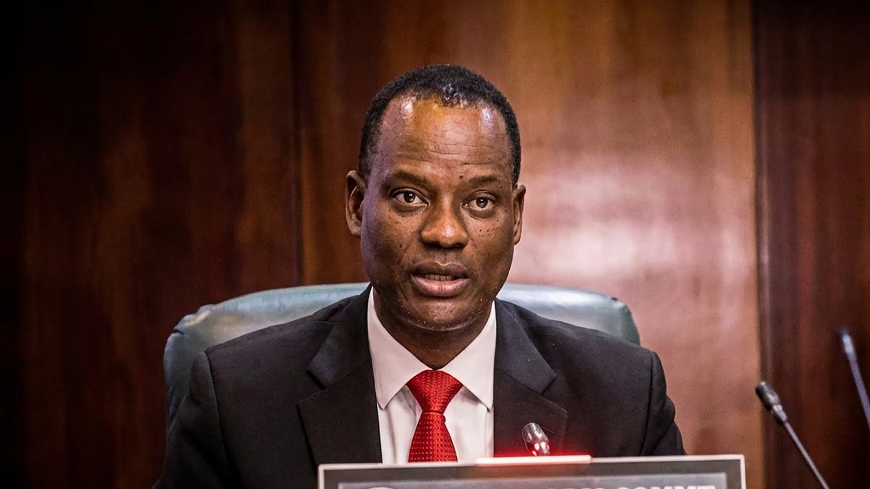

Africa Forward Summit 2026: Insights from Mr. Taiwo Oyedele


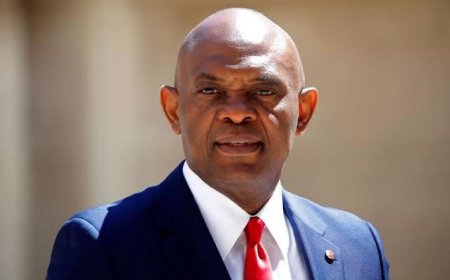
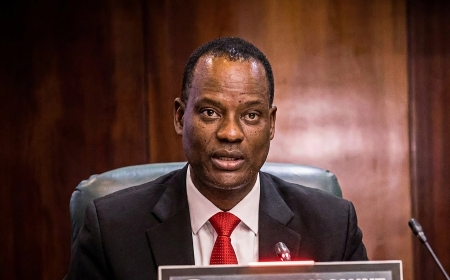
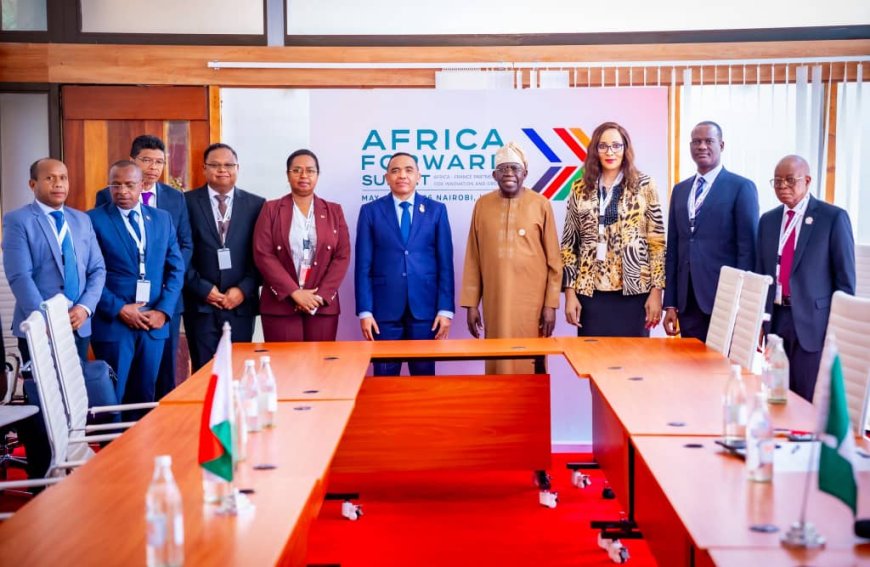
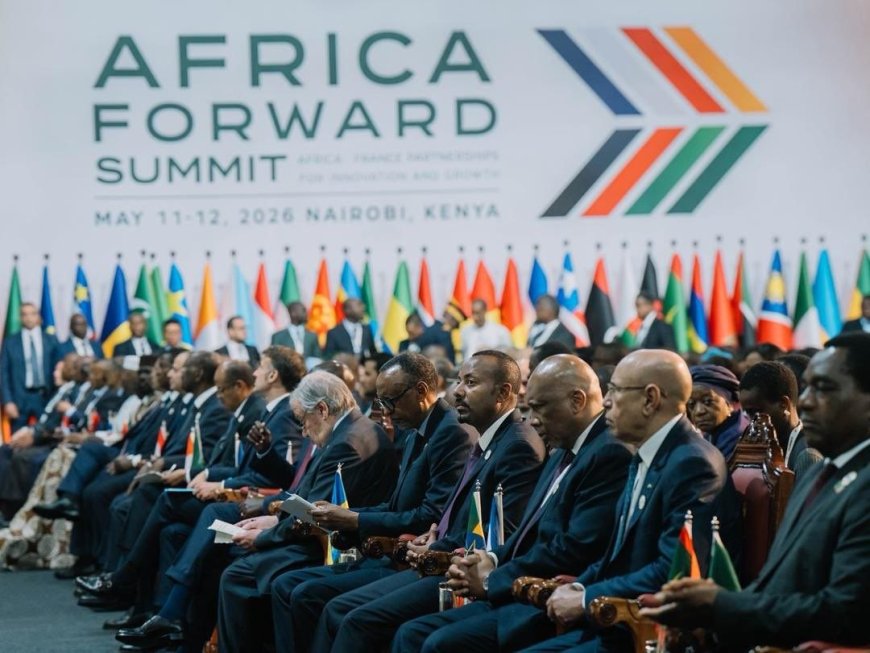
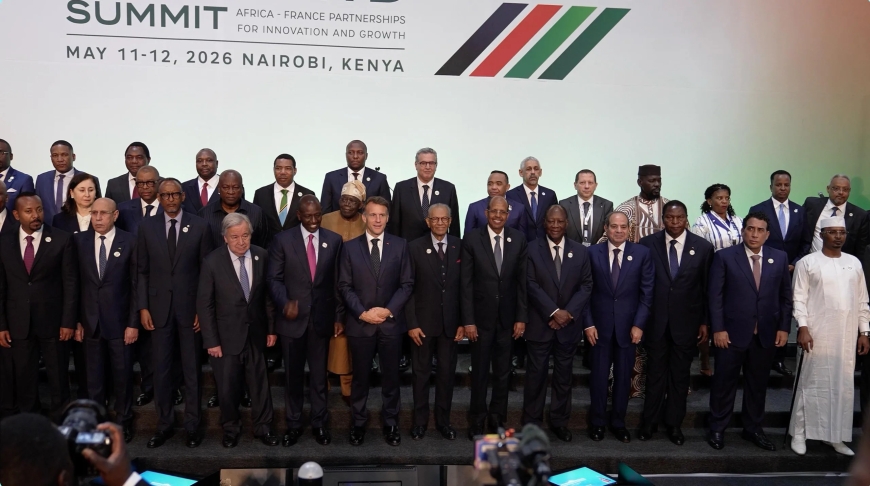
The Africa Forward Summit 2026, held in Nairobi, Kenya, brought together leading policymakers, private sector leaders, and development experts to discuss the continent’s economic future. Among the notable speakers was Mr. Taiwo Oyedele, who emphasized the urgent need to rethink Africa’s position in the global financial system and outlined strategies for Nigeria and the broader continent to achieve sustainable, private sector-driven growth.
One of the central themes of Mr. Oyedele’s address was the disproportionate cost of capital facing African economies. He highlighted that Africa continues to pay a “prejudice premium,” a systemic bias in global financial systems that inflates borrowing costs and restricts access to long-term, patient capital. This, he argued, is not just a financial inconvenience- it is a barrier to industrialization, value creation, and continental competitiveness. For African countries like Nigeria, which has immense potential in sectors ranging from energy to agriculture and technology, high borrowing costs hinder the ability of businesses and governments to finance strategic projects at scale.

He stressed that the current financial architecture limits Africa’s ability to industrialize due to four major constraints:
1. High borrowing costs - African nations often pay interest rates far above those of countries with similar economic fundamentals elsewhere. This is due in part to perceived risks that are exaggerated in global financial assessments. The consequence is that large-scale investments in infrastructure, manufacturing, and technology become prohibitively expensive.
2. Restrictive financing terms - Even when loans or investment funds are accessible, the terms are often inflexible, short-term, or tied to conditions that prioritize repayment over productive economic use. African economies require financing structures that enable long-term planning, industrial development, and job creation.
3. Limited access to long-term capital - Industrialization requires patient capital that can support multi-year projects such as power plants, transportation networks, and technology hubs. Mr. Oyedele noted that Africa’s private sector often struggles to secure such funding, limiting the potential for large-scale economic transformation.
4. Inadequate financing for productivity and value addition - Historically, much of Africa’s finance has been directed toward short-term relief, commodity exports, or emergency response rather than projects that enhance domestic capacity, create skilled employment, and generate local value.
Mr. Oyedele argued that addressing these structural financial limitations requires both external reforms and strong internal action. African governments must not wait for global systems to change; they must proactively create environments that attract productive investment. This includes strengthening governance, ensuring policy stability, upholding the rule of law, and enforcing contracts. Investors need certainty, and Africa’s governments must deliver this through transparent and consistent policy frameworks.
A key point in Mr. Oyedele’s presentation was the need for African countries, particularly Nigeria, to mobilize domestic resources to support growth. He highlighted that while Africa is often depicted as capital-poor, the continent actually possesses significant financial resources if leveraged effectively. Pension funds, insurance assets, sovereign wealth, and private savings represent a pool of capital that can be directed into infrastructure, industrialization, and technology development. Nigerian pension assets, for instance, have grown significantly over the past decade and, if strategically deployed, could finance transformative projects across the country.
The summit also emphasized the importance of shifting the focus of financing from raw material extraction and emergency funding to productive investments that support value addition. Mr. Oyedele underscored that Africa’s future lies not in exporting raw commodities, but in creating local industries that manufacture finished goods, develop technology, and enhance human capital. This requires a combination of private sector initiative, supportive policy frameworks, and regional integration.
Regional integration, according to Mr. Oyedele, is a critical lever for sustainable growth. Fragmented national markets are too small to achieve the economies of scale necessary to compete globally. For Nigeria, which is already Africa’s largest economy and a hub for trade and innovation, regional integration provides a pathway to expand markets, create cross-border industrial clusters, and attract large-scale investment. The African Continental Free Trade Area (AfCFTA) plays a pivotal role here by harmonizing trade regulations, reducing tariffs, and fostering an interconnected market across 54 countries. By leveraging this framework, Nigeria can position itself as a gateway to West Africa and beyond, fostering private sector-led partnerships across borders.
Technology and innovation were also central to Mr. Oyedele’s discussion. He emphasized that Africa’s youthful population is both a challenge and an opportunity. With over 60% of the continent under the age of 25, there is immense potential to harness entrepreneurial energy, digital skills, and technological creativity. Nigeria, with its thriving tech ecosystem, fintech innovations, and vibrant startup culture, can serve as a continental hub for innovation. Private sector-driven partnerships that focus on technology adoption, digital infrastructure, and skills development are essential for modernizing industries and increasing productivity.
Infrastructure development, particularly in energy, transportation, and logistics, remains another area requiring urgent attention. Mr. Oyedele noted that inadequate infrastructure inflates the cost of doing business, restricts trade, and slows industrial growth. The private sector can play a transformative role by investing in power generation, renewable energy, road networks, and ports. Public-private partnerships (PPPs) are vital mechanisms to leverage private capital and expertise to close Africa’s infrastructure gap while ensuring projects are financially sustainable and socially impactful.
He also stressed the importance of inclusive growth, highlighting that African economic transformation must engage all segments of society, including women, youth, and small businesses. Small and medium-sized enterprises (SMEs) are the backbone of Africa’s economy but are often excluded from formal financing channels. By expanding access to capital, digital tools, and regional markets, Nigeria’s private sector can create opportunities that empower smaller enterprises, foster innovation, and promote equitable growth.
In addition to domestic and regional strategies, Mr. Oyedele emphasized Africa’s positioning within the global financial ecosystem. With over $120 trillion in private capital globally seeking opportunities, Africa has the potential to attract substantial investment if it is presented as a viable and profitable destination. However, this requires a shift in mindset—from seeing Africa primarily as a recipient of aid to recognizing it as a hub for investment, value creation, and industrial development. Nigeria, with its size, resources, and entrepreneurial energy, can play a leading role in this transformation.
Mr. Oyedele also highlighted that global financial reforms must go hand in hand with African-led initiatives. While Africa advocates for fairer risk assessment, lower borrowing costs, and equitable trade policies, it must simultaneously strengthen internal financial systems. This includes developing local capital markets, creating blended finance structures, and promoting innovative financing models that de-risk investment in productive sectors. By building these systems, African countries can reduce dependency, retain economic value, and catalyze long-term growth.
Finally, Mr. Oyedele concluded with a call to action: Africa’s future cannot be built on dependency, aid, or short-term solutions. It requires bold leadership, private sector engagement, and a commitment to integration, industrialization, and value creation. Nigeria, as the continent’s largest economy, has both the responsibility and the opportunity to lead by example, demonstrating how private sector-driven growth, strategic regional partnerships, and innovation can transform Africa’s economic landscape.
The Africa Forward Summit 2026, through the insights of speakers like Mr. Taiwo Oyedele, underscored a clear message: Africa’s path to prosperity lies in mobilizing its own resources, attracting productive investment, fostering industrialization, and building integrated markets that can compete globally. Nigeria stands at the forefront of this transformation. By prioritizing governance, infrastructure, industrialization, digital innovation, and private sector partnerships, the country can unlock its immense potential and help chart a new course for Africa, one defined by productivity, value creation, and sustainable growth.
MORE READ:
- Lagos International Financial Centre: Nigeria’s New Economic Blueprint
- How Corporate Governance Drives the Survival and Growth of Emerging Enterprises
- Why Strong Corporate Governance Is the Secret to African Business Survival
- Digital Governance in Nigeria, Why Corporate Boards Must Treat AI, Cybersecurity and Data Ethics as Fiduciary Duties
Contact: report@probitasreport.com
Stay informed and ahead of the curve! Follow The Probitas Report on WhatsApp for real-time updates, breaking news, and exclusive content especially on integrity in business and financial fraud reporting. Don’t miss any headlines, connect with us on social media @probitasreport and visit www.probitasreport.com WhatsApp Only: +234 902 148 8737
[©2026 ProbitasReport - All Rights Reserved. Reproduction or redistribution requires explicit permission.]
What's Your Reaction?




![[OPINION] Can aviation lift Akwa Ibom's economy?](https://probitasreport.com/uploads/images/202411/image_430x256_67403ae770e95.jpg)