























































Power, Productivity, and Profitability: How Nigeria’s Energy Deficit Constrains Industrial Growth
Explore how Nigeria’s energy deficit impacts industrial productivity, increases operational costs, and limits profitability, while highlighting solutions for sustainable power and economic growth.
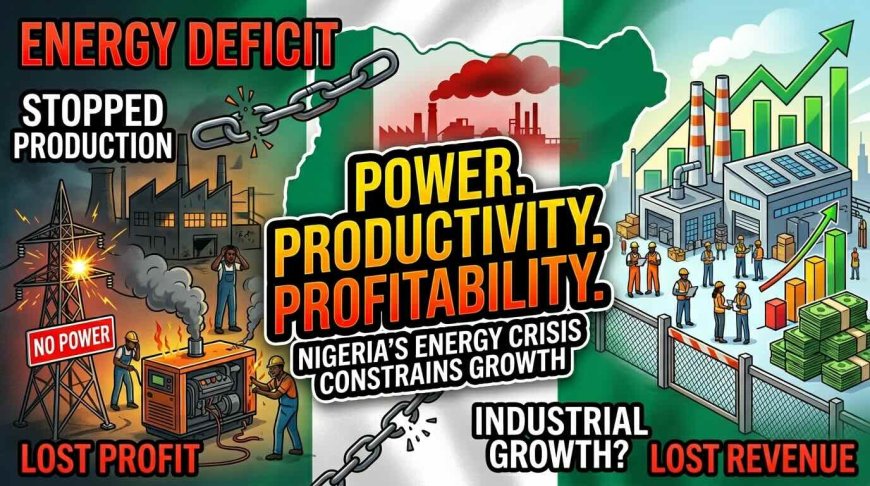

“Nigeria’s energy deficit is not just a challenge—it is a strategic lever. Businesses that proactively manage and optimize power can turn constraint into profitability, operational stability, and industrial growth.”


By Dr Ohio O. Ojeagbase
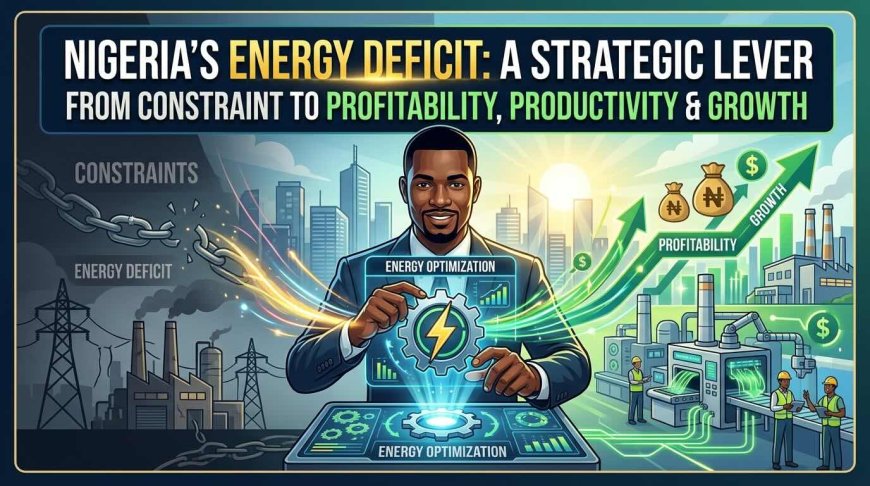
Power in Nigeria does not reach most homes or companies. Generation stays weak when measured against how many people live there and what the economy needs. Only a fraction of possible output gets through - broken grids, clogged systems, and missing fuel block delivery. Most citizens go without steady electricity, while countless firms struggle to keep equipment running on shaky connections. Frequent power output across Nigeria hits just 4,000 to 5,000 megawatts - serving over 230 million citizens - with supply lagging behind what factories and businesses require. Because of this gap, daily operations slow down, dragging down progress in the economy.
Flickering power shakes how companies run, no mystery there. When lights cut out often, Nigerian businesses turn to diesel machines or mix-and-match setups just to keep going. One in four firms tells the World Bank this issue blocks their progress clearly. Interruptions pile up - more than thirty each month - forcing delays, shrinking work time, lowering income. Some days bring multiple blackouts without warning
What stands out most is how shaky and scarce electric power really is. Even though equipment exists to produce more, actual output falls way behind because of broken systems and poor oversight. Thermal stations run low on fuel since gas availability keeps dropping - often below fifty percent of what they need. This shortage drags down the entire network, forcing operators to cut service just to keep basic flow going.These conditions have direct economic effects. Nigerian industries face higher production costs, frequent downtime, and lower output compared with firms in countries with stable electricity systems. The following sections explain how this dynamic unfolds and what it means for competitiveness.
Industrial Growth
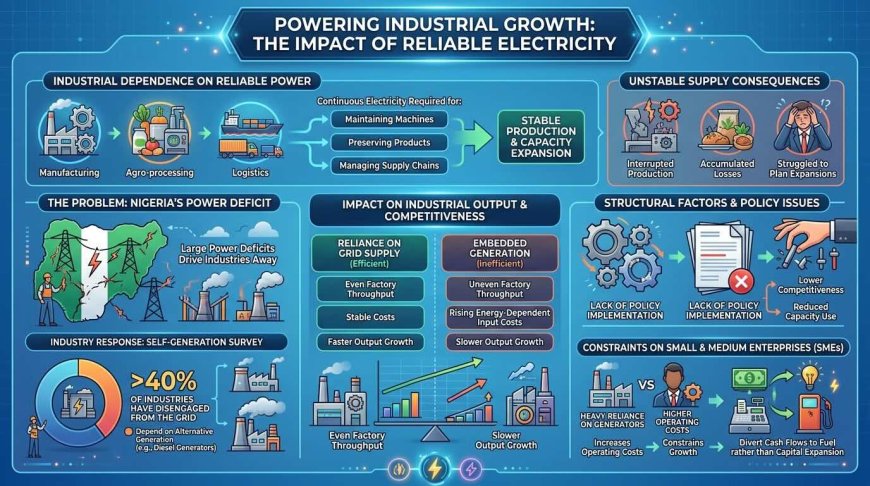
Power that works every day keeps factories running. Machines hum only when current flows without breaks, especially in making goods, handling crops, or moving supplies. Without steady voltage, output halts mid-cycle, money slips away slowly, future plans freeze unexpectedly. A single blackout can destroy weeks of progress across workshops and warehouses alike.
Not every factory there sticks to the main electricity network. Across key regions, more than four out of ten manufacturers now run their own power because public service fails too often. Running private systems means higher expenses pile up slowly. Without steady current from outside, daily output tends to stumble now and then
Frequent blackouts leave factories sputtering, their production lines hiccuping without warning. Where machines run only when electricity flows, delays pile up like uncollected freight. Some plants turn to private generators just to keep pace, burning fuel at higher cost to avoid standstills. Output dips not because demand falls, but because voltage does. While nations with steady currents pull ahead, others lag behind, weighed down by flickering grids. Growth dims where lights go out too often.
A closer look at how factories in Nigeria use power reveals problems tied to deep-rooted industry flaws, along with weak follow-through on policies meant to boost energy savings and modern equipment upgrades. Wasting energy then drags down factory output, making operations slower, less effective.
Not just big firms feel the pinch - smaller operations face it too. Studies point out how leaning hard on backup power pushes up daily spending, slows down scaling efforts, yet eats into funds that could boost new ideas since income gets rerouted to constant fuel buys instead of long-term upgrades.
Embedded Power Generation
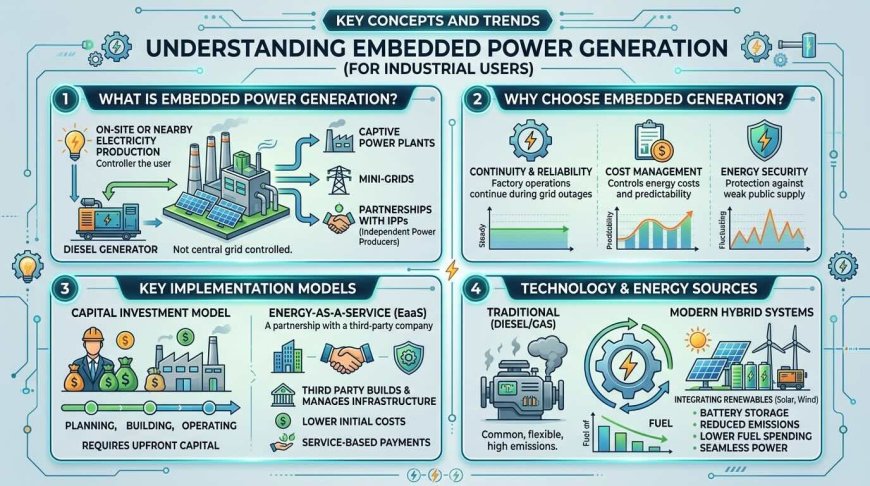
Power generation that operates close to where it is used defines embedded systems, managed directly by the user instead of a centralized network. Industrial operations typically rely on dedicated facilities, localized grids, or arrangements with private energy suppliers. Steady operation becomes more achievable through such setups, offering control over pricing and consistent supply performance.
In practice, businesses that use embedded generation avoid some of the unpredictability of grid outages. When grid supply collapses or fluctuates, firms with their own generation maintain operations. This approach is a response to weak public supply, but it requires capital investment or access to service providers offering Energy-as-a-Service models, where third parties build and manage power infrastructure for the business.
Embedded generation solutions vary by energy source. Running on diesel or gas stays normal. Still, rising prices along with pollution worries drive companies toward mixing sunlight-powered setups into their current machines. These mixed methods store extra juice in batteries, keeping electricity flowing without pause while slowly cutting down how much fuel they need.
Energy Strategy
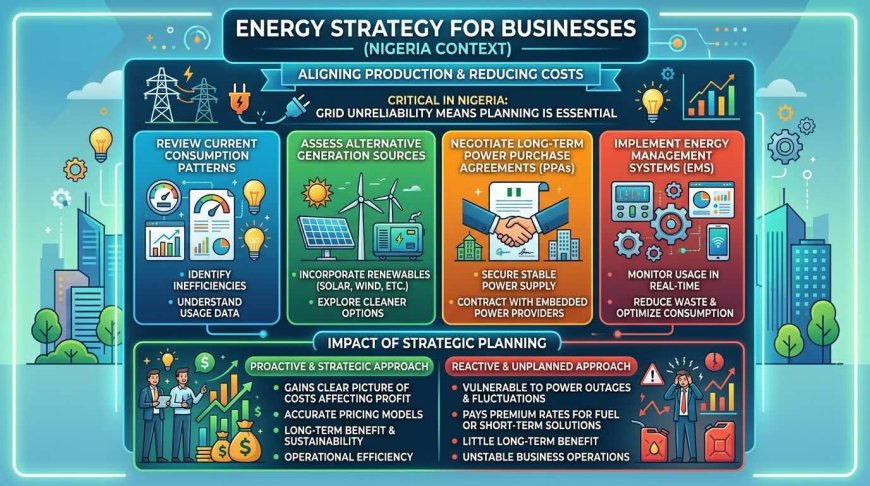
Energy strategy for a business means planning and managing electricity in ways that align with production goals and cost control. In Nigeria, strategy has become critical because the grid alone cannot supply continuous power.
A comprehensive energy strategy includes:
- Reviewing current energy consumption patterns to find inefficiencies.
- Assessing alternative generation sources, including renewables.
- Negotiating long-term power purchase agreements with embedded power providers.
- Implementing energy management systems to monitor usage and reduce waste.
Companies that incorporate energy management into their broader operational planning gain a clearer picture of how costs affect profit margins and pricing models. Without such strategic planning, businesses remain reactive to outages and fluctuations, often paying premium rates for fuel or short-term solutions with little long-term benefit.
Operational Efficiency
Operational efficiency refers to the ratio of useful output to total input cost. Firms with reliable power tend to have smoother production lines, predictable maintenance cycles, and lower emergency expenses. Unreliable power disrupts these practices by forcing production stoppages, increasing equipment wear, and causing delays.
In Nigeria, shortfalls in operational reliability have systemic effects. Many industries experience higher equipment failure rates due to repeated start-stop cycles when power is lost and restored. Downtime adds unplanned costs and erodes competitive advantages.
The diagram below compares typical operational conditions for Nigerian firms dependent on the national grid versus those using embedded generation solutions: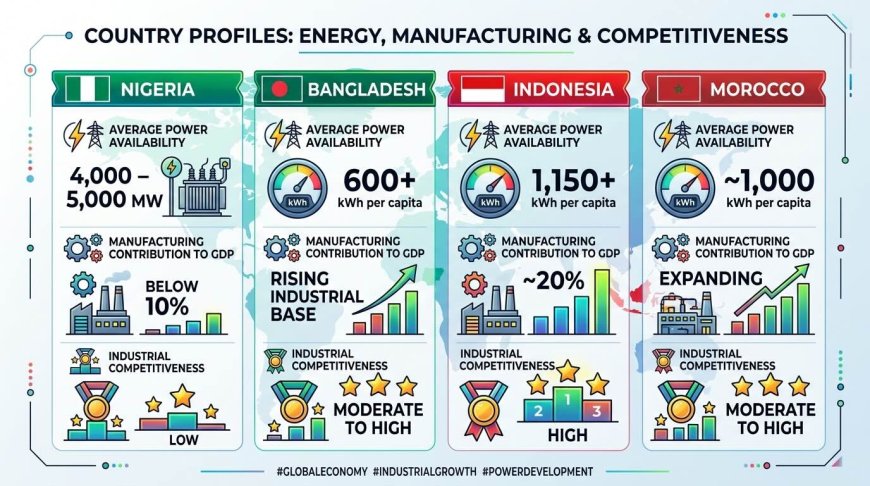
Effect on Country's Global Standing
Frequent blackouts hold back industrial growth where steady current drives it forward. Because machines run without interruption, factories elsewhere spend less and deliver on time. When supply falters, confidence drops among firms weighing long-term commitments. Nations that maintain strong grids pull ahead in global markets - Nigeria trails due to unstable generation. Predictability shapes decisions; absence of it reshapes economies differently.
Firms often pass on extra expenses caused by unstable electricity, raising prices as they account for fuel used in backup generators. Higher production charges mean Nigerian exports risk losing ground against nations where energy is cheaper and more dependable.
Frequent blackouts chip away at overall economic performance, according to modeling studies. Billions vanish each year for Nigerian firms when lights go out too often, data from the World Bank suggests. To match its factory capacity with worldwide market shifts, steady upgrades in energy infrastructure quietly become necessary.
Governance and Reform
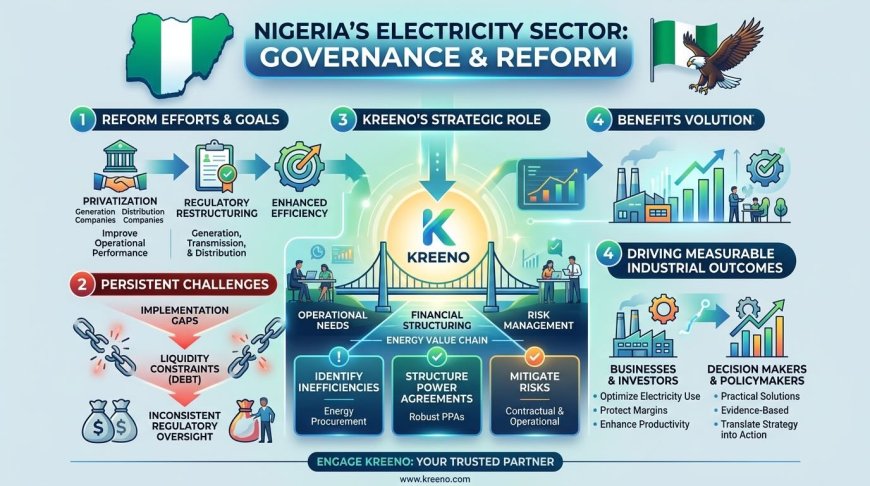
The Nigerian electricity sector has undergone reform efforts including privatization and regulatory restructuring to enhance efficiency and governance. These reforms aim to improve operational performance in generation, transmission, and distribution. However, challenges persist due to gaps in implementation, liquidity constraints, and inconsistent regulatory oversight.
KREENO plays a strategic role across Nigeria’s energy value chain, bridging operational needs, financial structuring, and risk management. The firm helps businesses identify inefficiencies in energy procurement, structure robust power agreements, and mitigate both contractual and operational risks. By providing advisory services that align energy strategy with industrial objectives, KREENO enables decision makers, investors, and policymakers to optimize electricity use, protect margins, and enhance productivity. Businesses and regulators seeking practical, evidence-based solutions to Nigeria’s energy challenges can engage KREENO as a trusted partner to translate strategy into measurable industrial outcomes.

Actionable Recommendations for Decision Makers
Nigeria’s industrial growth depends on decisive action to fix power sector challenges. Reliable electricity will attract investment and improve business performance, while weak supply forces companies to generate their own power without scale or efficiency. Structured funding and integrated energy solutions can address this gap.
Renewable energy, especially solar with storage, offers a practical and sustainable alternative if supported by consistent policies and incentives. Tariff reform is also necessary so utilities can cover costs and invest in infrastructure, supported by clear and stable regulation to build investor confidence. Capacity building is critical, as many operators lack the skills and tools for efficient energy use. Training and monitoring systems can reduce waste and improve productivity. With consistent implementation, industries will experience fewer disruptions, smoother operations, and stronger financial stability.
Conclusion
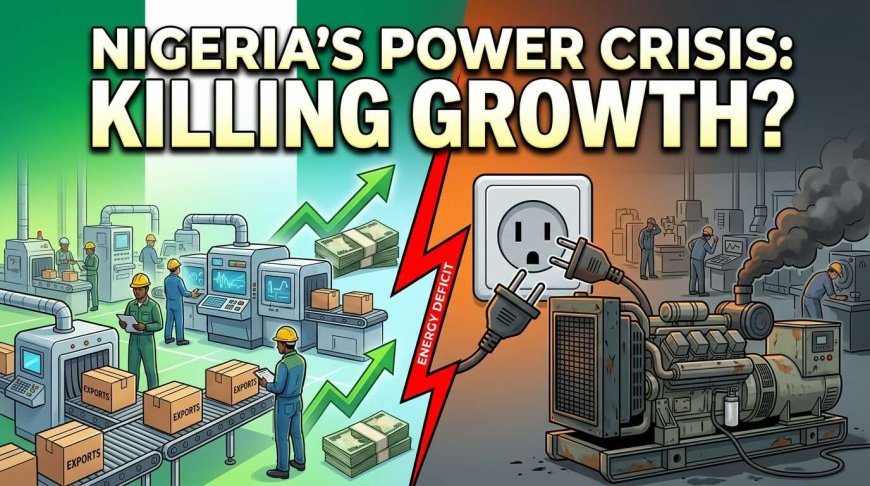
Power cuts keep hitting Nigeria’s factories, disrupting daily work. Because of this, companies spend more just to stay open. Many now run on expensive generators instead. A smarter move would be handling energy like a planned resource, not a crisis. When electricity flows steadily, plants can run longer hours. More running time means more goods made. This change wouldn’t only help cities like Lagos. It could boost trading links across West Africa too. Better supply needs stronger grids and cleaner sources. Rules must tighten around who controls power delivery. Matching energy flow to factory needs makes everything run easier. Profits grow when outages fade. Growth becomes steadier even with hurdles still present.

Contact: report@probitasreport.com
Stay informed and ahead of the curve! Follow The Probitas Report on WhatsApp for real-time updates, breaking news, and exclusive content especially on integrity in business and financial fraud reporting. Don’t miss any headlines, connect with us on social media @probitasreport and visit www.probitasreport.com WhatsApp Only: +234 902 148 8737
[©2026 ProbitasReport - All Rights Reserved. Reproduction or redistribution requires explicit permission.]
What's Your Reaction?