









































































The Verified History of the Ora People and Their Royal Relationship with the Oba of Benin
Explore the verified history of the Ora people of Edo State, their ancestral connection to Oba Ozolua of Benin, the exile of Prince Okpame, and the cultural tradition behind their modified obeisance to the Oba of Benin.
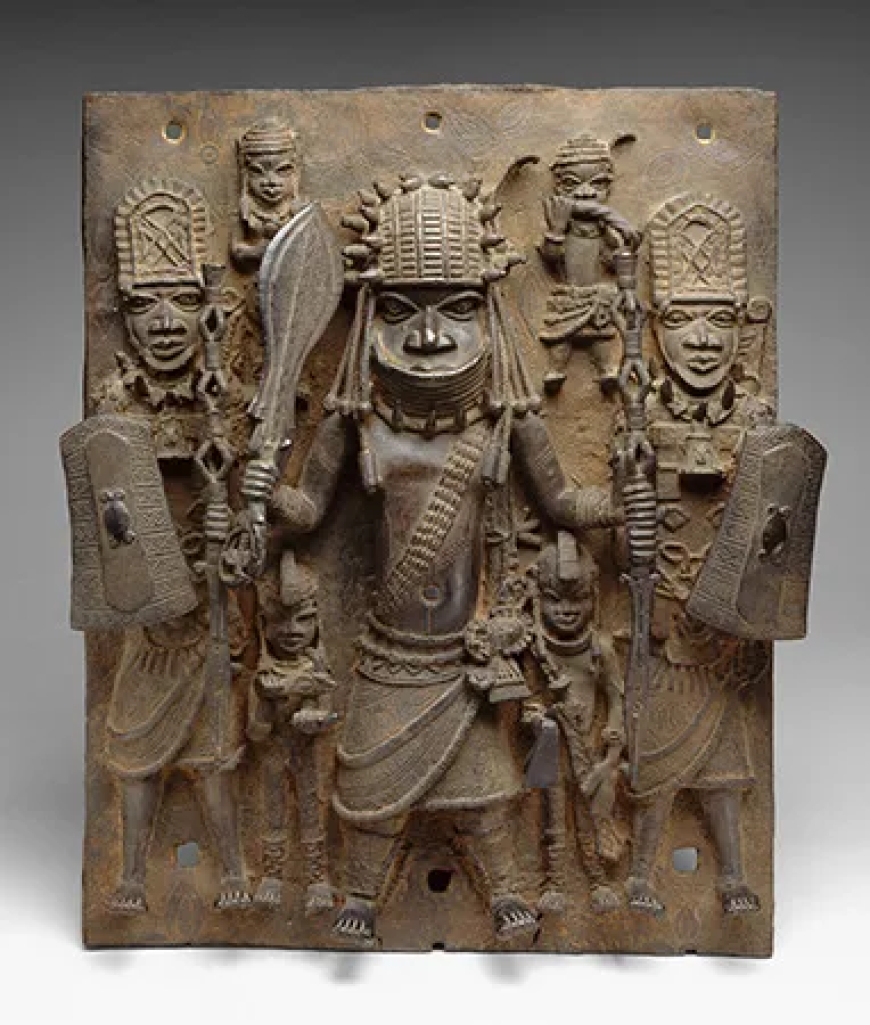

The Ora people inhabit Owan West and East Local Government Areas in Edo State, Nigeria, forming 11 communities (e.g., Ora, Ifuekun, Igonebu, Emai). They speak a dialect of Edo (Owan/Ora) and trace origins to Benin migrations starting c. 1320-1473 during Oba Ewuare the Great's reign (1440-1473). Their traditions emphasize Benin kinship while asserting autonomy, including a custom of not fully prostrating to the Oba - often described as "kneeling but not bowing low" or "senior brother" respect.


Confirmed Historical Lineage: Prince Okpame and Oba Ozolua
Ora oral histories and Edo chronicles (e.g., Jacob Egharevba's A Short History of Benin, Edoworld) confirm Prince Okpame (Uguan) as a son of Oba Ewuare. Around 1473, palace intrigue led to his banishment north to Uokha (near present Ora). There, he lived as a farmer/hunter, married locally, and founded settlements including Ora, Ozalla, and Uzebba.
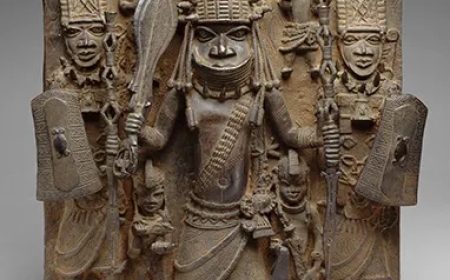
After an interregnum following Oba Olua's death (c. 1480), Benin elders recalled Okpame. He returned, ascended as Oba Ozolua (r. 1481-1504/7), and expanded Benin through conquests to Idanre, Ukwuani, and Owo. Ozolua left kin in Ora, earning them the title Ivbi-Ozolua ("Children of Ozolua"). One account names Oguan (his son/nephew) or Erhanrin-Ekpen (Ora-Ekpen) as staying behind, born c. 1463-1480s.
Ora communities view themselves as Benin royals by blood. Most Owan towns claim similar migrations from Eweka I (1200s) onward, but Ora ties directly to Ozolua.
The Custom: No Full Prostration - Roots in Royal Seniority
Ora do not perform full prostration (iduai) to the Oba, unlike core Benin subjects. They kneel or stand with hands on chest, symbolizing "elder brothers" or princes. This stems from:
-
Direct Descent from Ozolua: As "children of a former Oba," they claim equality. Benin protocol reserves full prostration for commoners; princes show modified respect.
-
Migration Autonomy: Ora developed independently post-exile. They pay homage (gifts during Oba festivals) but retain local kings (Okaegbe). No subjugation oath exists.
-
Cultural Affirmation: Elders cite Ozolua's legacy. During Oba Ewuare II's 2016 coronation visits, Ora representatives knelt without prostrating, unchallenged-
No palace decree bans bowing; it's Ora self-assertion. Benin Palace views Ora as kin, not rebels. Oba Ewuare II promotes unity across Edo subgroups.
Table: Ora Customs vs. Standard Benin Protocol
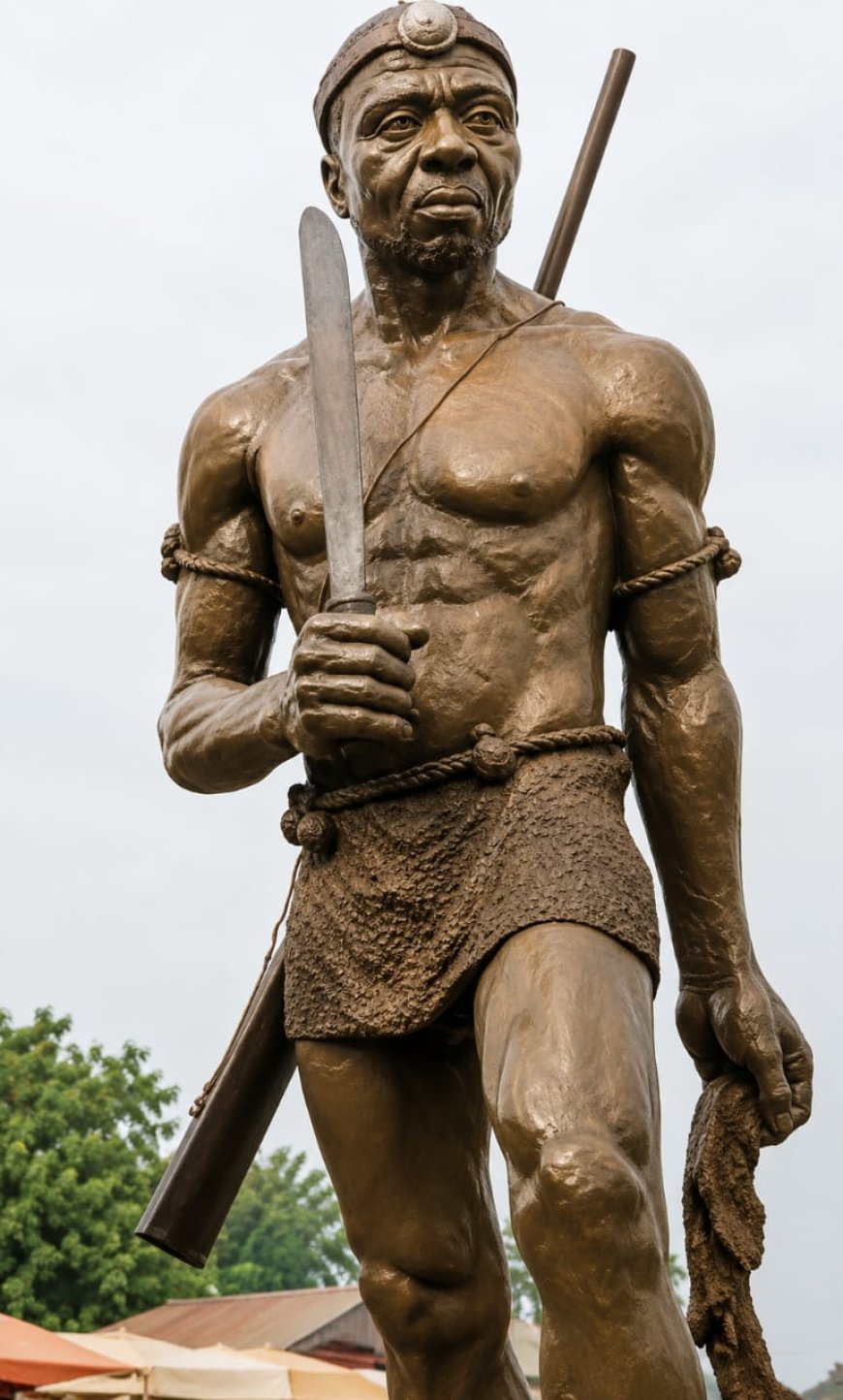
Prince Okpame (Uguan)
True Story: Migration, Exile, and Enduring Kinship
Ora's verified origin: Benin migrants fled palace strife under Ewuare (c. 1473). Prince Okpame sought refuge in Uokha/Ora area, founded villages, and fathered lines there (e.g., Ora-Ekpen/Erhanrin-Ekpen). Recalled as Ozolua, he left descendants as stewards. They built autonomous communities while honoring Benin roots, paying tribute but never fully submitting as subjects.
This created royal equality: Ora as "elder siblings" to Benin throne. The folklore of burial disputes embellishes this but lacks records. Today, Ora thrive as farmers, traders, and professionals in Owan, blending Benin heritage with independence. Population ~100,000; economy: agriculture, quarrying.
Key Evidence Sources:
-
Egharevba (1934): Okpame exile/return.
-
Edoworld.net: Ozolua's Ora links.
-
Owan Association: Ivbi-Ozolua title.
-
Academic: Precolonial migrations c.1320-1473.
The "no-bow" custom endures as cultural pride, not defiance—rooted in confirmed princely descent from Ozolua.
What Chronicles Say About His Pre-Royal Life
Egharevba (1934): "Okpame, banished for palace offense, lived as hunter among Ora people until recalled."
Edoworld.net: "From Uokha, Okpame founded Oraekpen lineage; returned as warrior-king."
Wikipedia: "Youngest son exiled during succession struggles; named Oba after 3-year interregnum."
No Formal Titles: Unlike brothers, Okpame held no dukedom (e.g., Edako, Eroh) or military command pre-exile. His 8-year Ora period defined him as self-made leader rather than palace prince.
Legacy of the Exile Period
Okpame's Ora foundation created enduring links:
-
Ora-Ekpen: Son born in exile; ancestor of 6 Ora clans
-
Ivbi-Ozolua: Ora as "Oba's children" with modified obeisance
-
Military debt: Ora warriors helped Ozolua's restoration
The exile transformed Okpame from marginalized prince to legendary conqueror. His Ora years proved leadership beyond palace privilege.
Key Fact: Okpame exercised no official role in Benin 1473-1481. He was de facto chief of Ora settlements—hunter, farmer, organizer—before becoming Africa's most expansionist Oba.

MORE READ:
- Lagos International Financial Centre: Nigeria’s New Economic Blueprint
- How Corporate Governance Drives the Survival and Growth of Emerging Enterprises
- Why Strong Corporate Governance Is the Secret to African Business Survival
- Digital Governance in Nigeria, Why Corporate Boards Must Treat AI, Cybersecurity and Data Ethics as Fiduciary Duties
Contact: report@probitasreport.com
Stay informed and ahead of the curve! Follow The Probitas Report on WhatsApp for real-time updates, breaking news, and exclusive content especially on integrity in business and financial fraud reporting. Don’t miss any headlines, connect with us on social media @probitasreport and visit www.probitasreport.com WhatsApp Only: +234 902 148 8737
[©2026 ProbitasReport - All Rights Reserved. Reproduction or redistribution requires explicit permission.]
What's Your Reaction?