










































































Digital Governance in Nigeria, Why Corporate Boards Must Treat AI, Cybersecurity and Data Ethics as Fiduciary Duties
Digital governance in Nigeria now demands board-level accountability. Learn why directors must treat AI oversight, cybersecurity risk, and data ethics as core fiduciary duties to protect enterprise value, ensure regulatory compliance, and strengthen corporate governance.


By Dr Ohio O. Ojeagbase


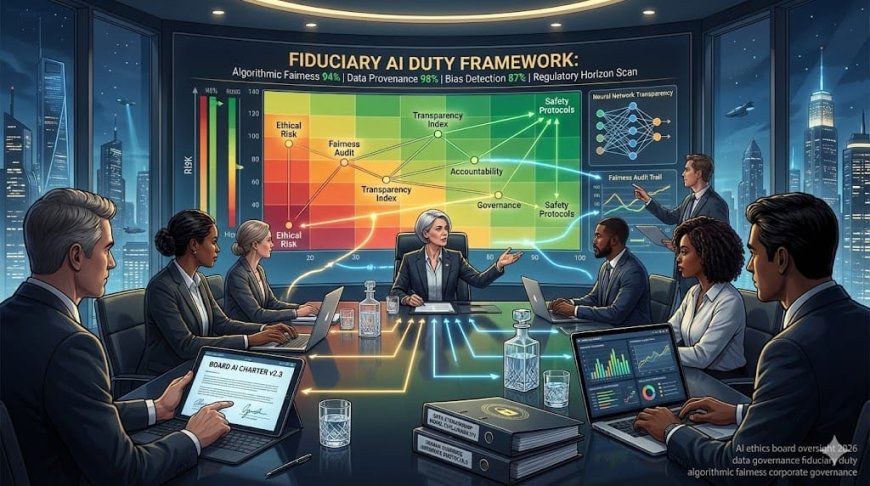
Digital governance represents a modern component of fiduciary duty for Nigerian board directors today. Your strategic choices rely on data sets and complex network structures. You fail your duty of care when you overlook artificial intelligence and security risks. You risk loyalty to shareholders by neglecting data ethics or ignoring cyber threats right now.
Corporate duties in Nigeria once focused on financial statements and legal compliance. Managers prioritized CAMA rules and Nigerian Code of Corporate Governance standards for steady profit growth. Now these pillars depend on digital systems for every operation. One security breach destroys corporate value and trust within hours. Flawed algorithmic systems spark regulatory fines and community outrage. Poor data management breaks ties with international investors and business partners. This topic belongs in the boardroom instead of technical support offices.
Recent statistics demonstrate significant financial damage from these risks. Cyber losses within Nigerian financial systems increased from small billions to hundreds of billions recently. Banks recorded 53.4 billion naira in losses during the first nine months of 2024. This shows a 468 percent jump compared to previous annual periods. Nigerian firms battle thousands of digital attacks every week now. These figures represent consistent threats rather than random events.
MORE NEWS:
- President Bola Tinubu Orders Direct Oil Revenue Remittance to Federation Account. What It Means for Nigeria’s Economy and Businesses
- AfCFTA at a Crossroads, Renewed United States and Africa Trade Partnership in a Changing Global Economy
- The Gavel of Uncertainty: How a Broken Judiciary Drives Billions from Nigeria's Economy
- The Currency of Trust in Lagos Markets | Integrity & Business Ethics in Nigeria
Table 1: Cyber losses and attacks
|
Indicator |
2017 |
2019 |
2021 |
2023 |
2024 (latest) |
|
Estimated cyber attack losses, Nigerian financial institutions (₦ billions) |
2.37 |
230.8 |
193.5 |
about 300.0 |
53.4 in banks, first 9 months 2024 |
|
Change in losses |
NA |
sharp rise |
continued increase |
continued increase |
468 percent increase vs same period 2023 |
|
Average weekly cyber attacks on Nigerian organisations |
NA |
NA |
NA |
NA |
about 2,560 to 3,759 per week |
You also face a second shift. AI use is spreading across banking, fintech, telecoms, and consumer businesses. AI drives credit decisions, fraud checks, HR filters, pricing engines, and customer analytics. These models affect livelihoods, privacy, and inclusion. If you treat AI as a vendor black box, you carry hidden risk. Biased credit models can lock people out of finance. Screening tools can silently discriminate. Poor data controls can lead to unethical reuse of customer information.
Studies show Nigeria integrates artificial intelligence within electronic government portals and medical sectors plus defense networks despite minimal regulation. Current data on local management trends reveals expanded economic automation. Public organizations still miss formal playbooks or specialized expertise within high levels. Implementation speeds past legal frameworks leaving your digital systems vulnerable today.
Table 2: AI adoption and governance
|
Dimension |
Current position in Nigeria |
|
AI in public service |
Early stage, targeted projects in e government, health, and security |
|
AI in wider economy |
Expanding in banks, fintechs, and startups, constrained by skills and infrastructure |
|
Formal AI governance frameworks |
Weak or absent in many organisations, often informal |
|
Board level AI literacy |
Uneven, usually no explicit AI oversight model |
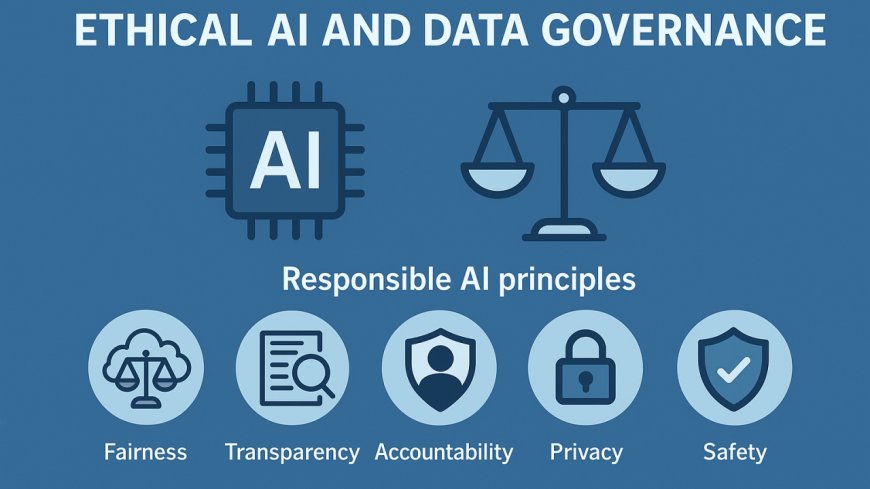
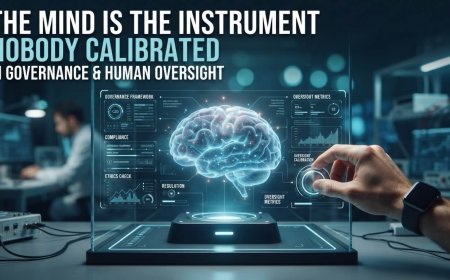
Boards should start by creating solid structures for overseeing modern technology. Include clear rules for automated systems in your organizational rules and group duties. Ensure your team maintains a full list of all active projects. You should sort these items based on their impact from minimal to high danger levels. Complex tools used for making loans or screening job applicants require deep reviews and regular checks to prevent harm.
Your job does not involve writing computer programs but instead requires setting firm values for the company. Focus on being fair and being open about how tools work. Demand that humans keep control over machines at all times. Use these standards when you build your own software or buy products from outside vendors. Ask for frequent updates on how well models perform and if any errors occur during operations.
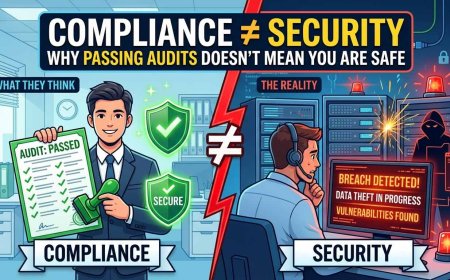
Managing online safety serves as your next major duty. Local businesses deal with phishing and data theft daily. Remote work setups have widened your exposure to these digital threats. Any major security failure depends on time. Regard digital threats as a primary part of company survival instead of a small technical detail for your lead technology officer.
Demand the same high quality of planning for digital safety as you do for money management. This work requires a documented plan plus clear roles for your top executives. Practice your reaction to attacks and secure the right coverage. Do not tolerate vague presentations with technical slang from your team members. Request straight talk regarding the biggest risks your organization faces right now.
- l What are our most critical systems and assets
- l Who is attacking us and how often
- l When did we last run an independent penetration test
- l How fast do we detect and contain incidents
- l How do we train staff against social engineering
- l What did we learn from recent incidents in our sector
To see the imbalance in attention, compare traditional risk focus and digital risk focus.
MORE NEWS:
- If You Are Not at the Table, You Are on the Menu, Africa’s Strategic Imperative in the Global Order
- Corporate Governance as a Macroprudential Anchor: Protecting Assembly of Nigeria into the Global Value Chains amid Economic Reforms of 2026
- Navigating Modern Debt Collection in Nigeria: Ethical Recovery and Financial Integrity by Dr. Ohio O. Ojeagbase
Table 3: Traditional vs digital risks in board agendas
|
Risk type |
Historical board focus |
Current exposure |
Governance gap |
|
Credit risk |
Very high |
High |
Mature frameworks and regular reviews |
|
Liquidity risk |
High |
Medium to high |
Established oversight |
|
Operational risk |
Medium |
High |
Partially integrated |
|
Cybersecurity risk |
Low to medium |
Very high, given losses and attack volumes |
Often under reported or left to IT |
|
AI and algorithmic risk |
Very low |
Rising in credit, HR, pricing |
Limited explicit oversight |
|
Data privacy and digital ESG |
Low |
Rising due to regulation and investor pressure |
Fragmented approach |
Digital responsibility and information management form the final stage of this framework. Authorities and shareholders require detailed environmental reports from your firm. Local businesses frequently publish findings regarding ecological and community projects. Excluding online dangers leaves your performance record unfinished and insufficient. Unfair processing of private records or predatory loan tactics or hidden software choices or consumer deception will destroy confidence. These actions reduce financial worth over many years. Institutional oversight in Nigeria classifies electronic security and information rights under corporate management and civic duties. Asset managers track your safety protocols and emergency plans and tech vulnerabilities. Management boards display security measurements alongside carbon footprints or outreach efforts in annual disclosures to aid growth. Focus on quality.
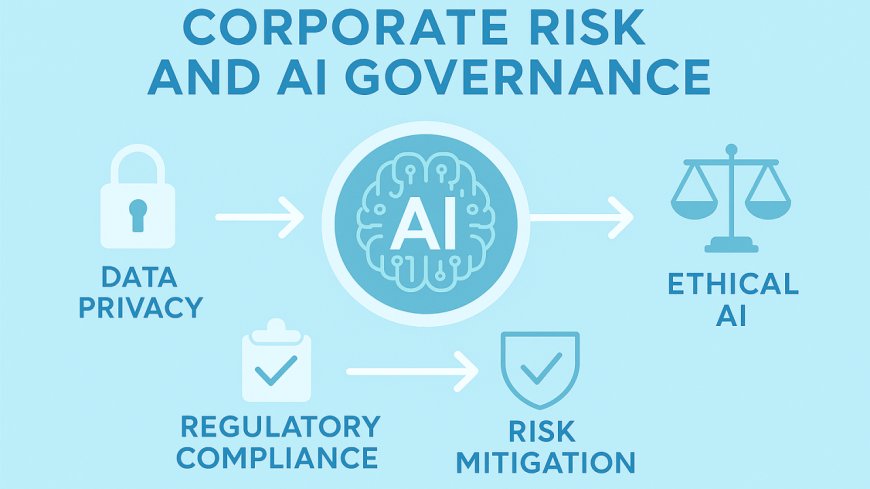
Table 4: ESG and digital governance
|
ESG area |
Traditional focus |
Emerging digital element |
|
Environmental |
Emissions, energy, waste, compliance |
Energy use of data centres and infrastructure |
|
Social |
Community support, labour practices, inclusion |
Privacy, digital inclusion, fair and transparent digital products |
|
Governance |
Board composition, internal controls, compliance, audits |
Cyber oversight, AI ethics, data governance frameworks |
Your board should mandate a clear data governance framework. This framework should cover collection, consent, storage, access, sharing, and deletion. You should know who owns each data set, who can use it, and for which purposes. You should also seek assurance on compliance with local and global data protection rules.
Digital ethics should show up in product design. Ask direct questions.
- l Are fees and terms clearly disclosed in digital channels
- l Are algorithms used in pricing and recommendations regularly reviewed for unfair outcomes
- l Are vulnerable users protected against exploitative product features and dark patterns
If you integrate digital ethics into ESG, you strengthen your claim to protect current and future stakeholders in a data driven economy.
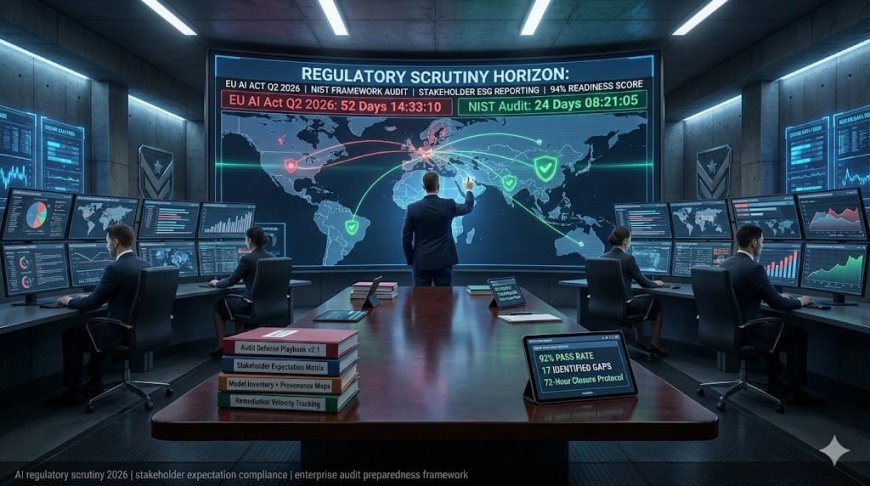
Structural transitions demand modified frameworks alongside prepared individuals. Embed explicit requirements regarding tech management plus algorithmic monitoring inside board governing documents plus committee rules. Threat panels ought to address network safety plus machine intelligence dangers throughout regular sessions. Monitoring groups should look past basic fiscal checks to evaluate information quality plus entry security plus algorithm hazards during oversight activities. Planning panels should investigate methods where tech assists or endangers commercial frameworks. Organize specialized electronic teams when firm size justifies such focus since ultimate accountability rests with every primary member.
Board composition also needs attention. At least one or two directors should bring strong experience in digital, technology, or cybersecurity. They should be able to engage management on strategy and risk, not sit as token experts. Existing directors should go through ongoing education on digital governance, AI, and cyber. Fiduciary duty in this era includes the duty to stay informed.
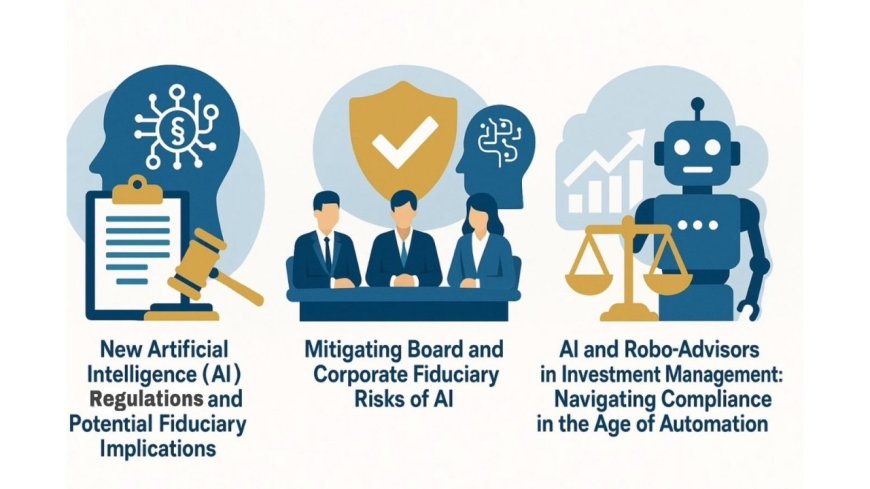
You should reframe the board management relationship on digital matters as a structured partnership. Management should prepare a digital governance roadmap and report against it. Reports should cover AI uses, cyber incidents and near misses, data protection status, and digital transformation progress. Where risk is high or skill gaps exist, you should seek independent assurance from external experts.
Lessons from incidents, internal or external, should lead to visible changes in policy, process, and investment priorities. You should expect to see this learning loop documented.
This central idea stands clear. Within Nigerian electronic markets company worth depends upon items beyond material tools or bank papers. Your firm relies upon accurate records logic functions plus sturdy systems. Every board leader protects these critical components to ensure long term business success. Boards that ignore digital governance raise the chance of avoidable harm and loss of confidence. Boards that bring AI, cybersecurity, and data ethics into the centre of governance give their organisations a better chance of sustainable, credible growth in Africa’s digital future.

Contact: report@probitasreport.com
Stay informed and ahead of the curve! Follow The Probitas Report on WhatsApp for real-time updates, breaking news, and exclusive content—especially on integrity in business and financial fraud reporting. Don’t miss any headlines—connect with us on social media @probitasreport and visit www.probitasreport.com WhatsApp Only: +234 902 148 8737
[©2026 ProbitasReport - All Rights Reserved. Reproduction or redistribution requires explicit permission.]
What's Your Reaction?