




































































AfCFTA at a Crossroads, Renewed United States and Africa Trade Partnership in a Changing Global Economy
A strategic analysis of AfCFTA progress, U.S.-Africa trade cooperation, and policy choices shaping investment, supply chains, and economic growth across Africa in 2026.


By Ohio O. Ojeagbase


Wamkele Mene addressed the Corporate Council on Africa at the 17th U.S.-Africa Business Summit in Luanda during June 2025. He explained that the African Continental Free Trade Area serves as a main tool for regional growth. Mene argued that American involvement remains vital because of global trade changes. Eight months later his views are still relevant as experts predict a 4.0 percent economic growth for Africa this year. A brief renewal of the African Growth and Opportunity Act helps for now but long term plans are unclear under the America First policy approach.
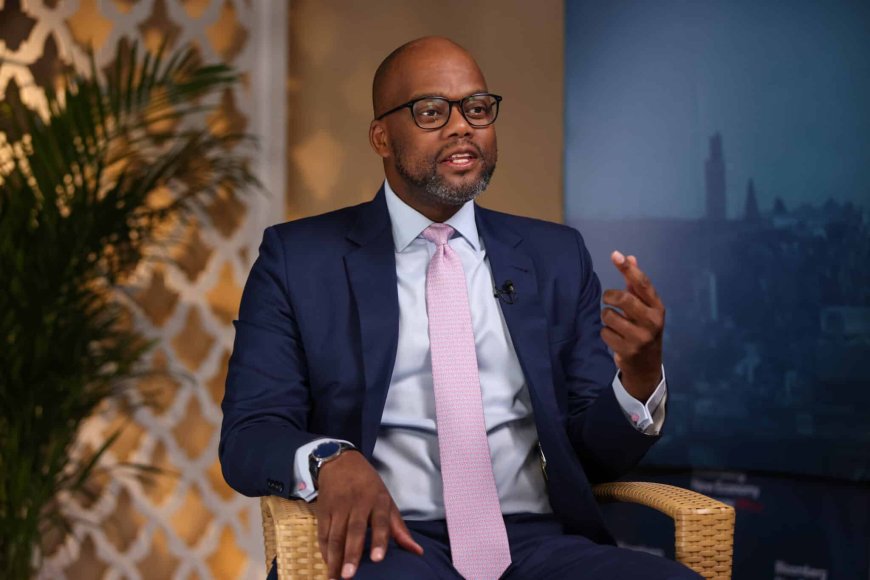
Mene praised the Corporate Council for building better connections between regions. He described the partnership with the United States as a strategic move during times of supply chain problems. Since the trade act faced a deadline in September 2025 leaders worried about losing previous progress. Mene requested a stable trade system based on fairness and mutual benefits that considers the specific development needs of African nations.
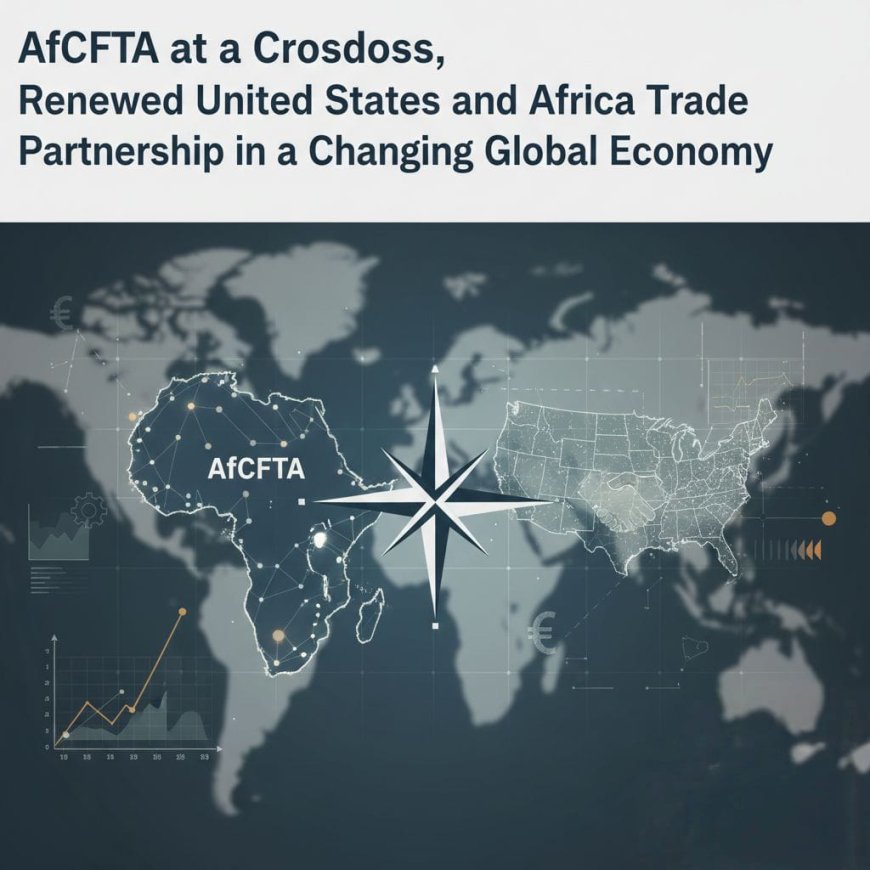
Now in its fifth year the trade area includes 49 countries and shows real advancement toward its goals (Signatories: 54 out of 55 African Union (AU) member states have signed the agreement. Eritrea remains the only AU member that has not yet signed.
The American government extended the trade act for one year starting in early 2026. This move allows for tax free exports but confirms the warnings about unpredictable policies. The current administration focuses on new tariffs and smaller aid budgets forcing African leaders to look for different types of partnerships. These leaders want private investment instead of simple aid which matches the shift toward long term projects mentioned in the Luanda summit.
Mene focused on the need for local production rather than just moving goods around. African nations must process their own resources to build industries and provide jobs for citizens. The trade area speeds up this work by connecting different production sites across borders. During 2026 various businesses used this larger market to become more efficient. American companies provide funding and new technology while Africa provides a growing market and a young group of workers. Agribusiness and digital systems offer the best chances for growth.
READ MORE:
- Non-Performing Loans Are Not Accidents. How Weak Enforcement Is Strangling Nigeria’s Productive Economy
- The rise of modern day witchcraft and the hidden influence of manipulation and selective targeting across institutions
- Meet The King Of Ethical And Professional Debt Recovery In Africa 2024 By IDRPN
- More Than Just Debt: 5 Hidden Legal and Financial Consequences of a Bounced Cheque in Nigeria by Prof. Prisca Ndu
- Navigating Modern Debt Collection in Nigeria: Ethical Recovery and Financial Integrity by Dr. Ohio O. Ojeagbase
- Nigeria Financial Security: Dr. Ohio O. Ojeagbase Leads Financial Integrity Initiatives During International Fraud Awareness Week
Clean energy and mining for minerals have become top priorities recently. The continent contains much of the solar and wind energy needed for the global move away from oil. Mene pointed out the new investment protocols and green industry plans started last year. These projects use $100 billion to create factories powered by clean energy. Meetings in 2026 continue to push this plan so Africa can lead in green manufacturing.

Sustainability projects are gaining more interest as climate issues grow more urgent. American needs for battery minerals match African goals for better production systems. Honest and fair agreements stop countries from just exporting raw materials without making any finished goods. This strategy supports building an industrial base.
The young population in Africa creates another major advantage for the region. Since most people are under 20 and the population will soon double the continent is becoming a center for new ideas. Mene advocated investments in education, skills, and digital infrastructure, especially for women and youth. Collaboration in e-commerce, cybersecurity, and data governance integrates African businesses globally.
In 2026, AfCFTA supports leapfrogging traditional systems. Venture capital infrastructure grows, connecting markets and innovation. U.S. capabilities in tech and finance complement Africa's ambition.
Mene's remarks remain timely amid U.S. policy shifts. The new administration's focus on security, minerals, and energy opens doors, despite aid cuts and tariff risks. A prosperous Africa benefits global stability, supplying diversified chains and countering influences elsewhere.
The 2025 summit generated billions in deals across energy, infrastructure, and digital sectors. Building on this, 2026 calls for clarity and mutual respect. AfCFTA provides the framework; Africa's momentum supplies opportunity. U.S.-Africa ties, rooted in shared priorities like green transitions and digital inclusion, deliver inclusive prosperity.
Mene concluded that collective efforts can write a new chapter in relations. In 2026, with AGOA extended briefly and AGII advancing, the path forward requires commitment. Africa integrates and industrializes; the U.S. finds resilient partners. This partnership, guided by fairness, transforms challenges into shared growth.

Contact: report@probitasreport.com
Stay informed and ahead of the curve! Follow The Probitas Report on WhatsApp for real-time updates, breaking news, and exclusive content—especially on integrity in business and financial fraud reporting. Don’t miss any headlines—connect with us on social media @probitasreport and visit www.probitasreport.com WhatsApp Only: +234 902 148 8737
What's Your Reaction?