



































Donald Trump's Strategy in Venezuela: Sanctions, Diplomacy, and the Fall of Nicolás Maduro
Donald Trump’s strategy toward Venezuela involved a combination of sanctions, diplomatic isolation, and support for opposition forces. Despite not launching a military invasion, his approach contributed to the eventual fall of Nicolás Maduro’s government. Explore the key elements of this strategy and its long-term impact on Venezuela’s political and economic landscape.


"Donald Trump’s approach to Venezuela has changed significantly now that Nicolás Maduro has been removed from power, but the roots of today’s situation go back to the confrontation during Trump’s earlier term in office.


Trump did not launch a full‑scale military invasion of Venezuela in the classic sense. Instead, his strategy combined economic pressure, diplomatic isolation, and support for opposition actors, and in his second term this approach ultimately contributed to the fall of Maduro’s government. What has changed is not that U.S. tanks rolled into Caracas, but that a long campaign of sanctions, diplomatic maneuvering, and internal Venezuelan dynamics finally converged to end Maduro’s rule.
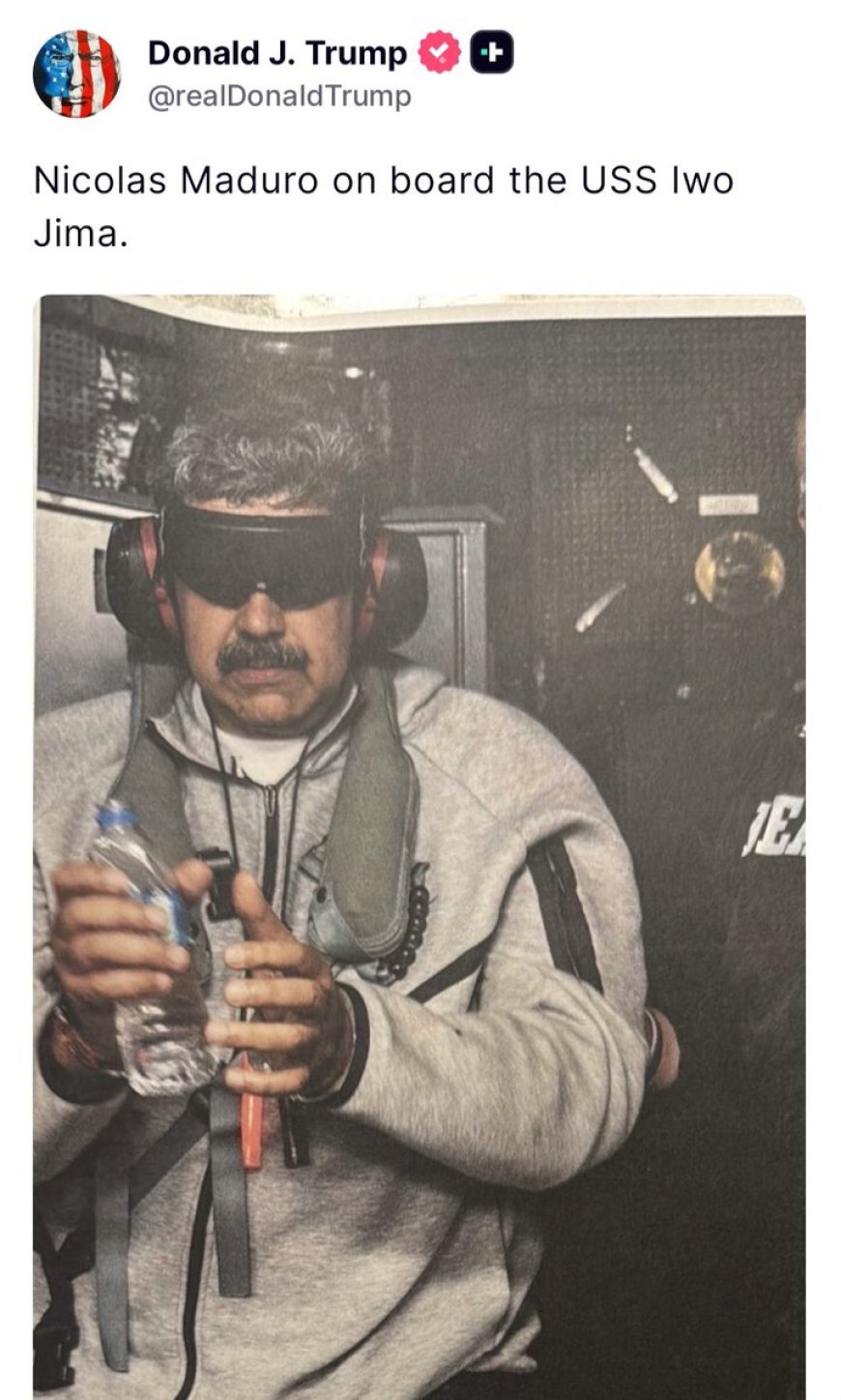
Donald Trump never ordered a large‑scale military invasion of Venezuela, but throughout his presidencies the relationship between the United States and the government of Nicolás Maduro was marked by intense confrontation. The tension did not appear suddenly; it grew out of Venezuela’s economic collapse, allegations of authoritarianism, and a wider geopolitical struggle over influence in Latin America.
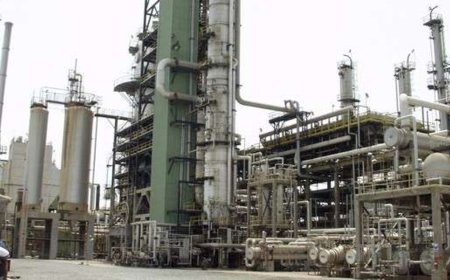
Venezuela is an oil‑rich country that once had one of the highest living standards in the region. Over time, especially under Maduro, it experienced a deep economic and social crisis: hyperinflation, shortages of food and medicine, a breakdown in public services, and mass migration. Against this backdrop, U.S. officials consistently described Maduro’s government as authoritarian and accused it of undermining democratic institutions and electoral integrity. Trump publicly framed Maduro as a threat to democracy in the Western Hemisphere and as part of an “anti‑American” bloc alongside Cuba and Nicaragua.
READ MORE:
- Non-Performing Loans Are Not Accidents. How Weak Enforcement Is Strangling Nigeria’s Productive Economy
- The rise of modern day witchcraft and the hidden influence of manipulation and selective targeting across institutions
- Meet The King Of Ethical And Professional Debt Recovery In Africa 2024 By IDRPN
- More Than Just Debt: 5 Hidden Legal and Financial Consequences of a Bounced Cheque in Nigeria by Prof. Prisca Ndu
- Navigating Modern Debt Collection in Nigeria: Ethical Recovery and Financial Integrity by Dr. Ohio O. Ojeagbase
- Nigeria Financial Security: Dr. Ohio O. Ojeagbase Leads Financial Integrity Initiatives During International Fraud Awareness Week

During his first term, the Trump administration backed Venezuelan opposition figures, most prominently Juan Guaidó, who declared himself interim president in 2019, arguing that Maduro’s re‑election lacked legitimacy. Washington and several allied governments recognised Guaidó diplomatically, even though Maduro maintained control over the state’s coercive apparatus and territory.
Rather than invading, Trump deployed a series of escalating measures:
-
Economic sanctions: The U.S. imposed broad sanctions on Venezuelan officials, state‑owned entities, and especially the oil sector. These restrictions targeted Venezuela’s ability to sell its crude oil, access foreign currency, and tap international financial markets. The stated aim was to weaken Maduro’s grip on power and force a transition.
-
Diplomatic pressure and coalition‑building: Washington worked to isolate Maduro internationally, build a coalition of governments that refused to recognise his legitimacy, and support opposition‑led efforts to negotiate political change.
-
Rhetorical and contingency military pressure: Trump and some of his advisers repeatedly stated that “all options” were on the table, including military action, and U.S. forces exercised in the wider region. However, this never translated into a formal, declared invasion of Venezuela.
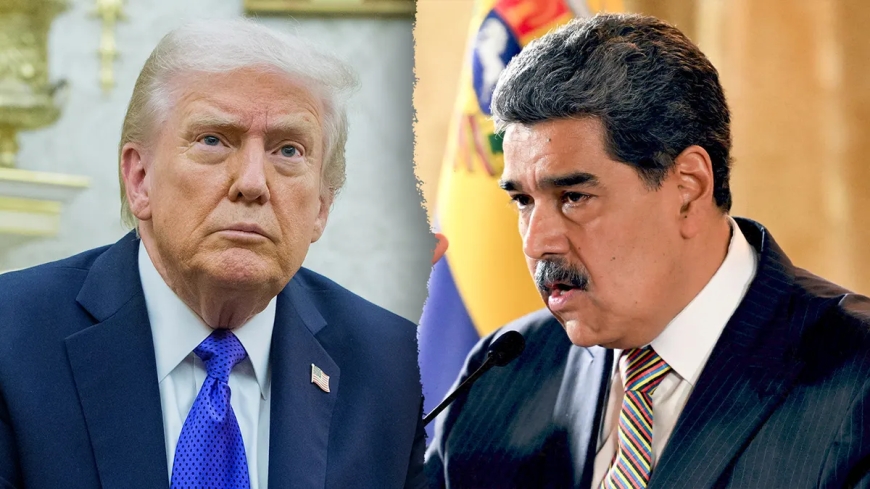
The end goal of this strategy was to destabilise and ultimately remove Maduro’s regime, reshape Venezuela’s political direction, and limit the influence of Russia, China, and other external backers in the country’s energy and security sectors. U.S. officials also saw a more market‑friendly, pro‑Western government in Caracas as beneficial for regional stability and for the broader energy landscape.
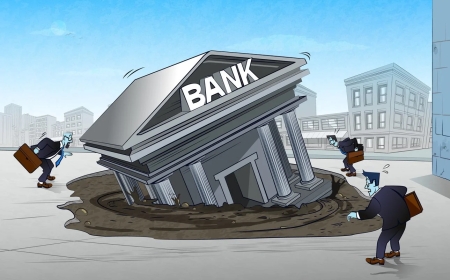
For years, these efforts did not achieve regime change. Sanctions and isolation increased pressure on the government but also contributed to hardship for ordinary Venezuelans, particularly by constraining the economy and public revenues. Critics argued that collective sanctions deepened the humanitarian crisis without delivering a clear political solution.
In Trump’s current term, however, a combination of sustained external pressure, internal economic collapse, elite defections, and shifts within Venezuela’s armed forces and political class eventually led to Maduro’s removal. This did not occur through a classic U.S. invasion but through a drawn‑out process in which:
-
Venezuela’s governing coalition fractured under economic, political, and personal pressures.
-
Opposition forces, civil society, and segments of the state apparatus converged around a transition formula.
-
U.S. and allied leverage, sanctions relief, diplomatic recognition, and security guarantees—was used to lock in a political settlement and encourage departure rather than outright military confrontation.
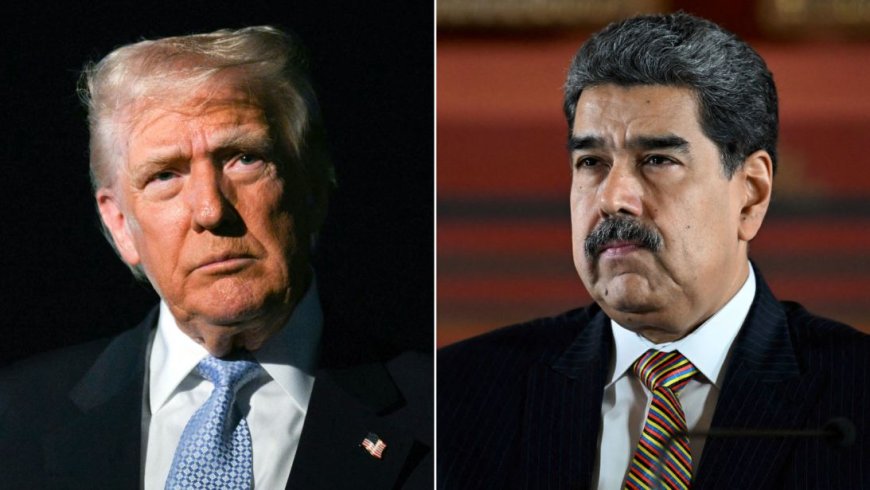
Trump’s “endgame” in Venezuela has thus effectively been realised: Maduro is no longer in power, and a new government, more open to the U.S. and international engagement, is attempting to stabilise the country and renegotiate its external economic relationships, including in the oil sector. Whether this leads to sustainable recovery and genuine democratic consolidation remains an open question, especially given the deep institutional damage left by years of crisis and the controversial legacy of external pressure.
In summary, Trump did not simply “invade” Venezuela to remove Maduro. Instead, his administrations relied on heavy economic sanctions, diplomatic isolation, and political support to Venezuelan opposition forces, combined with the country’s internal breakdown, to push the regime toward collapse. The strategy eventually succeeded in removing Maduro, but at significant social cost and with long‑term consequences for Venezuela’s institutions and for debates over the use of sanctions and external leverage in regime‑change politics.

What's Your Reaction?