























































Restoring Financial Flow: Why Debt Recovery is Economic Infrastructure, Not Aggression
Debt recovery supports credit systems, contract enforcement, and economic stability. This analysis explains why professional debt recovery functions as public financial infrastructure rather than private aggression.


Think about the last time you drove on a smooth road, flipped a light switch, or trusted that your money was safe in a bank. These aren’t just conveniences; they are the unseen pillars of a functioning society, which is our public infrastructure. We rarely celebrate the engineers who maintain these systems until they fail. Now, consider another, far less celebrated, pillar: debt recovery.


Often portrayed in media and public discourse as a form of harassment, debt recovery is fundamentally misunderstood. It is time to shift the narrative. “Effective debt recovery is not a private and aggressive act but a critical component of public economic infrastructure. It is as essential to a healthy economy as reliable courts, transparent registries, and trusted credit bureaus. Without it, the entire system of credit that fuels businesses, homes, societies, and innovation begins to crumble” says Dr Ohio O. Ojeagbase.
This research article seeks to reposition this vital function. We’ll explore how professional recovery sustains markets, enforces contracts, and protects the circulatory system of capital that benefits us all and not just the loan defaulters.

READ MORE:
- Non-Performing Loans Are Not Accidents. How Weak Enforcement Is Strangling Nigeria’s Productive Economy
- The rise of modern day witchcraft and the hidden influence of manipulation and selective targeting across institutions
- Meet The King Of Ethical And Professional Debt Recovery In Africa 2024 By IDRPN
Debt Recovery as Economic Infrastructure
At its core, economic stability relies on trust and predictability. When someone takes out a loan, a foundational contract is signed, promising repayment at an agreed future date. This contract is the bedrock of all credit markets. For these markets to function, there must be a reliable mechanism to uphold these agreements. This is where debt recovery operates not as an optional, private service, but as essential infrastructure.
Imagine a city with no traffic lights or road signs. Commerce would gridlock. Similarly, without a clear, fair, and efficient process for recovering defaulted debts, the flow of capital circulation seizes up. Lenders become paralyzed by risk, unsure if they will ever see their money again. “The research is clear: the efficiency of a country’s debt enforcement is a powerful predictor of its financial discipline and the depth of its debt markets. A seminal study that surveyed practices in 88 countries found that efficient enforcement procedures are strongly correlated with higher per capita income and more developed financial systems. This isn’t a coincidence; it’s causation.” Dr Ohio O. Ojeagbase
In advanced economies, this process runs quietly in the background that is governed by clear rules, not dramatic confrontations. It is a utility, ensuring that capital which has stalled is returned to lender’s productive use, funding the next business venture, home, or community project.

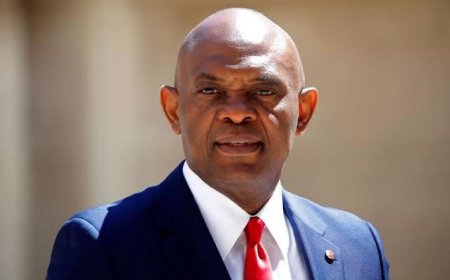
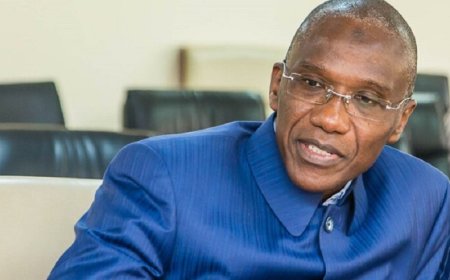
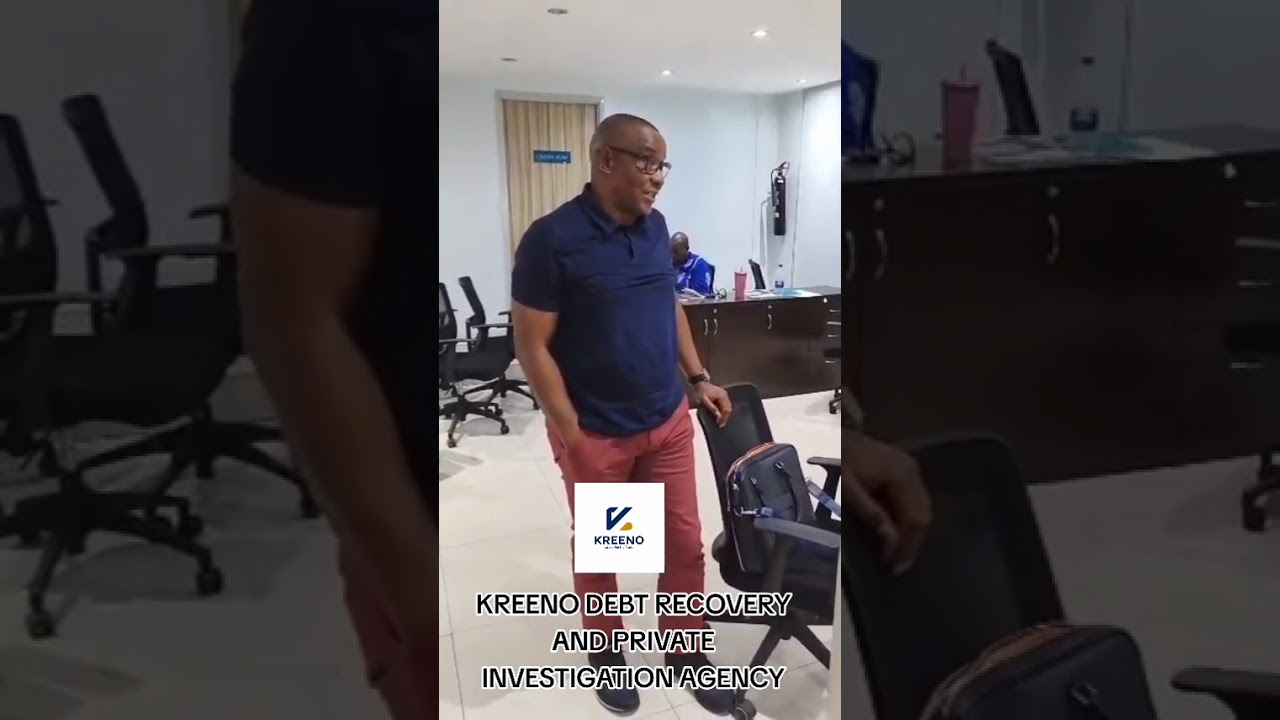
Dr Ohio O. Ojeagbase (Founder, Kreeno Debt Recovery And Private Investigation Agency)
Why Credit Systems Collapse Without Enforcement
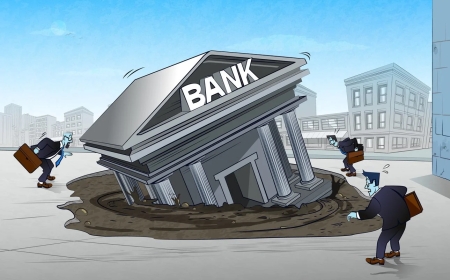
What happens when this piece of infrastructure is weak or broken? The consequences are systemic and severe. The primary role of recovery is contract enforcement. When this enforcement is perceived as unreliable, it creates a vacuum filled by moral hazard. Borrowers may begin to believe that default carries no real consequence, whilst lenders live in constant fear of non-performing loans (NPLs) piling up.
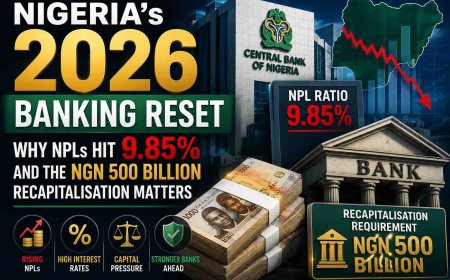
The data provides a stark warning. In Nigeria, for instance, despite banks easing credit conditions in mid-2025, loan defaults surged sharply. The default index for small businesses, which is the engine of the economy, plummeted to -7.2. This indicates that easier access to credit, without a robust recovery framework, does not translate into better repayment. Instead, it signals deepening systemic risk.
When lenders cannot reliably recover debts, they act in self-preservation. They ration credit, offer shorter loan terms, demand excessive collateral, and hike interest rates to unsustainable levels which is sometimes above 30%. This isn’t greed; it’s a rational response to a system where the fundamental promise of lending cannot be enforced. The entire market contracts, punishing responsible borrowers and starving viable businesses of the oxygen they need to grow.

Debt Recovery Versus Debt Harassment
This is the crucial distinction that must be drawn to reform the narrative. Professional recovery and debt harassment are polar opposites. One upholds the system; the other undermines it.
Professional recovery is anchored in due process, transparency, and respect for borrower rights. It follows legal frameworks, such as the Central Bank of Nigeria’s guidelines for debt recovery agents, which mandate ethical conduct and prohibit intimidation. Firms like KREENO Debt Recovery and Private Investigation Agency exemplify this model, training bank staff in lawful negotiation, risk-based strategies, and ethical restructuring. Their philosophy emphasizes restoration, treating debtors with dignity to preserve long-term relationships and voluntary compliance.
In contrast, harassment operates outside the law. It uses coercion, threats, and public shaming. This not only violates individual rights but also erodes public trust in the entire financial system. Ethical enforcement understands that most defaults are sometimes not malicious but are often the result of unforeseen hardship. The goal is to find a viable path to resolution, whether through restructuring, payment plans, or, as a last resort, orderly legal action. This disciplined approach protects the lender’s capital and the borrower’s dignity, reinforcing the rule of law rather than bypassing it.
MORE NEWS:
- More Than Just Debt: 5 Hidden Legal and Financial Consequences of a Bounced Cheque in Nigeria by Prof. Prisca Ndu
- Navigating Modern Debt Collection in Nigeria: Ethical Recovery and Financial Integrity by Dr. Ohio O. Ojeagbase
- Nigeria Financial Security: Dr. Ohio O. Ojeagbase Leads Financial Integrity Initiatives During International Fraud Awareness Week
The Public Cost of Weak Recovery Systems
The ripple effects of a failing recovery system extend far beyond bank or money lenders balance sheets, imposing a heavy public cost on the entire economy. When lenders lose confidence, the first casualty is access to affordable credit.
-
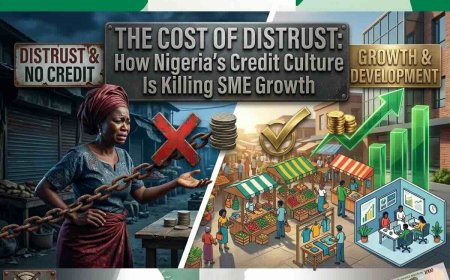
Credit Rationing & High Interest Rates: Banks tighten their belts. Loans become scarce and prohibitively expensive, particularly for small and medium-sized enterprises (SMEs). This stifles innovation, job creation, and economic growth.
-
Rise of Informal Lending: When formal credit doors slam shut, businesses and individuals turn to the shadow economy. Informal lenders often charge exorbitant, unregulated rates, trapping borrowers in cycles of debt without legal protection.
-
Capital Flight: Investors, both domestic and foreign, seek jurisdictions with predictable and enforceable rules. Weak contract enforcement signals high risk, leading to capital flight as money moves to safer havens, depriving the local economy of vital investment.
-
Hidden Inflation: Suppliers who are not paid by defaulting clients must absorb losses. To survive, they often raise prices for everyone else, embedding a "risk premium" into the cost of goods and services. This creates a hidden inflation tax paid by honest consumers and businesses.
The result is a vicious cycle where weak recovery leads to less credit, higher costs, and a stunted economy, which in turn leads to more defaults.

Legal Frameworks and Institutional Trust
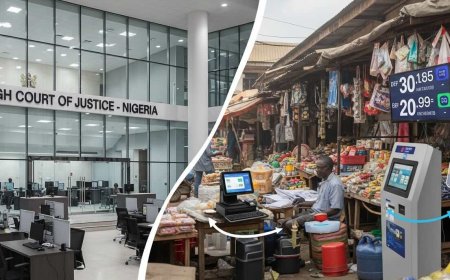
The bridge between a predatory free-for-all and a functional infrastructure is built on strong legal frameworks. The rule of law must provide a clear, fair, and efficient path for judicial enforcement of contracts which KREENO recommend to be more criminal in nature than civil. This includes specialized debt recovery courts that can resolve cases swiftly beyond ADR, as delays themselves devalue recovered assets which our courts should factor in when giving judgments.
Effective regulatory oversight is equally critical. Bodies like a Central Bank and FCCPC must set and enforce strict standards for recovery conduct, ensuring professionalism and protecting against abuse. This oversight builds investor confidence. When institutions trust that contracts will be honored, they are willing to invest more capital at lower costs for longer periods. This patience is the lifeblood of long-term infrastructure projects and business growth.
Countries with higher scores on enforcement efficiency, like Malaysia or those in the common law tradition, consistently enjoy deeper credit markets and lower default rates. Their systems are designed to resolve disputes predictably, making the economy a safer place to deploy capital.

Debt Recovery and Sustainable Lending
Ultimately, a strong recovery framework is the foundation of sustainable lending. It creates a virtuous cycle that benefits every participant in the economy.
-
Responsible Credit: Lenders, assured by an effective backstop, can focus on risk pricing based on true business potential rather than fear of total loss. This leads to more nuanced and fairer lending.
-
Improved Loan Performance: The mere existence of a reliable recovery system acts as a powerful deterrent to strategic default. Borrowers internalize their obligations, knowing that the system will follow through.
-
Financial Inclusion: Perhaps counterintuitively, strong recovery enables greater financial inclusion. With tools to manage risk, lenders can safely extend credit to underserved segments such like small business owners or first-time homebuyers, who would otherwise be deemed "too risky."
In this environment, credit is not a gamble but a calculated engine for growth. Capital circulates efficiently, rewarding productivity and innovation.

Rebuilding the Narrative Around Debt Recovery
Changing the public perception of debt recovery is not just a PR exercise; it is a governance imperative. It requires a concerted effort in financial literacy, helping the public understand that ethical recovery protects the savings of depositors, the stability of pensions, and the availability of loans for homes and education.
Governance reform must position recovery professionals not as antagonists, but as essential market stabilizers. This means professionalizing the field through licensing, continuous training, and integration with public credit systems. It means celebrating agencies that operate with integrity and sanctioning those that do not.
“The goal is to build economic resilience. Just as we maintain roads to prevent collapse, we must maintain the financial infrastructure that ensures promises are kept and capital can flow. By recasting debt recovery as the vital, impartial, and professional infrastructure it is, we lay the groundwork for a more stable, trustworthy, and prosperous economy for everyone”. Says Dr Ohio O. Ojeagbase
A Tale of Two Systems: How Framing Debt Recovery Shapes Economic Outcomes

The table below contrasts two fundamentally different approaches to debt recovery and their profound impact on economic health and behavior.
The path forward is clear. We must choose to build and support the infrastructure model. It is the only way to ensure that trust, which is the most valuable currency in any economy, is preserved and strengthened.
Contact: report@probitasreport.com
Stay informed and ahead of the curve! Follow The Probitas Report on WhatsApp for real-time updates, breaking news, and exclusive content—especially on integrity in business and financial fraud reporting. Don’t miss any headlines—connect with us on social media @probitasreport and visit www.probitasreport.com WhatsApp Only: +234 902 148 8737
What's Your Reaction?