








































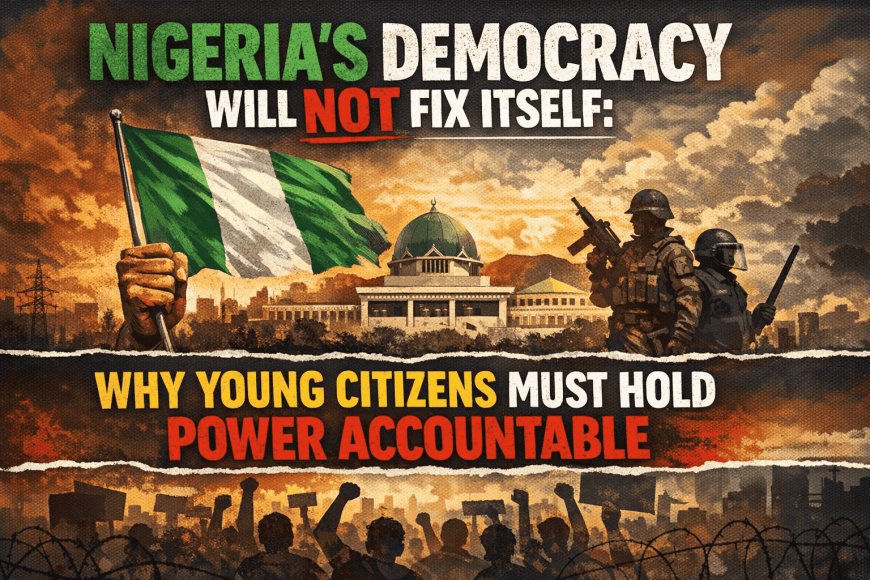
Nigeria’s Democracy Will Not Fix Itself: Why Young Citizens Must Hold Power Accountable
Nigeria’s democracy continues to bear the weight of outdated military-era policies such as immunity, zoning, and federal character, which often undermine transparency, merit, and equitable governance. As the nation faces pressing social, economic, and political challenges, young citizens cannot remain passive observers. It is imperative for the next generation to step forward, demand accountability, and push for reforms that ensure leadership truly serves the people. The future of Nigeria depends on active participation, informed dialogue, and courageous advocacy from those who will inherit the nation.
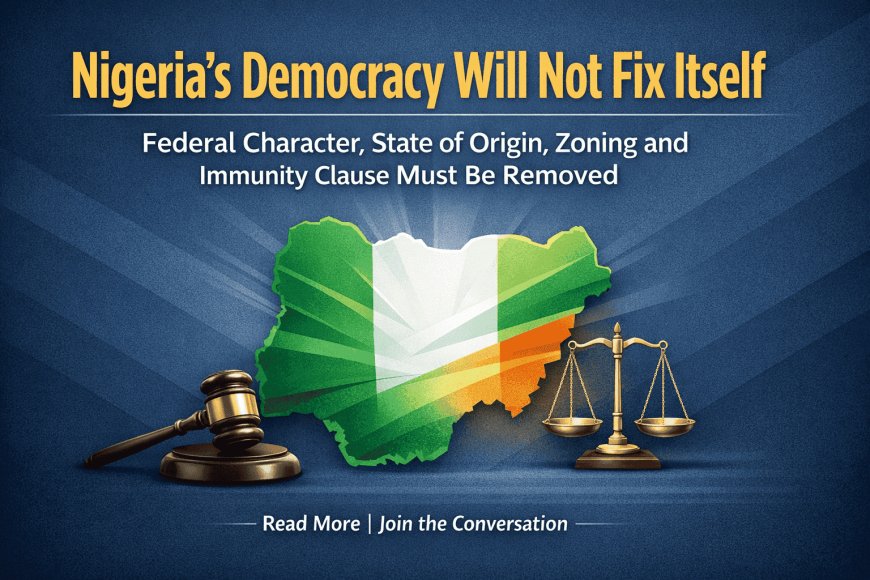

Nigeria’s Military Legacy and Its Grip on Civilian Democracy
Nigeria has spent over six decades under what we call civilian rule, yet many of the ideas guiding our politics were designed under military governments. These ideas were created for command, control, and elite stability, not for citizen participation or accountability. They still shape how the Executive, Legislature, and Judiciary behave today. They live inside our Constitution, our political parties, and our public institutions. If your generation wants a different future, you cannot avoid confronting these inherited structures across all arms of government.


Four of these structures sit at the centre of Nigeria’s democratic crisis: the Immunity Clause, State of Origin, Zoning, and Federal Character. Each was introduced during periods of fear and instability. Each was justified as a tool for balance or protection. Today, they function as shields for impunity, mediocrity, and elite sharing. Understanding where they came from and how they now operate against your interests is the first step toward reform.
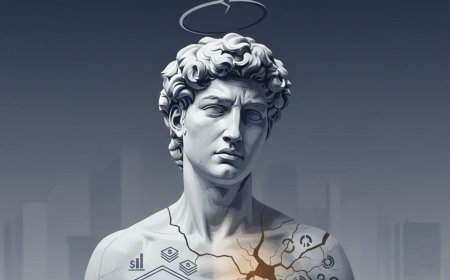
The Immunity Clause: Why Some Leaders Are Above the Law
Why Immunity Made Sense Under Military Rule—but Not Today
Section 308 of the 1999 Constitution grants immunity from civil and criminal proceedings to the President, Vice President, Governors, and Deputy Governors while in office. Under military rule and early transitions, this was defended as a way to protect leaders from constant legal attacks that could destabilize government. The priority then was survival of the state, not deep accountability.
Nigeria today claims to be a constitutional democracy. Yet immunity still operates as if coups are imminent and courts cannot be trusted. This outdated logic clashes with democratic principles where leaders are meant to serve under the law, not above it.
How Immunity Undermines Accountability and Equal Citizenship
In practice, immunity has become a temporary escape route from justice. Corruption investigations pause. Evidence goes cold. Witnesses lose interest or face pressure. Assets quietly change hands. Citizens watch allegations unfold without consequence. The message is simple and dangerous: power suspends responsibility.
This does more than protect wrongdoing. It destroys the idea of equal citizenship. When young Nigerians see leaders shielded from consequences while ordinary people face the full force of the law for minor offences, trust in institutions collapses. A serious democracy would narrow immunity to official acts or allow corruption and grave human rights cases to proceed while leaders are in office, using special courts or fast-track procedures. These reforms will not happen unless citizens demand them.
READ MORE:
- Restoring Financial Flow: Why Debt Recovery is Economic Infrastructure, Not Aggression
- Non-Performing Loans Are Not Accidents. How Weak Enforcement Is Strangling Nigeria’s Productive Economy
- The rise of modern day witchcraft and the hidden influence of manipulation and selective targeting across institutions
- Meet The King Of Ethical And Professional Debt Recovery In Africa 2024 By IDRPN
State of Origin and the Crisis of Equal Citizenship in Nigeria
How State of Origin Excludes Nigerians Where They Live and Work
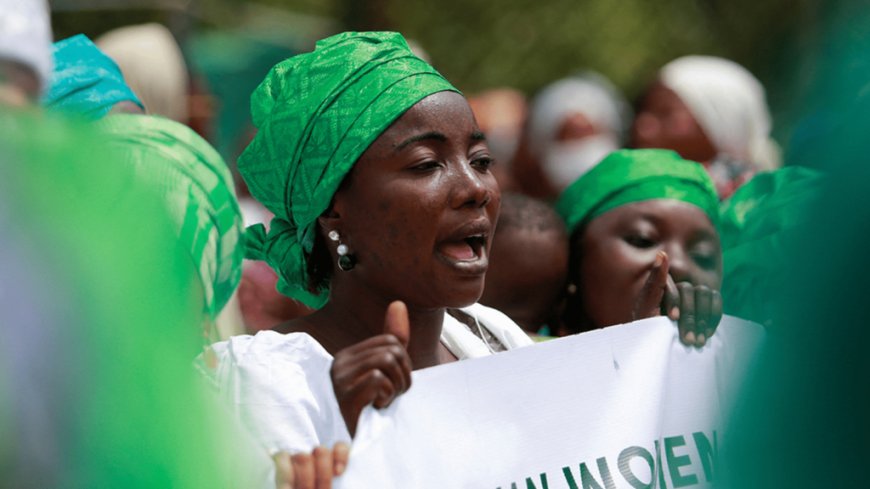
State of Origin was introduced after the civil war to protect minorities and prevent domination by larger ethnic groups. On paper, it looks inclusive. In reality, it has become a weapon against equal citizenship. Millions of Nigerians are treated as outsiders in the states where they were born, raised, educated, and where they pay taxes.
Graduates are denied state jobs. Students lose scholarships. Professionals are blocked from opportunities, not because of ability, but because of ancestry. Young Nigerians are forced to choose between honesty and opportunity when filling official forms. This is not democracy. Democracy depends on belonging where you live and contribute, not on frozen identity tied to distant ancestors.
Why State of Residence Is a Democratic Alternative
A modern democratic system would replace State of Origin with State of Residence. If you live, work, pay tax, and vote in a state for a defined period, you should enjoy full civic rights there. Contribution should create belonging. This shift would reduce identity politics, increase social cohesion, and give young Nigerians a fairer chance at opportunity. It is a reform your generation must insist on.
Zoning: Power Rotation Without Performance
How Zoning Shifts Focus From Competence to Identity
Zoning is not written into the Constitution, but it dominates Nigerian politics. It emerged from mistrust, coups, and the trauma of June 12, intended to calm fears by rotating power across regions. Over time, it has shifted political competition away from ideas and competence toward entitlement.
Candidates are filtered by geography before performance is even discussed. Internal party democracy weakens. Elite agreements made behind closed doors are presented as consensus. Citizens are told it is “our turn,” even when candidates have no serious plans or track records.
Why Democracy Needs Competition, Not Rotation Deals
Zoning does not guarantee roads, jobs, electricity, or justice. It encourages identity voting and allows leaders to hide behind regional loyalty instead of results. Democracy thrives on competition—of ideas, character, and capacity. Parties can pursue balance without locking citizens into low standards. Your responsibility is to reject rotation without performance.
Federal Character: Inclusion Without Excellence
How Federal Character Became a Tool for Patronage
Federal Character was written into the Constitution to reflect Nigeria’s diversity in public institutions. The principle was inclusion. The practice has often been crude sharing of slots. Recruitment standards are lowered or manipulated. Merit is sacrificed to quotas controlled by elite networks.
Young Nigerians experience this when they lose opportunities because someone else must fill a “slot,” regardless of competence. Institutions suffer capacity problems, and public service quality declines. Patronage hides behind the language of inclusion.
Designing Inclusion That Preserves Merit and Capacity
True inclusion does not reject merit. It demands fair competition with transparent rules. Federal Character can be redesigned with independent recruitment bodies, clear exams, published scores, and strong oversight by civil society and the courts. Inclusion should widen opportunity, not excuse mediocrity.

MORE NEWS:
- Why Economies Collapse When Contract Enforcement Fails: Understanding Financial Stability
- More Than Just Debt: 5 Hidden Legal and Financial Consequences of a Bounced Cheque in Nigeria by Prof. Prisca Ndu
- Navigating Modern Debt Collection in Nigeria: Ethical Recovery and Financial Integrity by Dr. Ohio O. Ojeagbase
- Nigeria Financial Security: Dr. Ohio O. Ojeagbase Leads Financial Integrity Initiatives During International Fraud Awareness Week
Why These Structures Hurt Young Nigerians the Most
How Identity-Based Governance Limits Opportunity
These four structures determine who gets power and how it is exercised. They reward loyalty over competence, slow justice, lower standards, and shrink opportunity. For a young population that is educated, connected, and ambitious, this is a direct attack on your future.
Why Youth Disillusionment Is a Warning Sign for Democracy
Frustration among young Nigerians is not a weakness; it is a signal. But frustration without structure changes nothing. Chaotic, leaderless protests can be hijacked or crushed. What works is disciplined, sustained pressure aimed at clear reforms across all arms of government.
How Young Citizens Can Hold All Three Arms of Government Accountable
Using Elections, Courts, and Civic Pressure Effectively
You have tools older generations lacked: social media, data, networks, courts, and numbers. Elections must be treated as hiring processes. Ask candidates direct questions about immunity, State of Residence, zoning, and merit-based Federal Character. Record their answers. Share them. Remember them.

From Protests to Policy: Moving Beyond Leaderless Anger
Support civil society groups that litigate, draft amendments, and challenge abuse. Use peaceful protest strategically. Engage the Judiciary through public interest cases. Track legislative votes. Publish scorecards. Accountability grows when pressure is organized and persistent.
Citizens, Not Saviors: The Work of Democratic Renewal
No savior is coming. Democracies grow when citizens treat politics as daily work, not occasional drama. The Executive responds to pressure. The Legislature responds to scrutiny. The Judiciary responds to well-argued cases and public attention.
If you want a Nigeria where your work matters more than your surname, you must act like an owner. Register. Vote. Organize. Question. Document. Litigate. Teach others. The structures you inherited were built for fear and control. Your task is to replace them with merit, equal citizenship, and accountability. Democracy survives when citizens refuse to outsource responsibility. It is time to move.

Relocating to a safer, more functional society is understandable, even wise for many. But if Nigerians in the diaspora are ever to return home with joy, ready to invest their skills, energy, and hope in rebuilding this nation, they must see these roadblocks to progress shattered. They must witness a Nigeria where opportunity isn’t gatekept by ethnicity, connections, gender, or geography, where their contributions are welcomed, not wasted. That vision won’t emerge by chance; it demands relentless, organized citizen action here and now.
If you want a Nigeria where your name, your state, and your background do not limit your future, you must act like owners. Register. Vote. Organize. Question. Document. Litigate. Teach others. Hold every arm of government and ourselves across citizenry to account.
Democracy survives when citizens refuse to outsource their responsibility. Your future depends on whether you treat these structures as permanent walls or as old furniture that you are ready to move. It is time to MOVE!!!
Contact: report@probitasreport.com
Stay informed and ahead of the curve! Follow The Probitas Report on WhatsApp for real-time updates, breaking news, and exclusive content—especially on integrity in business and financial fraud reporting. Don’t miss any headlines—connect with us on social media @probitasreport and visit www.probitasreport.com WhatsApp Only: +234 902 148 8737
ADVERTISEMENT:

What's Your Reaction?