






























































Unrecovered Debt and Its Impact on Nigeria’s Economy, Business Growth, and Financial Trust
Unrecovered debt is a silent but deeply destructive force in Nigeria’s economy, weakening businesses and restricting access to credit beyond what balance sheets reveal. Silent defaults distort risk pricing, erode trust, and quietly suffocate SMEs, limiting job creation and financial stability. When obligations remain unresolved, capital flow slows and confidence in markets deteriorates. Debt recovery is therefore not aggression, but essential economic infrastructure and a matter of governance hygiene. In an era of tightening capital and rising risk, restoring financial flow is foundational to sustainable growth.


When debts go unrecovered, your business, your staff, and your reputation pay for it. Silent defaults do not stay on one balance sheet, they weaken trust across the entire economy.


The quietest financial shocks do not show up first on television. They start in your receivables and your loan books. They show as unpaid invoices, rolled over obligations, and customers who stop picking your calls. Unrecovered debt is not a private inconvenience. It is a leak in your cash flow, your sector, and your country’s productive capacity. When you let obligations die quietly, jobs shrink, risk rises, and credit dries up.

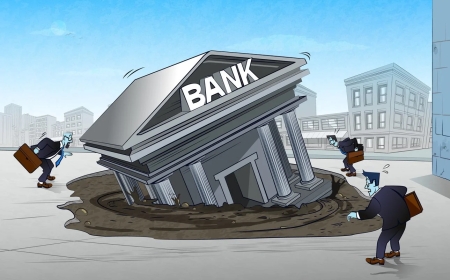
economy collapses due to unrecovered debts
The invisible damage
Silent defaults sit inside financial statements as numbers that look normal. You see “trade debtors” or “loans and advances”. You do not see the stress on payroll or the pressure on suppliers.
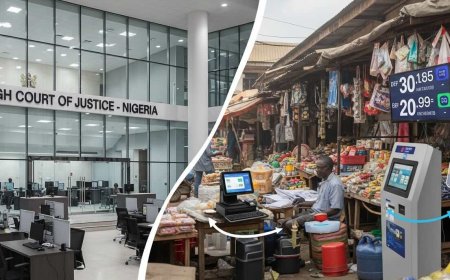
For Nigerian SMEs, one large unpaid obligation can stop operations. A big client delays payment, your working capital drops and you start choosing between salaries and stock. Staff leave, morale falls, and your bank begins to worry about your exposure.
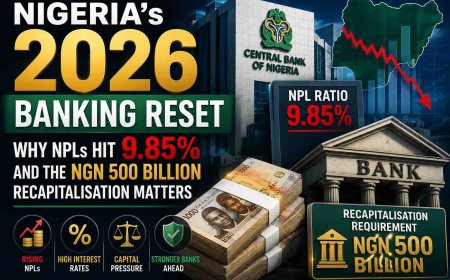
Banks feel the same pressure. Each unrecovered loan forces tighter terms for the next borrower, sometimes higher rates, sometimes more collateral, sometimes no facility at all. Productive firms then struggle to access credit, even if they have strong demand and competent management.
Investors respond to this pattern. When they see weak recovery and high non performing loans, they demand higher returns or move funds elsewhere. Your cost of capital rises, your growth plans slow, and your sector gains a reputation for poor credit discipline.
READ MORE:
- Non-Performing Loans Are Not Accidents. How Weak Enforcement Is Strangling Nigeria’s Productive Economy
- The rise of modern day witchcraft and the hidden influence of manipulation and selective targeting across institutions
- Meet The King Of Ethical And Professional Debt Recovery In Africa 2024 By IDRPN

Why silence is deadlier than conflict
Conflict is unpleasant, but at least both sides are talking. A dispute means there is still engagement, facts can still be clarified, and settlements are still possible.
Silence is different. When a debtor stops responding and a creditor stops following up, the system freezes. There is no repayment plan, no restructuring, no lesson for either side.
If you are a creditor and you drop a case because of discomfort, you send a signal that obligations are optional. If you are a debtor and you avoid communication, you remove the chance to renegotiate on realistic terms. Over time, this behaviour becomes normal, and everyone adjusts to lower expectations of trust.
At system level, weak enforcement erodes the meaning of contracts. Agreements turn into optimistic documents, not reliable promises. That attitude spills into supply chains, employment contracts, and even tax payment. Once people stop believing that obligations must be honoured or resolved, the culture of responsibility weakens.
Debt recovery as institutional hygiene
You should not see recovery as aggression. You should see it as hygiene.
In a disciplined financial system, recovery is part of basic governance. You assess risk before lending. You monitor behaviour during the credit period. When stress appears, you engage, document, and resolve. Once you sense possibility for the borrower to renege, you move swiftly to secure your position in the event of breach of loan contract.
For your business, this means you set clear credit terms, you document exposures, and you act early when invoices age. You maintain a log of contact, you agree timelines, and you escalate in a structured way when silence persists.
For banks and large lenders, structured recovery protects capital and improves risk models. High and predictable recovery rates support lower pricing because losses are contained. That discipline reduces volatility for your portfolio and strengthens long term profitability.
For the wider economy, credible recovery keeps trust in the system. When everyone knows that obligations will be followed through in a fair and predictable way, more people are willing to extend credit. You get deeper markets, more investment, and more stable employment.
MORE NEWS:
- More Than Just Debt: 5 Hidden Legal and Financial Consequences of a Bounced Cheque in Nigeria by Prof. Prisca Ndu
- Navigating Modern Debt Collection in Nigeria: Ethical Recovery and Financial Integrity by Dr. Ohio O. Ojeagbase
- Nigeria Financial Security: Dr. Ohio O. Ojeagbase Leads Financial Integrity Initiatives During International Fraud Awareness Week
The missing link in Nigeria and where KREENO fits
Many advanced markets treat enforcement and recovery infrastructure as part of financial plumbing. They sit together with credit bureaus, collateral registries, and courts.
Nigeria still relies heavily on fragmented, late stage approaches. Recovery often comes after long periods of silence, when relationships have already broken down and records are weak. This approach wastes time, increases legal cost, and encourages more silence in the next cycle.
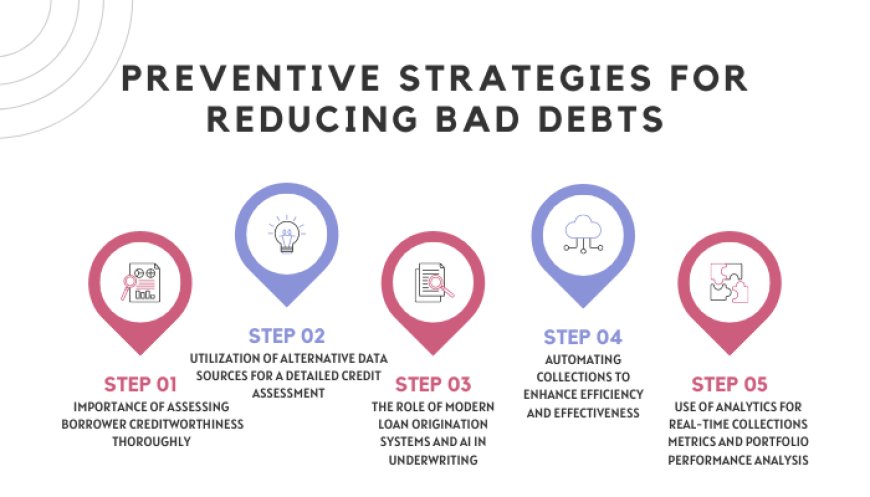
You need a model that treats recovery as a systematic, fact driven process, not a last minute pressure tactic. This is where a platform like KREENO fits. KREENO works as a financial stabiliser, an institutional partner, and a governance actor. It focuses on investigation, clear documentation, and structured engagement that supports long term economic health, not short term noise or expecting overnight magic especially when it comes to ethical debt recovery following due legal process.

A slow crisis that needs steady discipline
Silent defaults do not wipe out markets in one week. They chip away at trust, year after year. Receivables are written off without analysis. Lessons are not captured. Behaviours do not change and some pray that both lenders and recovery agents either forget their duties or money and some even plan modern day witchcraft against legitimate creditors and recovery agents.
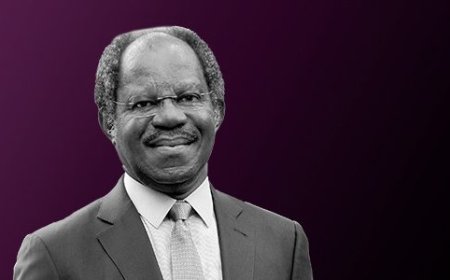
You do not fix this with one policy announcement or one court case. You fix it with consistent discipline. Use clear contracts. Engage early. Structured recovery. Keep good records on the go. And religious bodies should constantly be teaching principles and values that transform society as they say in psychology that “repitition helps us to establish as truth as a practice” and this is what religious bodies must do as they are most defaulters in this discuss’. Their consistent action is necessary for change” Dr Ohio O. Ojeagbase
For your own organisation, that means:
- Set strict credit policies and stick to them.
- Track receivables closely by age, not only total amount.
- Engage early when payments slip, and document every step.
- Use independent recovery partners when internal engagement stalls.
- Feed recovery outcomes back into credit decisions, sector limits, and pricing models.
Nigeria cannot afford to treat quiet default as normal. Every unpaid obligation reduces liquidity, jobs, and fiscal space for growth. When you enforce responsibly, you protect your balance sheet and you also support a healthier credit culture for everyone.
Contact: report@probitasreport.com
Stay informed and ahead of the curve! Follow The Probitas Report on WhatsApp for real-time updates, breaking news, and exclusive content—especially on integrity in business and financial fraud reporting. Don’t miss any headlines—connect with us on social media @probitasreport and visit www.probitasreport.com WhatsApp Only: +234 902 148 8737
What's Your Reaction?