





































































$217 Billion Extraction: How Africa Ships Raw Wealth While Europe and Asia Capture the Profits
Explore the $217 billion annual extraction of Africa’s raw resources, revealing how European and Asian nations profit from the continent’s wealth while African economies remain undercompensated, and understand the systemic factors driving this resource exploitation.
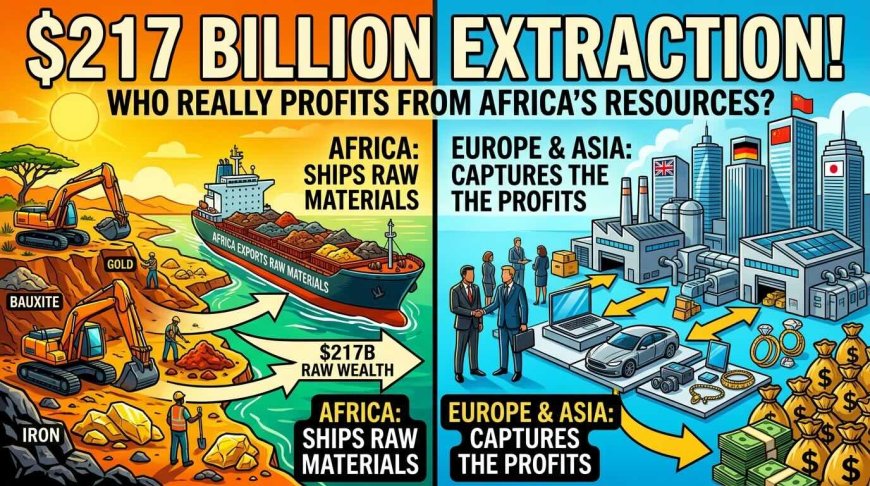

Why exporting raw materials continues to limit Africa’s economic growth and how value addition can transform the continent’s industrial future.


Introduction: The Scale of the Opportunity
Africa produces many of the raw materials that power global industries. Cocoa, shea, copper, lithium, cobalt and palm oil are just a few examples. These resources leave African ports every year in large quantities. However, most of them are exported in raw or minimally processed form.
The real profits are made elsewhere.
Africa exports cocoa beans worth about $5.7 billion each year, yet the global chocolate industry built on those beans generates about $217 billion annually. Shea butter exports from Africa are valued at roughly $90 million, while the global cosmetics industry that uses shea produces more than $500 billion in revenue.
These numbers show a clear imbalance. African countries supply the raw materials, but other parts of the world process them into finished products and capture most of the profits.
This pattern is repeated across many industries. Africa exports raw minerals, agricultural products and natural resources. Other countries refine them, manufacture products from them and sell those products back to global markets at much higher prices.
This is not simply a trade issue. It is a major economic challenge that affects job creation, industrial growth and long-term prosperity across the continent.

Background: How the Pattern Began
The roots of Africa’s raw-material export system go back to the colonial period. During that time, European powers structured African economies mainly to supply raw commodities for industries in Europe.
Colonial governments built railways, ports and trade systems designed to move agricultural products and minerals from the interior of the continent to coastal ports. These resources were then shipped to factories overseas.
After independence, many African countries continued using the same economic structure. Raw material exports remained a major source of foreign exchange and government revenue.
Export taxes, customs duties and licensing systems provided quick income for governments. However, this approach did not encourage investment in factories that could process those raw materials locally.
Building processing industries requires reliable electricity, skilled workers, technology, transport systems and long-term investment. These conditions have been difficult to achieve in many parts of the continent.
As a result, the old pattern remained in place: Africa exports raw materials, while other countries perform the higher-value stages of production.
The Global Value Chain Problem
In modern global trade, the highest profits are usually made in the later stages of production. These stages include refining, manufacturing, branding and retail distribution.
Raw materials typically represent only a small share of the total value of a finished product.
For example, the cocoa bean is only the starting point of the chocolate industry. After harvesting, the beans must be processed into cocoa butter and cocoa powder. These ingredients are then used to manufacture chocolate products, package them, brand them and distribute them worldwide.
Each step adds value.
Countries that control these steps capture the largest share of the revenue.
The same process occurs in many other industries, including:
-
Cosmetics
-
Electric vehicle batteries
-
Electronics
-
Food processing
-
Chemical manufacturing
Countries that specialise in processing and manufacturing therefore gain the greatest economic benefits.
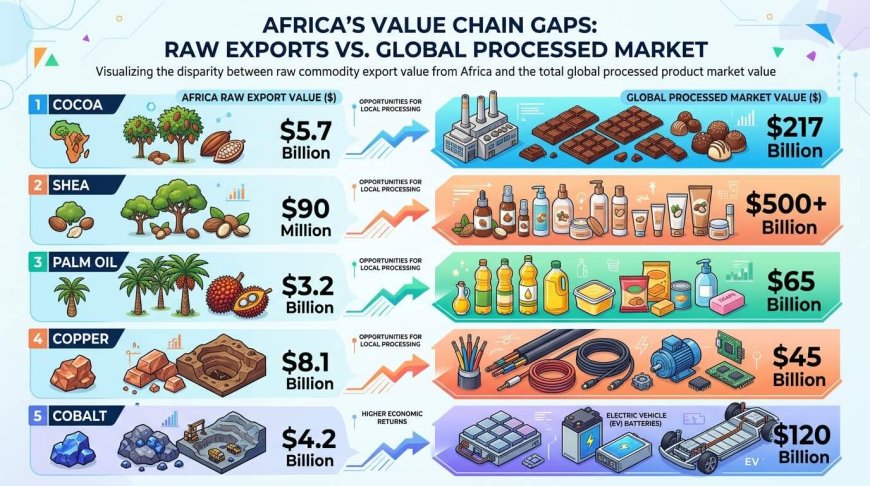
Value Chain Comparison
The following table illustrates the large difference between raw export value and processed product value.
| Commodity Value Chain | Africa Raw Export Value | Global Processed Market Value |
|---|---|---|
| Cocoa → Chocolate | $5.7 Billion | $217 Billion |
| Shea → Cosmetics | $90 Million | $500+ Billion |
| Palm Oil → Processed Products | $3.2 Billion | $65 Billion |
| Copper → Electrical Products | $8.1 Billion | $45 Billion |
| Cobalt → EV Batteries | $4.2 Billion | $120 Billion |
These figures highlight the enormous value that is added after raw materials leave the continent.
Lessons from Asia: Capturing Value Locally
Several Asian countries faced similar challenges in the past. Instead of continuing to export raw commodities, they introduced policies that encouraged domestic processing and manufacturing.
Malaysia and Indonesia provide a clear example. Both countries produce large amounts of palm oil. In earlier decades, they exported most of it in crude form.
Later, their governments introduced export taxes on raw palm oil while offering incentives for companies that refined and processed the product locally.
Over time, this policy encouraged the development of large processing industries that produce cooking oils, food ingredients, chemicals and biofuels.
Today, the palm oil processing sector generates tens of billions of dollars annually and provides millions of jobs.
Thailand followed a similar strategy with natural rubber. Instead of exporting raw latex, the country developed industries that produce tyres and other rubber products.
These experiences show that deliberate policy decisions can help countries capture more value from their natural resources.
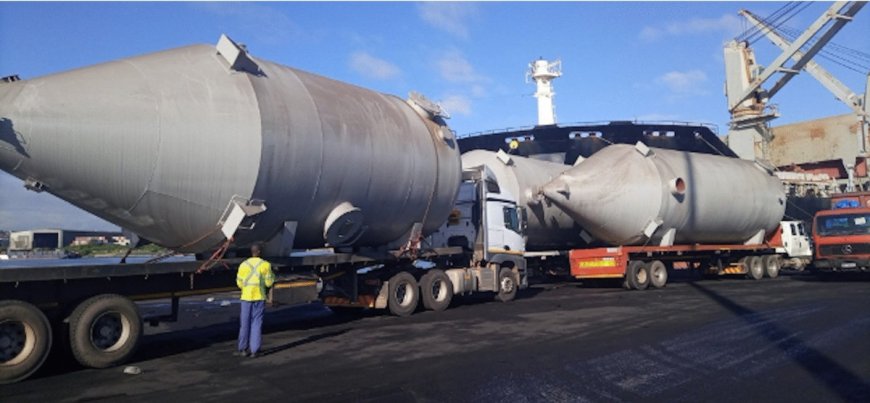
Why Africa Still Exports Raw Materials
Despite the clear economic advantages of processing industries, several challenges continue to limit industrial development across Africa.
1. Short-Term Government Revenue
Many governments depend heavily on taxes collected from raw material exports. These revenues provide quick income that helps fund public budgets.
Processing industries, however, require large investments and take several years before generating returns. Political leaders often prefer policies that deliver immediate financial benefits rather than long-term industrial transformation.
2. Infrastructure Challenges
Industrial processing requires reliable electricity, transport systems and port facilities.
Unfortunately, many African countries still face power shortages and logistics problems. Factories cannot operate efficiently without steady power supply and efficient transport networks.
These infrastructure gaps discourage investors from building processing plants.
3. Skills and Technology Gaps
Processing industries also require skilled engineers, technicians and managers.
Technical education systems in many African countries are still developing. As a result, there are not always enough trained professionals to support large industrial sectors.
4. Policy and Governance Challenges
In some cases, complex licensing systems and administrative delays make it difficult for industrial investors to start new projects.
Businesses may face long approval processes or unclear regulatory requirements. These barriers can slow down industrial development.
The Opportunity Created by the African Continental Free Trade Area
Despite these challenges, new opportunities are emerging.
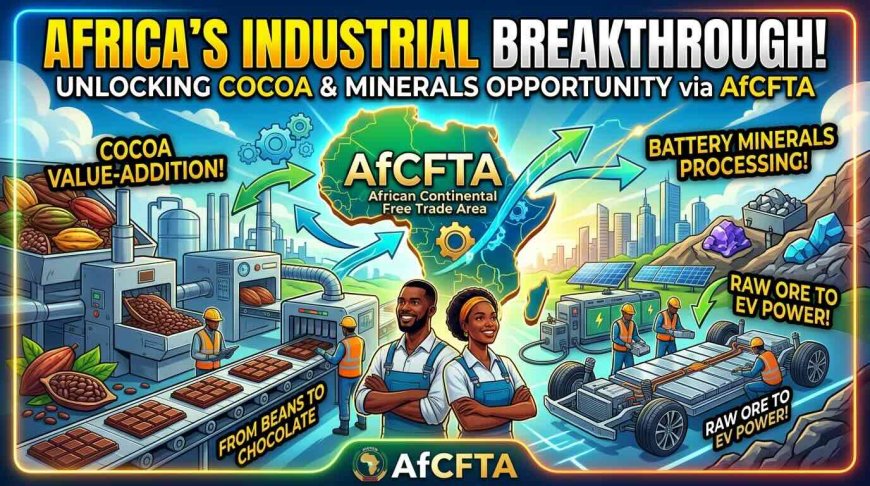
The African Continental Free Trade Area is one of the most important economic initiatives on the continent.
The agreement connects 54 African countries into a single market with more than 1.3 billion people and a combined economic output of about $3.4 trillion.
This large market can support industries that were previously too small to operate within individual countries.
Regional supply chains can also emerge. For example:
-
One country may supply raw materials
-
Another may refine them
-
A third may manufacture finished products
A good example is the proposed battery production partnership between Zambia and Democratic Republic of the Congo. These countries produce large amounts of copper and cobalt, two essential minerals used in electric vehicle batteries.
By developing battery processing facilities within the region, these countries could capture much more value from their natural resources.
Policy Solutions for Value Addition
Several policy actions could help African countries move from raw material exports toward industrial processing.
Encourage Local Processing
Governments can introduce incentives that encourage companies to process raw materials locally before export.
These incentives might include tax breaks, lower export duties on processed goods and support for industrial investment.
Invest in Industrial Infrastructure
Reliable electricity, modern transport systems and efficient ports are essential for industrial growth.
Public investment and partnerships with private investors can help develop this infrastructure.
Strengthen Technical Education
Technical training programmes can help produce engineers, technicians and skilled workers needed for manufacturing industries.
Universities and vocational schools can work with companies to design training programmes that match industry needs.
Support Regional Industrial Clusters
Regional industrial zones can bring together suppliers, manufacturers and logistics companies in the same location.
This clustering effect can reduce costs and improve efficiency for processing industries.
Improve Transparency and Governance
Clear and predictable policies encourage long-term investment.
Simplified licensing systems and transparent regulatory processes can help attract investors interested in building processing facilities.
Economic Benefits of Industrial Processing
Developing processing industries would create several major benefits for African economies.
Higher Government Revenue
Processed goods generate more tax revenue than raw material exports.
More Employment Opportunities
Manufacturing industries create many more jobs than raw material extraction.
Technology Transfer
Processing industries encourage the development of new skills, technologies and research capabilities.
Stronger Economic Stability
Diversified industrial economies are less vulnerable to sudden commodity price changes.
Strategic Conclusion
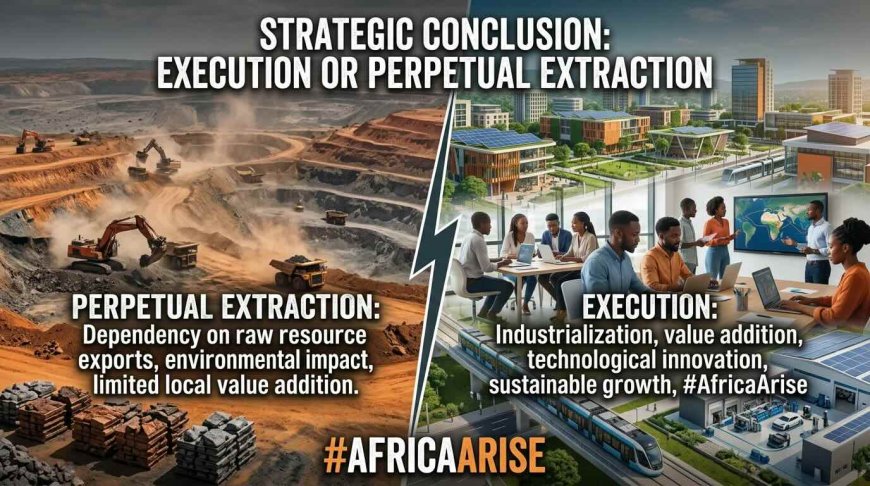
Africa possesses enormous natural resources that are essential for global industries. However, exporting these resources in raw form captures only a small portion of their true economic value.
The gap between raw material exports and processed product revenues represents one of the largest missed economic opportunities on the continent.
New initiatives such as the African Continental Free Trade Area offer a pathway toward change by creating a larger regional market for industrial goods.
With the right policies, investments and governance reforms, African countries can build industries that process their own resources, create jobs and generate higher economic returns.
The future of the continent’s economy will depend not only on the resources it produces, but on the value it creates from those resources.

Contact: report@probitasreport.com
Stay informed and ahead of the curve! Follow The Probitas Report on WhatsApp for real-time updates, breaking news, and exclusive content especially on integrity in business and financial fraud reporting. Don’t miss any headlines, connect with us on social media @probitasreport and visit www.probitasreport.com WhatsApp Only: +234 902 148 8737
[©2026 ProbitasReport - All Rights Reserved. Reproduction or redistribution requires explicit permission.]
ADVERTISEMENT:

What's Your Reaction?