




































































Tema Refinery Receives 1 Million Barrels of Nigerian Crude: A New Era for West African Energy Trade
The arrival of 1 million barrels of Nigerian crude at Ghana's Tema Refinery marks a significant milestone in regional energy cooperation. The development highlights Nigeria's growing role in African energy security, cross-border petroleum trade, and refinery integration under the African Continental Free Trade Area (AfCFTA).
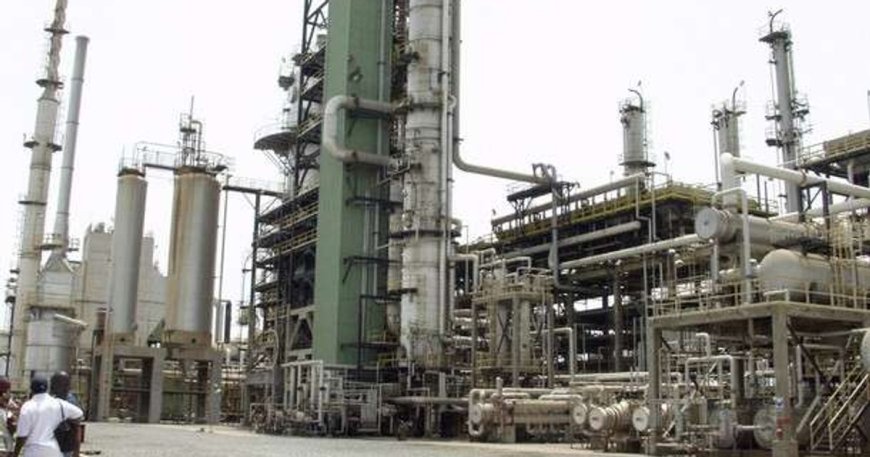

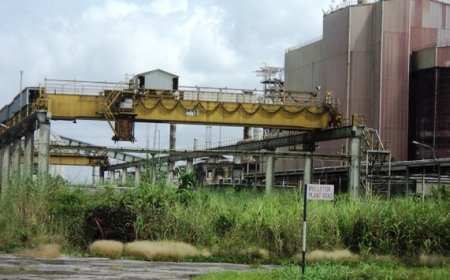
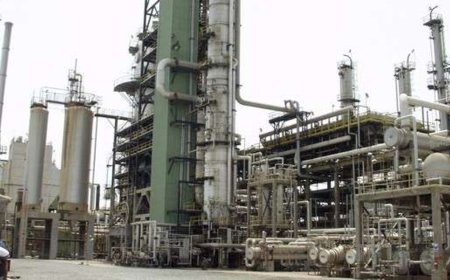
Ghana’s Tema Oil Refinery has received one million barrels of Nigerian crude oil as it works to restore stable operations after years of operational challenges.


The 45,000-barrel-per-day refinery said the shipment supports ongoing efforts to strengthen Ghana’s energy security, maintain refining activities, and reduce the country’s dependence on imported petroleum products.
TOR management said the arrival of the Bonga crude marks an important step in the refinery’s plans to resume consistent refining operations, enhance national energy security, and cut reliance on imported fuels.
The refinery received the cargo, identified as Bonga crude and reportedly sourced from Shell, through a tolling arrangement involving Triangle Commodities Trading and delivered it aboard the Cap Felix.

Shell produces Bonga crude from the deepwater Bonga oil field in Nigeria, where it serves as the field’s flagship light sweet crude grade.
The industry regards Bonga crude as a high-quality oil because of its low sulfur content, which allows refiners to process it more easily and at lower cost than heavier or higher-sulfur crude grades.
Under the tolling arrangement, TOR processes crude supplied or financed by third parties and receives a portion of the refined products in return, helping the refinery manage the funding challenges that have affected operations in the past.
The shipment ranks among the refinery’s largest crude deliveries in recent years as management continues efforts to restore commercial viability following extended shutdowns, financial difficulties, and maintenance issues.
MORE READ:
- Why Africa’s Richest Nations Have Weak Currencies - What Nigeria Must Do Before 2027
- Nigeria - DRC Private Sector Partnership: A New Path for African Industrialisation and Economic Sovereignty
- Lagos International Financial Centre: Nigeria’s New Economic Blueprint
- How Corporate Governance Drives the Survival and Growth of Emerging Enterprises
- Why Strong Corporate Governance Is the Secret to African Business Survival
- Digital Governance in Nigeria, Why Corporate Boards Must Treat AI, Cybersecurity and Data Ethics as Fiduciary Duties
The delivery follows TOR’s return to limited operations in December after management reported a four-year shutdown. Refining activities later slowed again because of crude-oil supply shortages and operational difficulties.
In February, TOR announced plans to secure crude supply partners through tolling agreements to restart refining without carrying the full upfront cost of crude purchases. The latest shipment reflects that strategy.
The refinery expects the crude to produce a range of petroleum products, including liquefied petroleum gas (LPG), gasoline, diesel, kerosene, aviation fuel, and fuel oil, helping to meet demand across Ghana’s domestic fuel market if supplies remain consistent.
Contact: report@probitasreport.com
Stay informed and ahead of the curve! Follow The Probitas Report on WhatsApp for real-time updates, breaking news, and exclusive content especially on integrity in business and financial fraud reporting. Don’t miss any headlines, connect with us on social media @probitasreport and visit www.probitasreport.com WhatsApp Only: +234 902 148 8737
[©2026 ProbitasReport - All Rights Reserved. Reproduction or redistribution requires explicit permission.]
What's Your Reaction?