



































Nigeria's Energy Crisis: How Chronic Power Shortages Are Destroying Growth, Investment, and Industrial Development
Nigeria's energy crisis remains one of the greatest obstacles to economic growth, industrialization, and national competitiveness. This comprehensive analysis examines the historical evolution of Nigeria's power sector, the causes of persistent electricity shortages, the impact on businesses, citizens, and foreign investment, and lessons from South Africa's successful energy reforms. It also outlines practical short-, medium-, and long-term solutions for achieving sustainable energy security.

Introduction


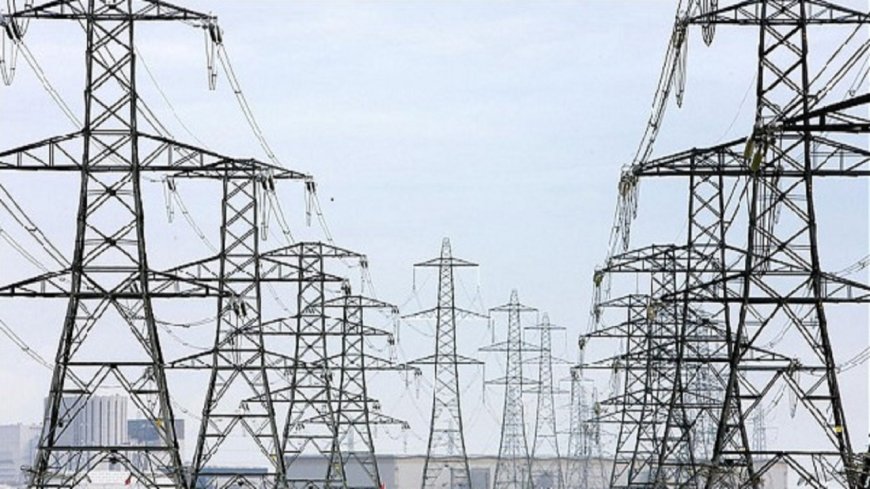
There is a popular saying: "Remove electricity from the inventions of civilization, and we will be back to the primitive era". This quotation highlights the critical role electricity plays in the development process of any nation. It is a sine qua non of economic advancement; every sector of the economy needs reliable power to function effectively.
Historical Perspective
Colonial Era (1896–1959)
Electricity was first introduced in Lagos in 1896, only a few years after its adoption in Europe. The first generating plant had an installed capacity of about 30 kW. Given this limited supply, the plant served only colonial administrators, European residential areas, and a few commercial establishments in urban centers. Later, small diesel generating stations were established in regional cities like Lagos, Kaduna, Enugu, and Port Harcourt. Local authorities and government departments managed the generation and distribution of electricity, but access remained restricted to a tiny segment of the population.
In 1929, the colonial government established the Nigerian Electricity Supply Company (NESCO) to provide electricity to the tin mining industry in Jos. This marked Nigeria's earliest foray into hydroelectric power, with a station constructed at Kura Falls near Jos. Realizing the need for a coordinated national energy framework, the colonial administration established the Electricity Corporation of Nigeria (ECN) in 1950. Responsible for generation, transmission, and distribution, the ECN expanded infrastructure across regional capitals using larger diesel and steam-powered plants, introducing Nigeria’s first centralized electricity system.
Post-Independence and the Era of Monopolies (1960–1999)
Following independence, Nigerian leaders prioritized electricity generation to drive industrialization. This led to the creation of the Niger Dams Authority (NDA), which was tasked with harnessing the water levels of the River Niger for hydroelectricity through dam construction, station operations, and water resource management. The Kainji Dam project, commenced in 1964 and commissioned between 1968 and 1969, was the NDA's largest initiative. It launched with an initial capacity of 320 MW and was later expanded to over 700 MW, significantly increasing national generating capacity and supporting industrial growth in major cities.
In 1972, the government merged the ECN and the NDA to form the National Electric Power Authority (NEPA). NEPA held a perfect monopoly over generation, transmission, and distribution. Major projects executed under NEPA included:
· Jebba Hydroelectric Power Station: Commissioned in 1985 with a capacity of 578 MW.
· Shiroro Hydroelectric Power Station: Commissioned in 1990 with a capacity of approximately 600 MW.
Together with Kainji, these stations formed the backbone of Nigeria’s hydroelectric generation. Between the 1970s and 1990s, following the discovery and commercialization of natural gas, Nigeria began relying heavily on thermal plants. Key thermal stations built during this era included Sapele, Afam, Delta, and Egbin—the last being the largest with an installed capacity of 1,320 MW.
However, as a centralized state organ, NEPA became bedeviled by severe technical, financial, and operational problems. By the 1990s, power generation plummeted below 2,000 MW for a population exceeding 100 million people, a deficit that was highly insignificant even for basic household consumption.
Power Sector Reforms and Privatization (2005–Present)
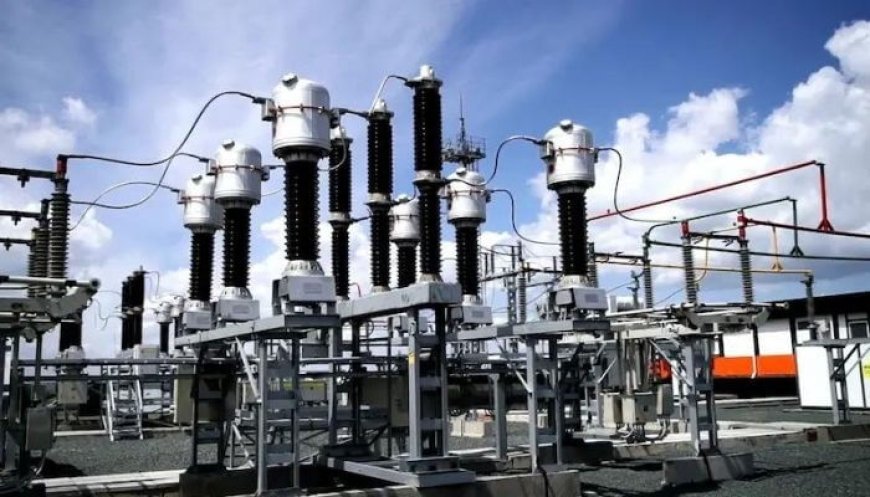
In a major policy shift, the government enacted the Electric Power Sector Reform Act (EPSRA) of 2005 to transition the sector before full privatization. The key features of these reforms included:
- · Liberalization of the electricity market.
- · Increased private sector participation.
- · Improved operational efficiency.
Between 2010 and 2013, the Power Holding Company of Nigeria (PHCN)—the successor to NEPA—was unbundled into separate components:
- · Generation Companies (GenCos): Privatized entities such as Egbin Power Plc and Mainstream Energy Solutions.
- · Distribution Companies (DisCos): Privatized regional distributors including Ikeja Electric, Eko Electricity Distribution Company, and Abuja Electricity Distribution Company.
- · Transmission Company of Nigeria (TCN): Remains under public ownership and management.
Since the 2013 privatization, Nigeria's electricity generation mix has relied on the following approximate shares:
|
Energy Source |
Approximate Share |
|
Natural Gas |
75% – 80% |
|
Hydropower |
20% – 25% |
|
Solar / Wind |
1% |
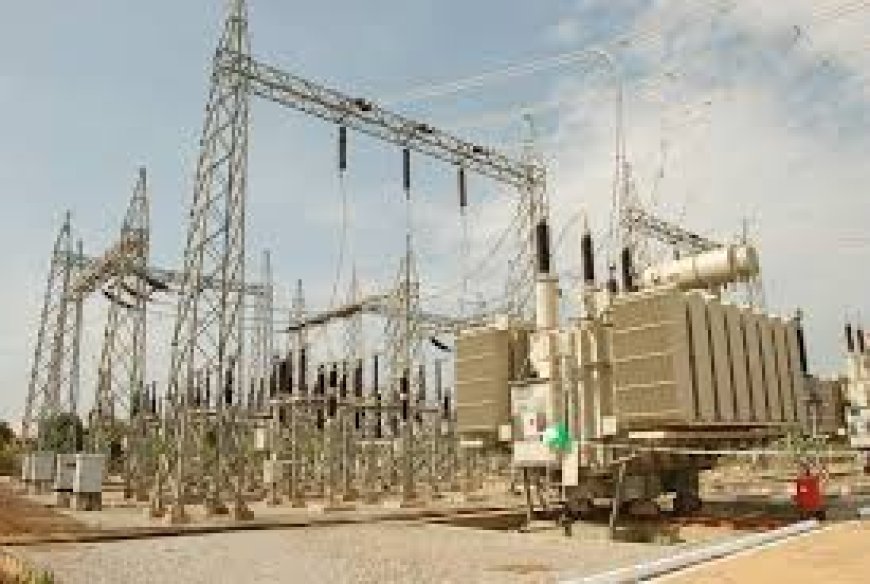
Major modern plants built or expanded in this era include the Azura-Edo, Geregu, Olorunsogo, and Omotosho power plants. Despite unbundling, chronic problems persist, including gas supply constraints, transmission bottlenecks, infrastructure vandalism, and financial insolvency. While nominal installed capacity exceeds 13,000 MW, operational constraints frequently cap actual available generation between 4,000 MW and 6,000 MW. Rapid population growth continues without a corresponding increase in power generation.
MORE READ:
- Walking in Glory: Biblical Wealth Creation Principles for Lasting Prosperity and Financial Success
- The Cost of Distrust: How Nigeria's Credit Culture Is Killing SME Growth and Economic Development
- 5 Corporate Governance Failures That Cost African Companies Billions - And How to Avoid Them
- Why Africa’s Richest Nations Have Weak Currencies - What Nigeria Must Do Before 2027
- Nigeria - DRC Private Sector Partnership: A New Path for African Industrialisation and Economic Sovereignty
Current Situation and the Energy Deficit
Nigeria is the largest economy in Africa and one of the world's major oil-producing nations, yet it faces a debilitating energy crisis. The historical data shows that the country's energy shortfalls remain largely unresolved as population growth continues to outpace static power generation.
The following table summarizes key energy statistics that outline the severity of the deficit:
Key Energy Statistics (2024–2025)
|
Indicator |
Nigeria |
Benchmark / Context |
|
Installed Generation Capacity |
13,625 MW |
Only enough for 45 million people. |
|
Population |
220+ million |
Growing rapidly. |
|
Actual Available Capacity (2025) |
5,200 MW |
Represents a 38% Plant Availability Factor (PAF). |
|
Average Daily Electricity Supply |
4,091 MW |
Far below the megawatt-hour national demand. |
|
Population with Grid Access |
61.2% (2024) |
Millions of Nigerians remain in darkness nationwide. |
|
Grid Collapses (2024 alone) |
12 times |
Causes total nationwide blackouts each time. |
|
Annual Private Generator Spend |
$28 – $50 billion |
Paid directly by citizens and businesses. |
|
Manufacturing Sector Share of GDP |
Fell from 13% to 8.64% (2024) |
Driven heavily by soaring energy costs. |
The Supply and Demand Gap
The country operates at a meager 13% to 15% of its actual electricity demand, resulting in an 85% to 87% shortfall between what is needed and what is supplied. Consequently, most of the population lives in darkness, and businesses are forced to seek alternative means of power generation. This reliance on alternative power drives up operational costs, which ultimately inflates the prices of consumer goods. Successive governments have attempted to resolve this issue without appreciable success.
Causes of the Energy Crisis
The root causes of Nigeria’s energy crisis span across technical, financial, and structural issues:
- · Aging and Decayed Infrastructure: Transmission lines, transformers, and substations are old and suffer from little to no maintenance.
- · Gas Supply Shortages: Although roughly 80% of generation is gas-fired, pipeline vandalism and gas-to-power contract failures frequently starve power plants of fuel.
- · Underfunding and Corruption: Billions of dollars allocated to the power sector have been mismanaged or stolen. The Nigerian Electricity Regulatory Commission (NERC) estimates that over $16 billion has been lost to corruption.
- · Transmission Bottlenecks: The Transmission Company of Nigeria (TCN) has a maximum wheeling capacity of only about 5,000 MW, preventing excess generated power from reaching the grid.
- · Tariff Inadequacy: Historically, electricity tariffs were kept artificially low and subsidized by the government. Because billing does not reflect actual cost and consumption rates, the DisCos have become financially insolvent.
- · Metering Deficit: Millions of consumers remain unmetered, forcing DisCos to rely on controversial estimated billing practices.
- · Vandalism and Theft: Direct power theft and the vandalism of infrastructure deal constant blows to system stability.
- · Policy Somersaults: Multiple failed implementation attempts have crippled the sector since the passage of the 2005 Electric Power Sector Reform Act (EPSRA).
Impact of the Energy Crisis
Impact on Businesses and the Economy
Electricity is the engine room of any manufacturing concern. Due to the power deficit, most manufacturing companies operate well below their installed capacities and break-even points. According to the Association of Small Business Owners of Nigeria (ASBON), more than 25% of manufacturing companies shut down in 2023, and many others exited the country due to skyrocketing operational costs and erratic power.
To survive, businesses resort to alternative power sources. Generator costs for large firms are estimated at ₦2 million to ₦5 million per month, accounting for 30% to 40% of total operating expenses. In 2025 alone, businesses in Nigeria spent an aggregate of ₦1.4 trillion on self-generation.
This energy crisis has severely undermined efforts to diversify the economy away from crude oil dependency. The manufacturing sector's contribution to the GDP declined sharply from 13% in 2020 to 8.64% in 2024. Major multinationals—including Cadbury, Sanofi, Procter & Gamble, Unilever, and GlaxoSmithKline (GSK)—have either divested, scaled back operations, or exited the country entirely.
This corporate flight has turned Nigeria into a consumer market rather than a producer market, worsening national unemployment. Nigeria has lost its competitive edge and was ranked 131st out of 167 nations on energy access by the World Economic Forum. Investors naturally prefer destinations where production costs are minimized, making Nigeria a less attractive option for capital. This vulnerability was compounded in 2023 when diesel prices rose astronomically, unbalancing the unforeseen operating expenses of firms reliant on diesel generators.
Impact on Citizens and Society
Beyond the economic toll, the energy crisis represents a human rights and health issue, directly contravening several United Nations Sustainable Development Goals (SDGs). The crisis degrades lives and livelihoods across several vital areas:
- · Healthcare: Hospitals require stable electricity to perform life-saving surgeries and run sensitive medical equipment. Essential vaccines spoil without reliable cold storage. Running generators forces hospitals to pass high operational costs on to vulnerable patients.
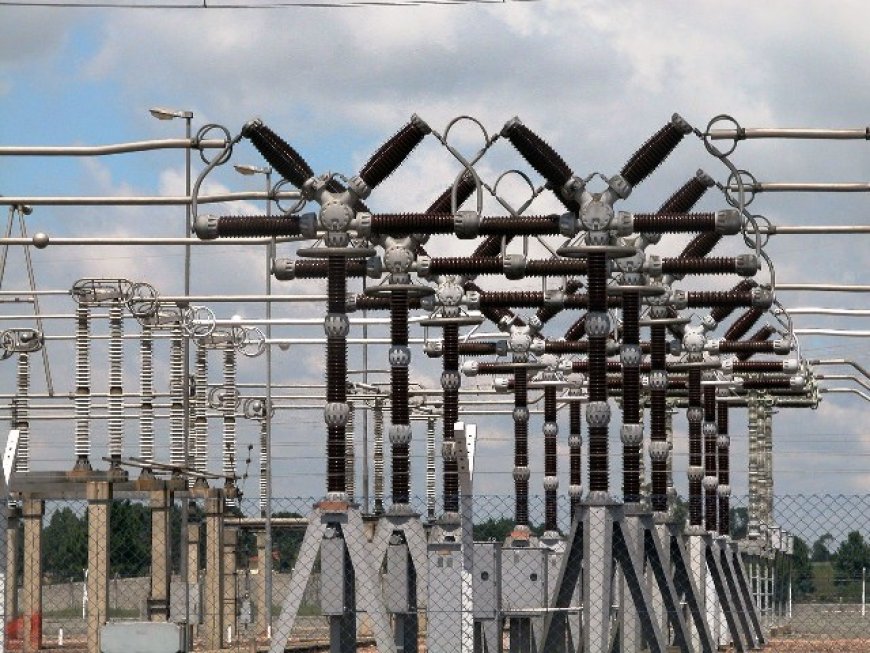
- · Education: Students in tertiary institutions are frequently reduced to studying by candlelight or rechargeable lanterns. They cannot effectively utilize computers or projectors, and dark halls of residence negatively affect academic performance and research outcomes.
- · Food Security: A lack of refrigerated storage facilities leads to massive post-harvest food spoilage and shortages. Consequently, food prices drop during harvest but spike soon after. Most smallholder farmers cannot afford the exorbitant costs of alternative power, worsening food insecurity across the nation.
- · Water and Sanitation: Public water pumping stations rely on grid electricity. Persistent power outages halt water reticulation, denying citizens access to potable water and exposing them to waterborne diseases through unsafe alternative sources.
- · Mental Well-being and Social Safety: Constant blackouts cause chronic stress and lower daily productivity. Household items like televisions become mere "decoration boxes," restricting family relaxation. Furthermore, streetlights and electronic security systems like CCTV fail in the dark, allowing criminals to execute activities under the veil of night, which drives up crime rates.
- · Micro-Enterprises: Small-scale earners such as barbers, tailors, and phone repairers lose vital daily income due to power outages, costing the micro-economy millions of naira daily.
- · Environment: The proliferation of small fossil-fuel generators emits heavy amounts of carbon into the atmosphere, causing severe environmental pollution. Alarmingly, Nigeria now spends more on generator fuel annually than its entire budgetary allocations for healthcare and education combined.
Impact on Foreign Direct Investment (FDI)
The negative impact of the energy crisis is clearly visible in the pattern of dollar inflows into Nigeria.
Foreign Direct Investment Inflows (2008–2023)
|
Year |
FDI Inflows (USD Billions) |
Historical Notes |
|
2008–2014 (Avg.) |
$5.00 – $7.00 |
Pre-crisis era; oil boom period. |
|
2018 |
$0.47 |
Sharp decline. |
|
2019 |
$0.72 |
Slight recovery. |
|
2020 |
$2.39 |
Pandemic-related distortions. |
|
2021 |
$3.31 |
Post-COVID rebound. |
|
2022 |
$1.87 |
Resumption of downward trend. |
|
2023 |
$1.08 |
Continued decline. |
Nigeria, which once regularly attracted $5 billion to $7 billion in annual FDI, now struggles to cross the $1 billion to $2 billion mark. Poor energy supply is consistently cited by international investors as a top deterrent, alongside currency risks and general insecurity. Unpredictable power creates volatile production costs, erodes profit margins, and risks damaging expensive industrial equipment during sudden grid surges or restorations. Domestic manufacturing cannot compete globally when local energy costs are three to five times higher than in peer or competitor markets.
Comparative Case Study: Nigeria vs. South Africa
South Africa faced an identical energy crisis driven by its state utility, Eskom. Eskom managed a collapsing, coal-heavy grid that was plagued by corruption, mismanagement, and underinvestment. However, their approach and structural recovery outline clear contrasts with Nigeria:
Comparative Energy Profile
|
Parameter |
Nigeria |
South Africa |
|
Primary Crisis Driver |
Gas supply failures, grid decay, and systemic corruption. |
Eskom mismanagement and frequent coal plant breakdowns. |
|
Energy Utility Structure |
Fragmented system (NERC / TCN / DisCos). |
Historically a single state monopoly (Eskom). |
|
Installed Capacity |
13,625 MW |
49,000 MW |
|
Population |
220 million |
62 million |
|
Per Capita Consumption |
62 kWh / year |
3,900 kWh / year |
|
Local Crisis Nomenclature |
Grid collapse / Total darkness |
Load shedding (Stages 1 to 8) |
|
Worst Crisis Period |
Ongoing (multiple grid collapses). |
2022–2023 (Stage 6 to 8 load shedding). |
|
Macroeconomic Impact |
Manufacturing share of GDP fell to 8.64%. |
GDP growth fell by 1.5% to 1.8% in 2023. |
|
Daily Economic Cost |
$100+ million (estimated) |
$51 million per day |
|
Total 2023 Economic Loss |
$29 billion (generator fuel costs alone). |
$67 billion |
|
Private Sector Response |
Slow and fragmented. |
Rapid solar boom (8.97 GW deployed by 2024). |
|
Government Response |
Ongoing reforms with slow execution. |
Energy Action Plan of 2022; load shedding ended in 2024. |
|
Renewable Energy Share |
Less than 5% |
15% and growing rapidly |
How South Africa Solved its Energy Crisis
Under President Cyril Ramaphosa, the South African government launched a comprehensive Energy Action Plan in 2022, introducing policies designed to maximize private investment. Key interventions included:
- · Removal of Licensing Caps: The government lifted the licensing cap for private embedded generation from 1 MW to unlimited (initially 100 MW), unlocking billions in private capital.
- · Rooftop Solar Tax Incentives: Households received a 25% tax rebate for installing solar panels, adding 961 MW from residential properties alone in 2024.
- · Energy Bounce-Back Loan Scheme: A government-backed scheme allowed businesses to easily secure loans to install solar panels and battery storage, moving many commercial entities off the national grid.
- · Eskom Operational Reforms: The utility cleared its maintenance backlog, raising its Energy Availability Factor (EAF) from 56% to 65% for more reliable generation.
- · Regional Power Imports: South Africa imported between 300 MW and 1,625 MW of electricity from neighboring Mozambique, Zimbabwe, and Zambia to provide immediate supply relief.
- · Battery Energy Storage Systems (BESS): The state integrated grid-scale battery systems to prevent supply disruptions during peak demand hours.
- · Independent Power Producers (IPPs): Procurement programs brought gigawatts of private wind and solar capacity online.
- · Unbundling Eskom: The old monopoly was split into three distinct, accountable units: Generation, Transmission, and Distribution.
- As a direct consequence of these aggressive reforms, load shedding officially ended in March 2024, and South Africa's total solar capacity reached 8.97 GW by the end of that year. South Africa fixed its crisis due to political will, private sector empowerment, solar incentives, clearing utility maintenance backlogs, and diversifying fuel sources with speed.
Solutions to Nigeria's Energy Crisis
By applying lessons from South Africa and other emerging economies, Nigeria can address its energy challenges using a structured timeline:
Short-Term Solutions (Immediate to 1 Year)
- · Remove Private Generation Licensing Barriers: Eliminate regulatory bottlenecks to unlock immediate commercial and industrial investments in captive power generation.
- · Secure Gas-to-Power Infrastructure: Fast-track critical gas contracts and protect pipelines to restore 2,000 MW to 3,000 MW of stranded thermal capacity.
- · Accelerate National Metering Rollout: End estimated billing through aggressive meter deployment, protecting DisCo revenues and building consumer trust.
- · Introduce Clean Energy Tax Incentives: Implement tax credits or rebates for households and businesses installing solar systems, reversing counterproductive state-level solar taxes to reduce grid demand.
- · Leverage Regional Energy Pacts: Optimize ties with the West African Power Pool (WAPP) to secure power import agreements during peak demand periods.
- Medium-Term Solutions (2 to 5 Years)
- · Modernize the Transmission Grid: Upgrade TCN infrastructure to increase national wheeling capacity beyond the current 5,000 MW bottleneck.
- · Procure Large-Scale Renewable IPPs: Onboard private wind and solar independent power producers to inject 5,000 MW of clean capacity into the national grid.
- · Deploy Battery Energy Storage Systems (BESS): Install grid-scale battery storage at critical nodes to balance fluctuations and reduce frequent grid collapses.
- · Implement Tariff and Subsidy Reforms: Shift toward cost-reflective pricing while preserving targeted subsidies for low-income consumers to make DisCos financially viable.
- · Expand Rural Mini-Grids: Deploy isolated solar mini-grids and home systems to extend electricity access to the 86 million citizens cut off from the main grid.
- Long-Term Solutions (5 to 15 Years)
- · Upstream Gas and LNG Sector Reforms: Restructure the domestic gas market to unlock Nigeria's vast reserves for long-term domestic power generation.
- · Achieve a 30% Renewable Energy Target by 2030: Diversify the national energy mix to mitigate fuel supply risks and reduce carbon emissions.
- · Deploy Smart Grid Technologies: Transition to modern smart grids to minimize transmission losses, optimize load distribution, and improve billing efficiency.
- · Maintain Policy Consistency: Build investor confidence by adhering strictly to long-term sector regulations, which could unlock over $10 billion in foreign investment.
- · Establish an ECOWAS "Eco-Grid": Lead regional energy integration within West Africa to share power generation resources and improve collective grid resilience.
- Conclusion
Nigeria's perennially unresolved energy crisis is not due to a scarcity of resources. The country possesses immense, underutilized potential:
- · Solar Power: 427 GW of untapped solar potential.
- · Wind Power: Excellent wind energy resources across northern regions.
- · Hydropower: Significant underutilized river capacities.
- · Natural Gas: Over 200 trillion cubic feet (TCF) of proven reserves.
These assets are more than sufficient to end the national energy deficit if properly managed. The primary obstacles remain a lack of political will, policy inconsistencies, and a slow speed of execution. By adopting the lessons of neighboring countries, Nigeria can eliminate its power crisis and establish a foundation for sustained industrial and economic growth,
References:
- NERC Quarterly Reports (Q1 2024) - Nigerian Electricity Regulatory Commission.
- IEA World Energy Outlook 2024- International Energy Agency.
- World Bank Open Data - Electricity Access % of population), Nigeria.
- IRENA Renewable Energy Roadmap: Nigeria – International Renewable Energy Agency.
- FTI Consulting: "Out of the Darkness - Economic Costs of Load-Shedding" (South Africa).
- Association of Small Business Owners of Nigeria (ASBON) Report, 2023.
- South African Energy Action Plan, Presidency of South Africa, 2022.
- IIARD: Assessing the Economic Impact of Nigeria's Manufacturing Sector, 2024.
By Arumemi Sammy-Bens Bamidele
Contact: report@probitasreport.com
Stay informed and ahead of the curve! Follow The Probitas Report on WhatsApp for real-time updates, breaking news, and exclusive content especially on integrity in business and financial fraud reporting. Don’t miss any headlines, connect with us on social media @probitasreport and visit www.probitasreport.com WhatsApp Only: +234 902 148 8737
[©2026 ProbitasReport - All Rights Reserved. Reproduction or redistribution requires explicit permission.]

What's Your Reaction?