


















































The Integrity Crisis in Nigeria's Oil and Gas Sector: Corruption, Oil Theft, Economic Losses and the Path to Reform
An in-depth analysis of integrity failures in Nigeria's oil and gas sector, examining corruption, crude oil theft, gas flaring, refinery inefficiencies, environmental damage, economic consequences, and ongoing reforms under the Petroleum Industry Act (PIA).
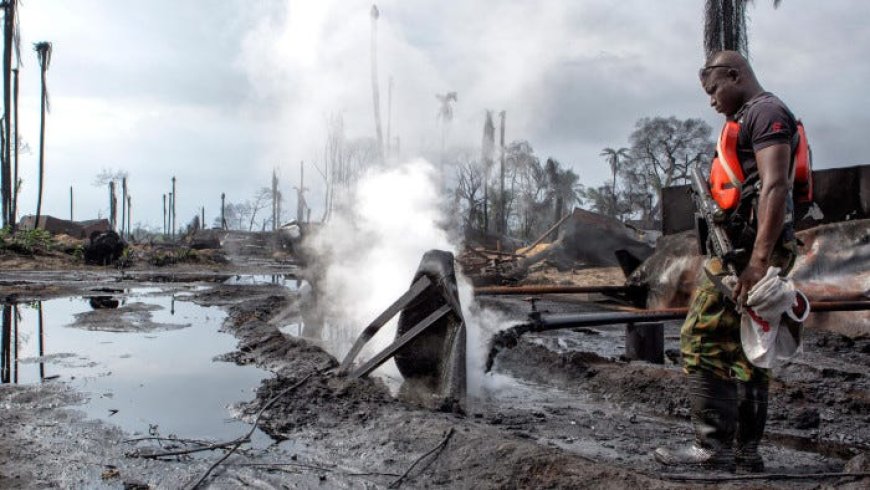


Only a handful of nations hold as much crude oil as Nigeria does. Despite sitting on Africa’s biggest known stash - about 36.9 billion barrels - it also counts nearly 209 trillion cubic feet of natural gas underground, ranking it high among world suppliers. Most people see none of the riches those resources bring. By 2024, over four out often people remained below the nation’s poverty line. Down near the foot of Transparency International’s 2025 corruption rankings, Nigeria sat at 142nd amongst 180 nations - scoring only 26 out of 100. These numbers whisper something deeper about how power is handled.


This piece traces the erosion of honesty within Nigeria’s oil and gas sector, spanning extraction to distribution. Where accountability fades, wealth slips away - citizens bear the cost. Pollution spreads quietly where oversight weakens. Trust abroad frays when records show repeated lapses. Value leaks at every turn, leaving little behind. Global investors watch closely, then look elsewhere
Scale and Scope of opportunity.
Nigeria ranks sixth globally in export volume, topping Africa’s list. Stretching over seventy thousand square kilometers, the Niger Delta Basin underlies nine key states - Abia, Bayelsa, Akwa Ibom, Cross River, Rivers, Ondo, Edo, Delta, and Imo - with Lagos and Ogun expected to enter oil output shortly. Most crude comes from these areas. By early 2024, daily output averaged 1.57 million barrels, counting condensate, aligning national yield near OPEC levels.
MORE READ:
- The Cost of Distrust: How Nigeria's Credit Culture Is Killing SME Growth and Economic Development
- 5 Corporate Governance Failures That Cost African Companies Billions - And How to Avoid Them
- Why Africa’s Richest Nations Have Weak Currencies - What Nigeria Must Do Before 2027
- Nigeria - DRC Private Sector Partnership: A New Path for African Industrialisation and Economic Sovereignty
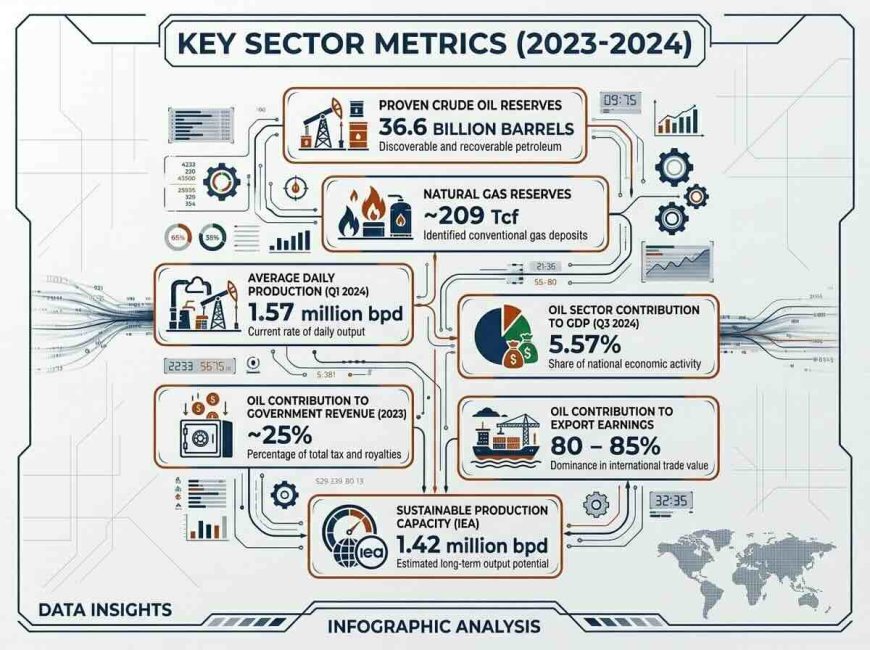
In-spite of the above figures, Nigeria GDP fell by approximately 61% between 2022 and 2024, falling to approximately $289.6 billion. This fall represent a near collapse of the economy, when viewed against the resources. The oil sector contribution to the GDP declined from 25% in 2010 to 5.57% in Q3 of 2024. This is as result of not diversifying the economy and sectoral slide into abyss occasion by integrity issues.
EXPOSITION OF INTEGRITY CRISIS IN THE OIL AND GAS SECTORS
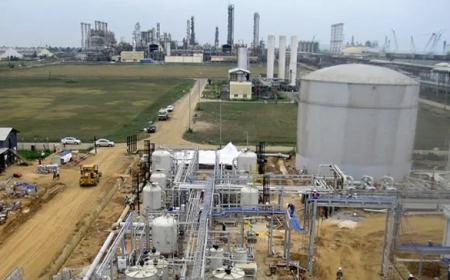
To investigate and uncover how lack of integrity has permeated the Nigeria’s oil and gas sector, it is pertinent to examine integrity vis-a-vis the value chain. The value chain is broken into three, the Upstream (Exploration and Licensing), Midstream (Transportation and Pipelines), and Downstream (Defining and Distribution)
1. Upstream: Oil block licensing - Oil block licensing is one proces that has been emershed in a lot of controversies, cos of lack of transparency. The process of issuance of licenses flawed, the people or companies with the technical expertise are by passed for, political associates, or those who are heavily connected, or those with deep pockets. In most cases, the beneficiaries resell such licenses to those with technical expertise. Lack of transparency and open bidding has robbed the nation of billions in signature bonuses and royalties.
2. Midstream: Nigeria has a network of pipeline that spans over 5,000 kilometres. This is the epicentre of crude oil theft. The NNPC(name changed to NNPC Limited), in one of their reports, has it that at peak period that as little as 30%, gets to its destination, while the rest lost to vandalism and oil theft. This is an indictment on pipeline security and NNPCL officials
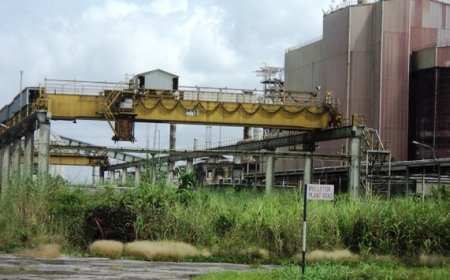
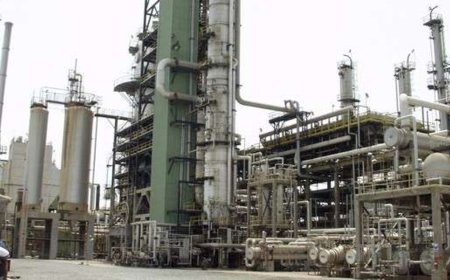
3. Downstream: The four state owned refineries, namely, Warri, Kaduna and two in Port-Harcourt, with a combined installed capacity of 445,000 bpd, they are all moribund and operationally insolvent, why the staff gets their salaries. A lot of billions have been poured to resuscitate the refineries in the “Turn Around Maintenance (TAM) funds. The years 2010 to 2021, the government spent over $25 billion, with no improvement. Recently, the erstwhile management, Mele Kyari of NNPCL , announced that the Port-Harcourt refinery is operational, it was later discovered that it was a fraud. The TAM funds spent without results has been adduced to procurement fraud and contract inflation.
4. Management of Revenue: Until last year the NNPC , operated without publishing any audited report. When the accounts for the various years of non publication was investigated by NEITI (Nigeria Extractive Industries Transparency Initiative) , it revealed billion discrepancies between revenue generated and the sum remitted to the federation account.
Crude Oil Theft: This is the near incurable cancer of the oil sector. It comes in various names locally. The most popular name being bunkering. Nigeria lost 13.3 billion to theft and pipeline vandalization, between 2023 and 2024. (source: Nigerian Extractive Industries Transparency - Initiative - NEITI). The lost sum could have been used to fund some sectors, like education.
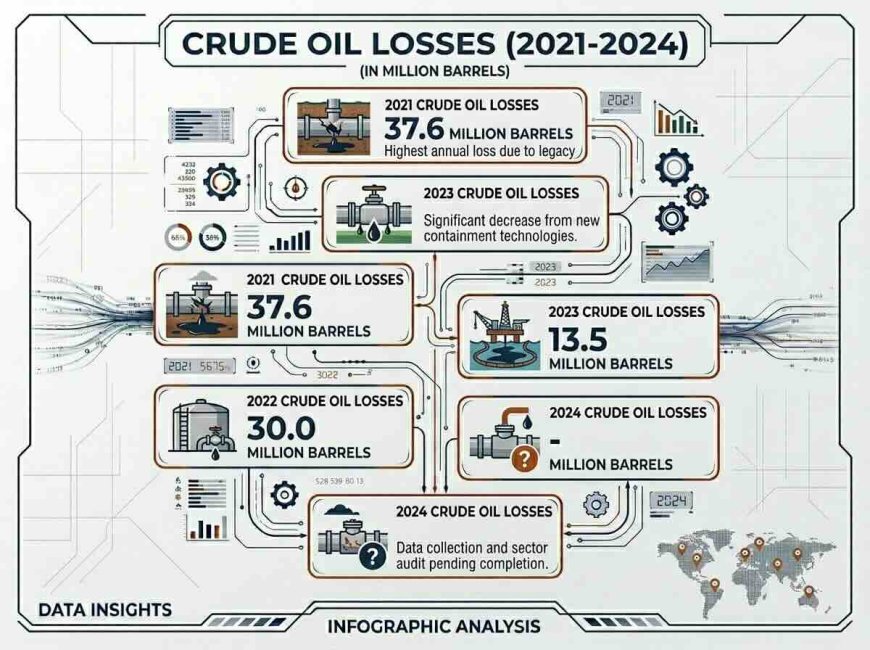
Crude Oil Losses from 2021 to 2024 (Million Barrels).
Integrity Impact on Daily Production and Revenue.
From the table it is evident that the years 2021 to 2022, the losses were quite high. This might not be connected with the restiveness in the Niger Delta and lack of adequate security around the pipelines. In 2023, there was a tremendous decrease in the loss recorded. Reports has it that , Nigeria was loosing an average of 102,900 barrels per day This is as a result of post security measures around the oil producing facilities. Production fell from 1.42bpd in January 2024 to 1.32 in February 2024, this was attributed to theft and vandalization. The government introduced the joint patrol between the Navy, Marine police, and Tantita security outfit and the deployment of surveillance technology. This has reduced bunkering significantly in the sector.
In one of its report the NNPC estimated monthly losses of $700 million , this translates to $8.4 billion annually.
Gas Flaring: Nigeria has been flaring gas since 1950. Various government pledged to end this anomaly, but it is yet to be implemented. If properly harnessed, it is exportable and power homes. Is a huge revenue earning asset. It has been estimated that a revenue of of $2.5 billion is lost annually due to flaring.
Gas flaring is hazardous to health and environment, since it emits carbon into the atmosphere. The practise has been banned since 1984, execution of the ban has iled due to corruption and political alliances.
ECONOMIC IMPACT
Oil is the mainstay or the backbone of the Nigeria economy. This sector contributes the highest amount to GDP . Nigeria has been described as a mono-import country. Hence when the revenue numbers fall , the country will be in serious fiscal crisis. Nigeria witnessed one of the worst fiscal positions in history. Due to low revenue generated in the Oil sector, the government was forced to borrow to fund basic expenditure. The government used over 96% of the IGR to service debt.
Fuel Subsidy: What started as Petroleum equalization funds, was elevated to subsidy, it was meant to protect citizens from high prices of petroleum and make them have a slice of the national cake. The subsidy regime was riddled with corruption.
MORE NEWS:
- Lagos International Financial Centre: Nigeria’s New Economic Blueprint
- How Corporate Governance Drives the Survival and Growth of Emerging Enterprises
- Why Strong Corporate Governance Is the Secret to African Business Survival
- Digital Governance in Nigeria, Why Corporate Boards Must Treat AI, Cybersecurity and Data Ethics as Fiduciary Duties
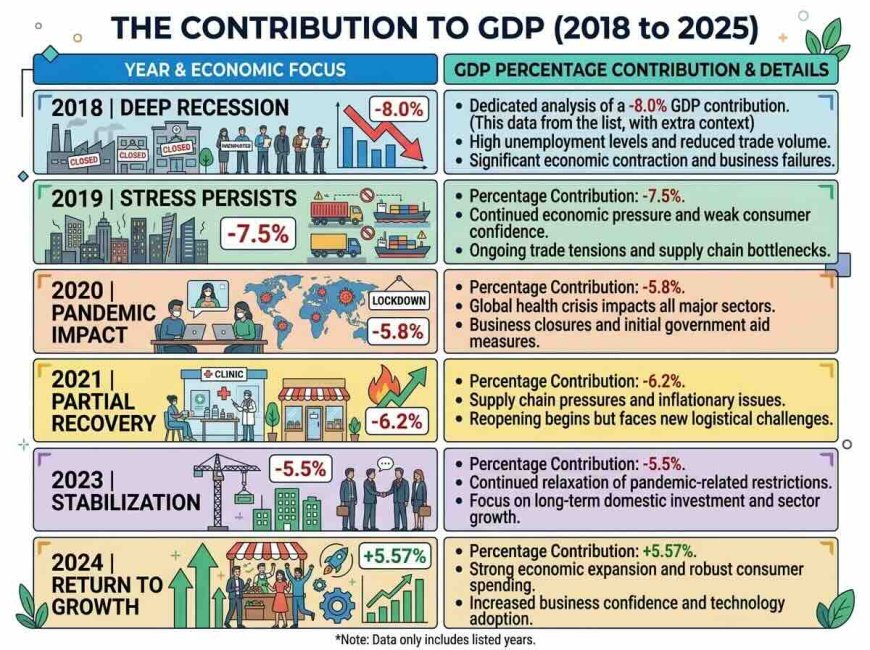
From the table, there is a steady decline in the contribution of the sector to the GDP. The contribution fell by almost 50% from 2018 to 2020. Covid 19 , oil theft, restiveness, divestment and government policies in were mostly responsible, not that the oil dried up.
IMPACT ON CITIZENS
The down turn of the economy , saw many citizens slide into the poverty bracket. According to the NBS, poverty of statistics of 2024, 133 million Nigerians (63%) live in abject poverty. Nigeria ranks second next to India, as per persons experiencing extreme poverty in the world.
The Niger Delta has poverty rate more than 70% and the North East zone, having a rate more than 70%. While unemployment stands at approximately 33% (NBS, 2023 figures)
ENVIRONMENTAL AND COMMUNITY ISSUES
The Niger Delta has been designated ad be of the mist polluted places on earth, by United Nations Environmental programme(UNEP). This is as result of integrity failures, lack of social responsibilities and corrupt compensation scheme.
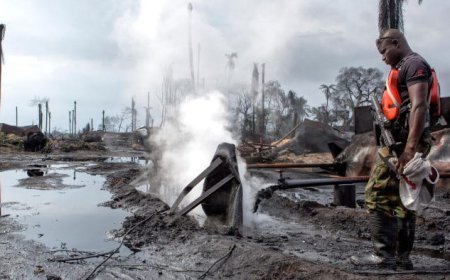
Statistics from the National Oil Spill Detection and Response Agency ( NOSDRA) recorded 4,919 oil spills. Out of which 3, 628 was attributed to sabotage and 308 to operational / maintenance failure. This accounted for 235,206 barrels of oil spilled into the environment. Shell alone reported 3,900 spillage in Bodo. The 2011 report of UNEP on Ogoni land oil spillage so terrible that they advised that it will take almost 25 to 30 years with an estimated cost of $1 billion .
The incidents of spillage has made farmlands in that region uncultivated, the rivers have become contaminated, making aquatic (fishing) farming impossible. Most of the villages that rely on the rivers for domestic use, including drinking has to trek several kilometers to satisfy this need. This has led to food insecurity and robbing the villagers of their means of livelihood.
Health Consequences
Most of the communities living around oil installations have witnessed the rise in the following ailments Bronchitis, Respiratory sicknesses, skin diseases, Wright loss in babies. This is as a result of gas flaring that release toxic chemicals into the atmosphere/ environment.
No defined compensation, this led to the International Oil Companies (IOC) having running conflicts with the host communities. This led to the ruse of militants. In the year 2016 and 2017, militants started attacking oil installations and pipelines , thereby reducing the daily output by 700,000 bpd, an estimated loss of approximately $1 billion per month.
INTEGRITY IMPACT ON INTERNATIONAL PERCEPTION.
Integrity impacts on business and how people perceive the nation and the citizens. The corruption index is the use to measure the level of corruption in a country. The statistical computation is done by Transparency Internation.
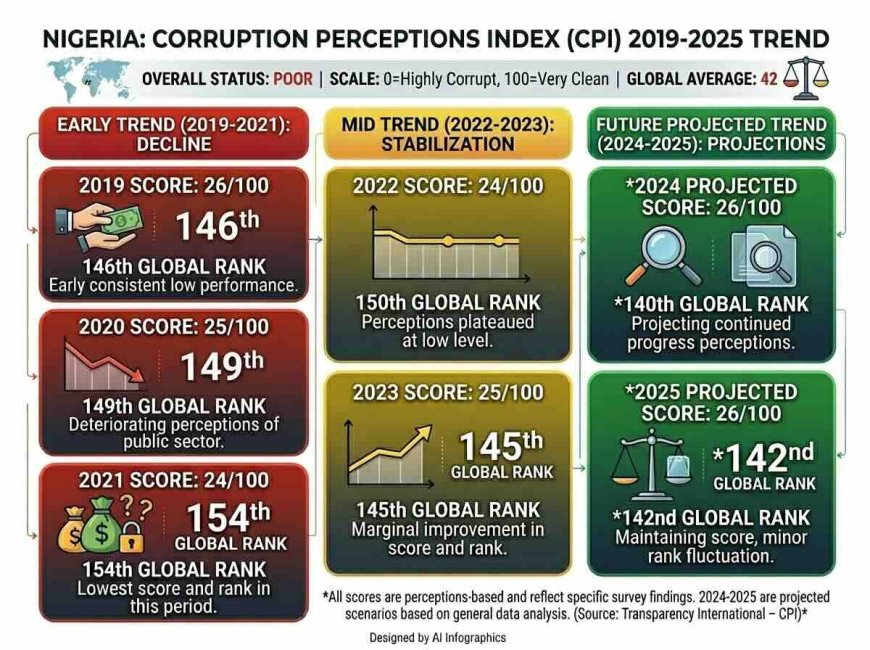
Nigeria scores persistently below the average global standard. Nigeria is one of the most corrupt countries in the world. This has impacted on how its global reputation and perception. This translates into Investors lack of interest in investing in the country, this will adversely impact the FDI, it will also translate into high risk investment premium,
INTEGRITY AND INTERNATIONAL OIL COMPANIES.
The International Oil Companies popularly refered to as (IOCs) are large companies or multi-nationals who are into the business of drilling and marketing of crude oil. These are the companies that Nigeria needs their expertise, capital and technology to develop their reserves. Hence the government went into entered Ventures (JV) with them. They were mainly foreign companies, like Shell, Agip, Total Energies onshore, Chevron, ExxonMobil and Eni.
However, due to their divestment from Nigeria, indigenous oil companies like Oando, Famfa, Sahara and Seplat have made forays into the the sector. Most of the indigenous oil companies still rely on the the foreign companies for expertise and technology.
The exodus of the IOCs gave birth for the indigenous companies to participate, some of the reasons given by these IOCs are tabularized below
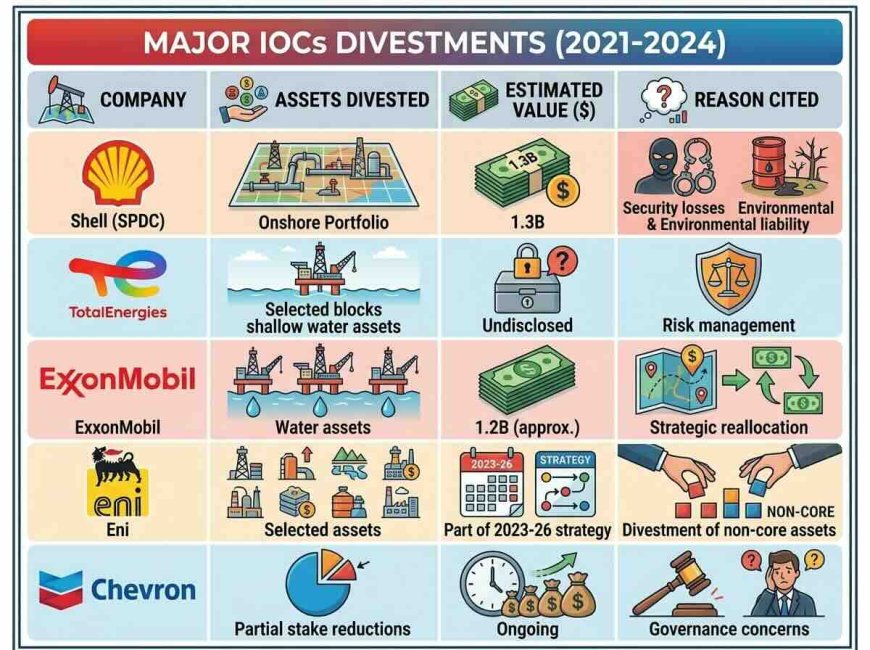
The reasons given by the IOCs is heavily predicated on lack of integrity. One of the core reasons given for JVs was technology and expertise, with their divestment this will be unachievable. Moreso, the environmental degradation which they are held accountable for , will not be passed on to the local or indigenous operators. This will negatively affect unemployment.
The above is further compounded by under investment by government. Most of the IOCs complain of government not releasing call money on time.
With the IOCs disinvestment in the Oil sector, the FDI fell by 42.3% in 2024, this portend grim outlook financially for the sector. The Oil and gas sector need billions in investment to maintain and grow the sector annually.
RECENT POLICIES IN THE SECTOR AIMED AT IMPLEMENTING INTEGRITY.
The government has deployed both human and technological solutions to arrest the deteriorating situation in the sector. Some are briefly cited below
In 2021, the government enacted a legislation named the Petroleum Industry Act (PIA), this act is to regulate and transform, and. attract global investments the oil and gas sector major features of the Act includes but not limited to the following,
Two regulatory bodies were created, namely, the Nigerian Upstream Petroleum Regulatory Commission (NUPRC) and the Nigerian Midstream and Downstream Petroleum Regulatory Authority (NMDPRA) to replace the inept DPR and PPPRA.
Commercialization of NNPC from state owned into a limited liability company, for efficiency and competitiveness
Provision for Host Communities development fund. Dedication of expenditure to fund development and infrastructure in the operating communities
The government has embarked on fiscal reforms across board. It has fixed royalties, This is to know taxes and profit sharing agreement, this is to make the sector more attractive to private and foreign investors. (source: Petroleum Industry Act Official Portal).
Apart from the PIA, the government has made far reaching policies, in an effort to make make the operators safe, the government has awarded contract to an indigenous security company, Tantita, the Nigerian Navy and the Marine Police joint patrol to ensure the safety of oil installations and pipelines. This has yielded tremendous result as the country now produces 1.66mbpd, achieving 99% of OPEC quota. (source: NNPC records).
The government has issued a policy statement that, henceforth, the revenue accruing from oil business is to be paid into the Central Bank of Nigeria coffer, NNPC hitherto was the custodian of the funds.to further check oil theft, the government has ordered that the pump heads be metered. This is to enable the NNPC to know the quantity of oil leaving the country at any point in time, the new of administration of Mr, Ojulari, has swung into action. After several years NNPC made profit and credited CBN with the profit.
By Bamidele Sammybens Arumemi // ProbitasReport Columnist // Credit Administrator //

KREENO Consortium is a Pan-African strategic advisory, investment, and enterprise transformation group dedicated to unlocking value across Africa's most critical sectors. The Consortium specializes in corporate governance, business intelligence, debt re-engineering and recovery, private investigations, risk management, infrastructure development, energy, investment facilitation, and business turnaround strategies.
Renowned for its ability to navigate complex financial, operational, and governance challenges, KREENO Consortium works with governments, financial institutions, multinational corporations, investors, and development partners to deliver sustainable solutions that strengthen institutions, accelerate economic growth, and create long-term value. Through a combination of strategic insight, execution expertise, and cross-sector collaboration, the Consortium helps organizations identify opportunities, mitigate risks, recover distressed assets, and drive transformational outcomes.
Contact: report@probitasreport.com
Stay informed and ahead of the curve! Follow The Probitas Report on WhatsApp for real-time updates, breaking news, and exclusive content especially on integrity in business and financial fraud reporting. Don’t miss any headlines, connect with us on social media @probitasreport and visit www.probitasreport.com WhatsApp Only: +234 902 148 8737
[©2026 ProbitasReport - All Rights Reserved. Reproduction or redistribution requires explicit permission.]
Files
What's Your Reaction?