

























































Nigeria - DRC Private Sector Partnership: A New Path for African Industrialisation and Economic Sovereignty
Explore how a strategic private sector-driven partnership between Nigeria and the Democratic Republic of the Congo can accelerate African industrialisation, infrastructure development, regional integration, clean energy value chains, and economic sovereignty in the evolving global economy.
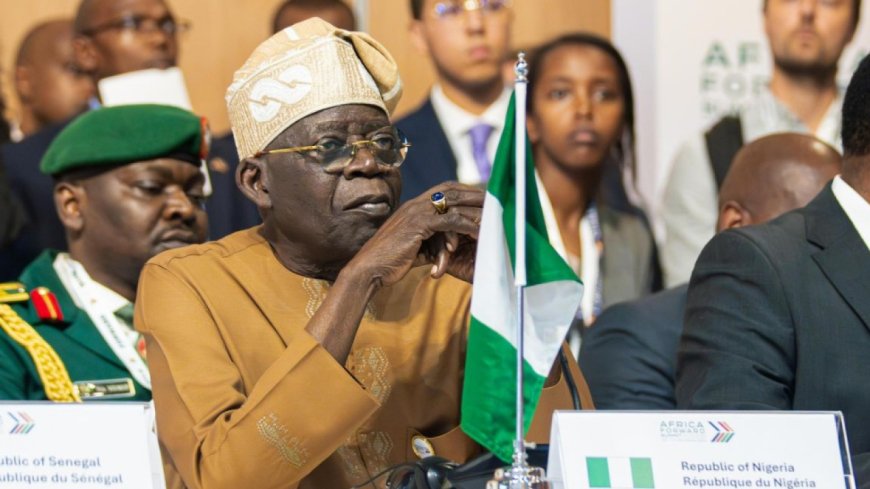

Dr Ohio O. Ojeagbase


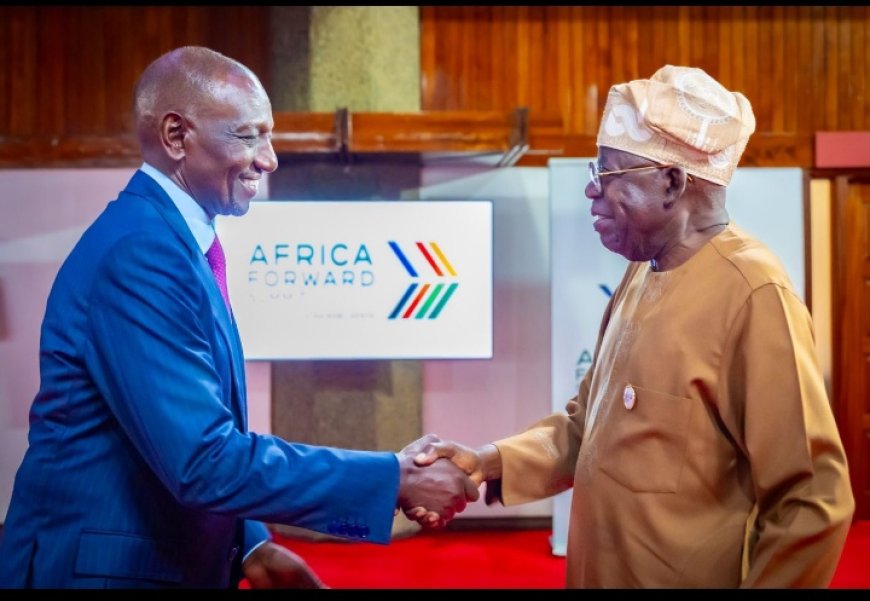
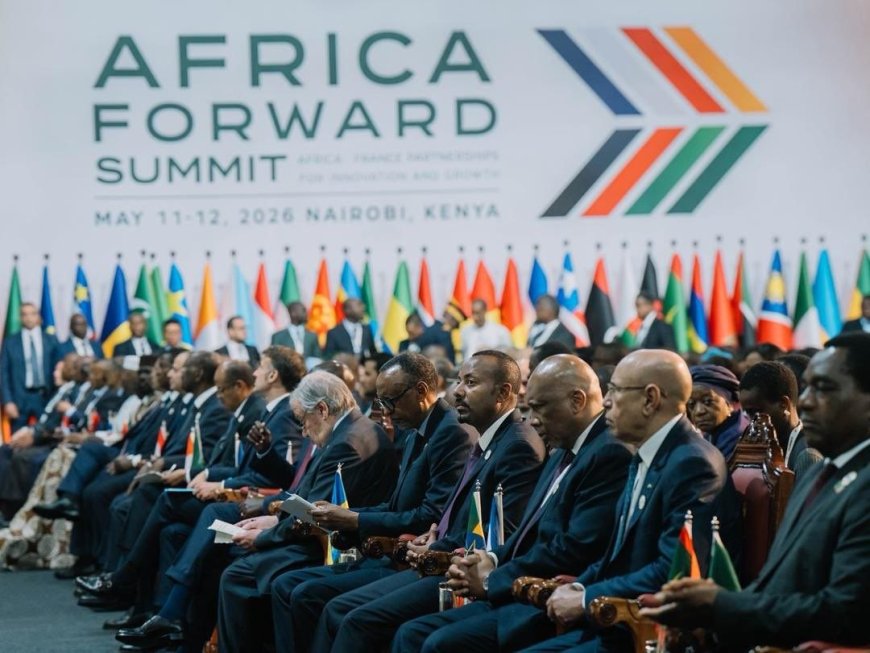
Africa stands at a defining moment in its economic history. Across the continent, there is a growing recognition that Africa can no longer depend solely on external aid, commodity exports, or fragmented national strategies to achieve prosperity. The discussions at the recent Africa Forward Summit reinforced an urgent truth: Africa must reposition itself within the global economy by transforming from a continent largely associated with raw material extraction into one driven by industrialisation, regional integration, innovation, and productive private-sector partnerships.
One of the central issues raised during the summit was the urgent need to reform the international financial architecture. Africa continues to suffer from disproportionately high borrowing costs despite possessing some of the world’s most strategic natural resources, youngest populations, and fastest-growing consumer markets. The continent pays what many analysts describe as a “prejudice premium” - an unfair risk perception that inflates the cost of capital for African countries and businesses. This reality limits Africa’s ability to industrialise, build infrastructure, create jobs, and compete globally.
Yet whilst external reforms are necessary, Africa must also look inward. Sustainable development cannot occur without stronger governance, policy consistency, magna carta rule of law, and investment-friendly systems. African countries must deepen regional integration, expand intra-African trade, and mobilise domestic resources for long-term growth. "The future of Africa will not be built on dependency but on productivity, value creation, and strategic collaboration by Africans for Africans."
In this context, a strategic private sector-driven partnership between the Federal Republic of Nigeria and the Democratic Republic of the Congo (DRC) represents one of the most transformative opportunities for continental growth. Together, Nigeria and the DRC possess the population scale, natural resources, market size, entrepreneurial energy, and geopolitical significance capable of reshaping Africa’s economic trajectory. If effectively positioned, a Nigeria - DRC partnership could become a model for African industrial cooperation, regional value chains, energy integration, and private capital mobilisation.
Nigeria is Africa’s largest economy and one of its most influential commercial hubs. With over 220 million people, a dynamic entrepreneurial ecosystem, a thriving financial sector, and growing technology and manufacturing industries, Nigeria possesses immense economic leverage with a youth population of 18.1 median age. Lagos has become one of Africa’s leading innovation and investment centres, attracting startups, venture capital, and international business interest. Nigeria also possesses one of the continent’s most sophisticated banking systems and an increasingly diversified private sector spanning agriculture, telecommunications, fintech, entertainment, logistics, alternative financing, and manufacturing.
The DRC, on the other hand, is one of the world’s richest countries in terms of natural resources. It possesses enormous reserves of cobalt, copper, lithium, gold, diamonds, timber, hydroelectric potential, and arable land. The country holds strategic importance in the global energy transition because cobalt and lithium are essential for electric vehicle batteries and renewable energy technologies. The DRC is also central to Africa’s long-term food security and energy ambitions due to its vast agricultural potential and the massive hydroelectric possibilities of the Congo River.
Despite these enormous assets, both countries face developmental challenges that reflect broader African realities. Infrastructure deficits, limited industrialisation, governance concerns, inadequate value addition, and weak regional supply chains continue to constrain growth. Much of the wealth generated from African resources still leaves the continent through the export of raw materials whilst finished products are imported at higher costs. This pattern perpetuates dependency, weakens currencies, and limits job creation amongst African nations.
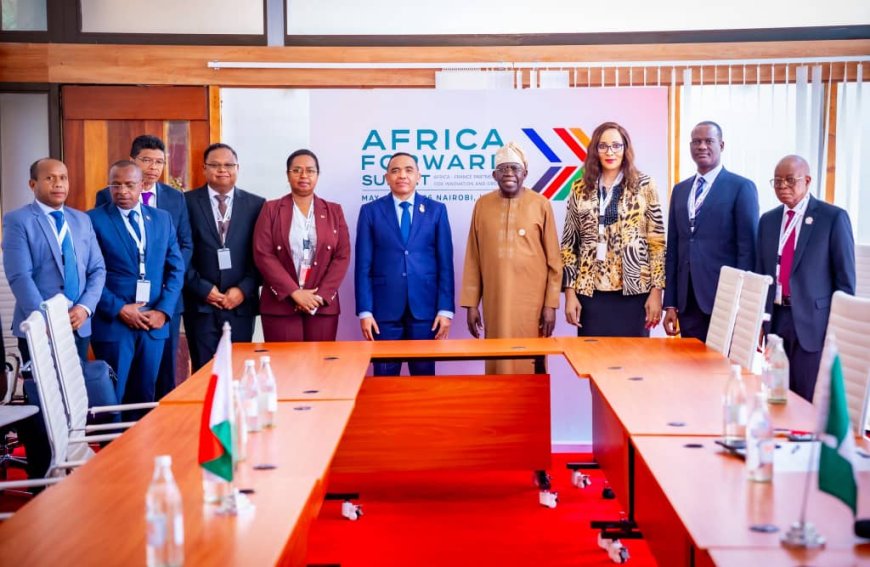
A Nigeria - DRC private sector partnership offers an opportunity to change this narrative fundamentally.
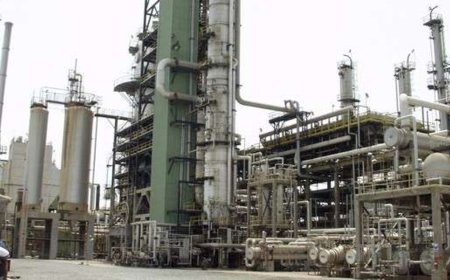
The first and perhaps most important area of collaboration is industrialisation and value addition. Africa has historically exported raw materials while importing finished goods. The DRC exports raw cobalt and copper, while much of the processing occurs outside Africa. Nigeria exports crude oil but imports refined petroleum products and industrial inputs. This model deprives African economies of manufacturing jobs, technology transfer, and industrial capabilities.
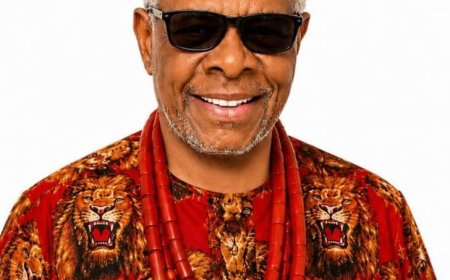
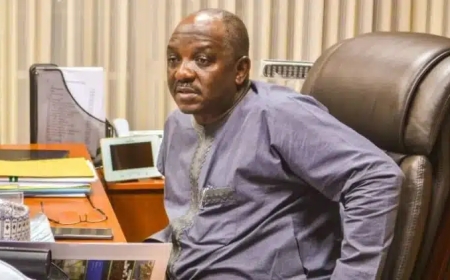
"A strategic partnership between Nigerian industrial investors and Congolese resource sectors could create regional value chains that retain more economic value within Africa. Nigerian manufacturers, financial institutions, logistics firms, and technology companies could partner with Congolese mining operators and industrial zones to establish battery-processing facilities, metal refining plants, agro-processing hubs, and manufacturing clusters. Instead of exporting raw cobalt to Asia or Europe for processing, African-owned industries could process and assemble components within Africa." .. Dr Ohio O. Ojeagbase connected online at the Africa Forward Summit
This approach aligns directly with the vision of the African Continental Free Trade Area (AfCFTA), which seeks to create a single African market capable of supporting industrial production at scale. Fragmented national markets are too small to compete globally. But integrated regional markets with harmonised policies, efficient logistics, and industrial cooperation can unlock massive economic opportunities.
Nigeria and the DRC together represent a combined population of over 330 million people. That market size alone creates significant demand for consumer goods, infrastructure, energy, housing, digital services, healthcare, and transportation. By coordinating industrial strategies, both countries can create economies of scale that attract global investment while strengthening African ownership of productive sectors.
Infrastructure development is another critical area where private sector collaboration can drive continental growth. One of Africa’s greatest obstacles to industrialisation is inadequate infrastructure. Roads, railways, ports, energy systems, digital infrastructure, and logistics networks remain insufficient to support efficient trade and manufacturing. The cost of moving goods within Africa is often higher than shipping products from Europe or Asia into Africa.
Private capital must therefore play a much greater role in financing strategic infrastructure. Nigerian banks, pension funds, sovereign investors, and infrastructure firms can collaborate with Congolese partners to finance transport corridors, energy projects, industrial parks, and digital connectivity initiatives. Such investments would not only support bilateral trade but also strengthen regional integration across Central and West Africa.
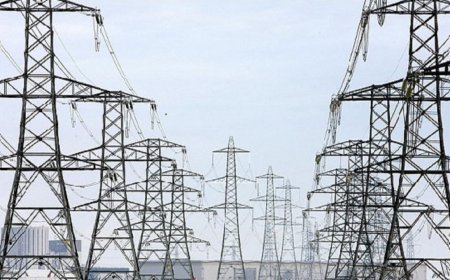
Energy cooperation is particularly significant. The DRC possesses one of the world’s greatest hydroelectric potentials through the Congo River and the Inga Dam project. Nigeria, despite being a major oil and gas producer, continues to face electricity shortages that limit industrial productivity. A long-term strategic energy partnership involving private investors could support regional electricity integration, renewable energy development, and power transmission projects capable of benefiting multiple African countries.
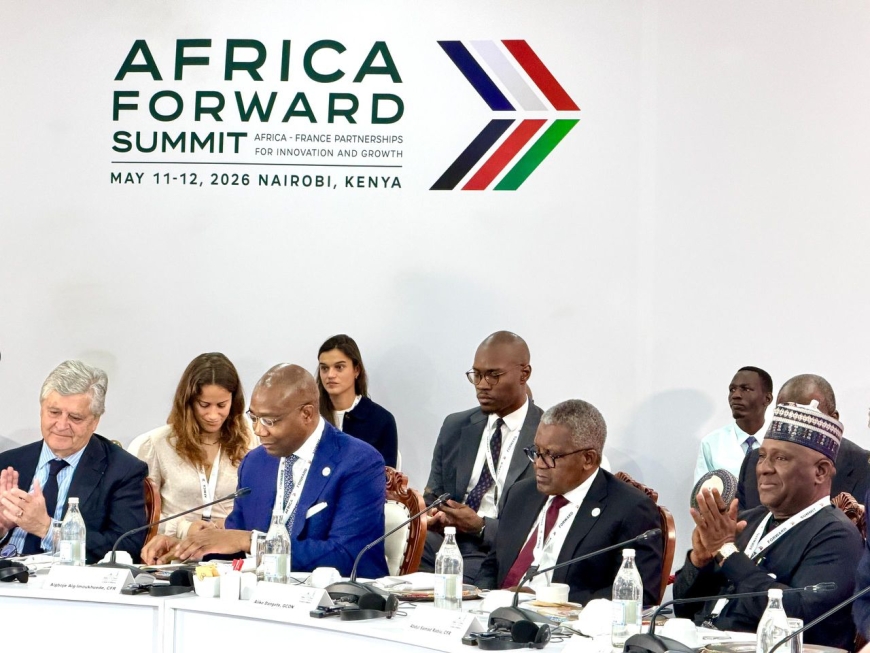
"The future global economy will increasingly be shaped by clean energy technologies and green industrialisation. Africa must position itself not merely as a supplier of critical minerals but as a participant in the manufacturing and technological value chains of the green economy. Nigeria and the DRC can jointly champion an African industrial strategy around battery production, electric mobility, renewable energy systems, and green manufacturing." Dr Ohio O. Ojeagbase
Agriculture also presents enormous opportunities for collaboration. Both Nigeria and the DRC possess vast agricultural potential, yet food insecurity remains a challenge across many African regions. The DRC has millions of hectares of fertile land capable of supporting large-scale agricultural production, whilst Nigeria possesses a large consumer market, agribusiness expertise, and growing food processing industries.
Private sector partnerships in agriculture could transform food production, storage, processing, and distribution across the continent. Nigerian agribusiness companies could invest in mechanised farming, agro-processing facilities, fertiliser distribution, cold-chain logistics, and food export systems in partnership with Congolese stakeholders. Such cooperation would strengthen food security, create jobs, reduce import dependence, and expand intra-African trade.
Technology and digital innovation must also form a central pillar of the Nigeria–DRC partnership. Africa’s youthful population represents one of its greatest competitive advantages. Nigeria has emerged as a leading technology hub on the continent, producing successful fintech, e-commerce, and digital payment companies. The DRC’s growing youth population similarly represents significant untapped potential.
Digital collaboration between Nigerian and Congolese entrepreneurs can accelerate financial inclusion, e-commerce expansion, digital identity systems, mobile banking, and technology-enabled services. African startups can develop local solutions for African challenges in logistics, agriculture, healthcare, education, and governance. Cross-border venture capital funds, innovation hubs, and technology partnerships can help scale African innovation ecosystems.
Importantly, the partnership between Nigeria and the DRC should not be driven solely by governments. Governments play an important enabling role through policy stability, regulatory reforms, and diplomatic coordination, but sustainable economic transformation will ultimately depend on private enterprise. Africa’s future growth must be private sector-led.
The global economy today is driven largely by private capital. More than $120 trillion in global private capital is actively seeking investment opportunities. Africa cannot continue presenting itself primarily through the language of aid, crisis, or charity. Instead, the continent must position itself as a destination for productive investment, innovation, and long-term returns.
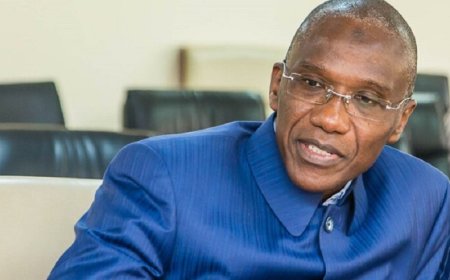
"To achieve this, Nigeria and the DRC must jointly improve the investment environment. Investors require transparency, policy consistency, contract enforcement, and efficient regulatory systems. Corruption, political instability, weak institutions, and bureaucratic inefficiencies continue to discourage investment across many African markets. Addressing these issues is essential not only for attracting foreign capital but also for mobilising African capital." Mr. Taiwo Oyedele, Minister of Finance and Coordinating Minister of the Economy in Nigeria at Africa Forward Summit 2026
Domestic capital mobilisation is particularly important. Africa possesses growing pension funds, sovereign wealth funds, insurance assets, and private wealth that remain underutilised in productive sectors. Nigerian pension assets alone have grown significantly over the last decade. If strategically deployed into infrastructure, industrial projects, and regional value chains, African capital can become a powerful engine for continental development.
The Nigeria - DRC partnership can therefore become a catalyst for African financial integration. Joint investment platforms, development finance mechanisms, regional infrastructure funds, and blended finance structures can attract both African and international investors into transformative projects. African banks and financial institutions should play a leading role in structuring and financing continental growth.
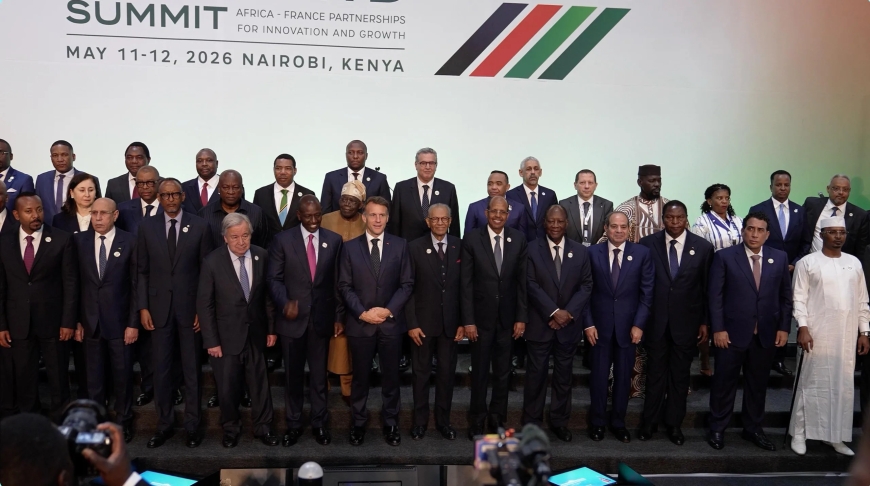
Another critical dimension of the partnership is geopolitical positioning. Africa’s voice in global economic governance remains underrepresented despite the continent’s strategic importance. The DRC is central to the global clean energy transition because of its mineral resources, while Nigeria remains one of Africa’s most influential diplomatic and economic powers. Together, both countries can advocate for fairer global financial systems, improved access to development financing, debt restructuring reforms, and equitable trade arrangements.
The international financial architecture still reflects historical imbalances that disadvantage developing economies. African countries often face higher borrowing costs than countries with similar economic fundamentals elsewhere. Credit rating methodologies frequently exaggerate African risk while underestimating African opportunity. This creates a cycle where infrastructure deficits persist because financing remains too expensive.
Nigeria and the DRC can jointly advocate for reforms that reduce the cost of capital for African economies. This includes strengthening African multilateral financial institutions, promoting local currency financing, expanding development guarantees, and creating mechanisms that de-risk productive investment. Reducing financing costs is essential if Africa is to industrialise at the scale required for sustainable growth.
Regional integration must also remain central to the vision. Africa cannot industrialise through isolated national economies. Integrated markets create larger demand bases, improve efficiency, and attract investment. The success of the Nigeria - DRC partnership should therefore extend beyond bilateral cooperation into broader continental integration.
Transport corridors connecting West, Central, East, and Southern Africa could unlock unprecedented trade opportunities. Harmonised customs procedures, digital trade systems, common industrial standards, and coordinated infrastructure planning would significantly improve intra-African commerce. Currently, intra-African trade remains far below levels seen in Europe or Asia. Expanding regional trade is essential for economic resilience and industrial competitiveness.
Youth empowerment and skills development are equally critical. Africa’s population is projected to become the largest workforce in the world by the end of the century. This demographic advantage can either become a source of prosperity or instability depending on whether sufficient economic opportunities are created.
Nigeria and the DRC must therefore invest heavily in technical education, vocational training, digital skills, entrepreneurship, engineering, and industrial capabilities. Private sector partnerships with universities, training institutions, and innovation centres can prepare African youth for participation in modern industries. Industrialisation without human capital development cannot succeed sustainably.
Women and small businesses must also be included in the continental growth agenda. Small and medium-sized enterprises represent the backbone of African economies, yet many lack access to financing, markets, and technology. Inclusive growth requires empowering women entrepreneurs, youth-led enterprises, and informal sector participants through financial inclusion, digital tools, and regional market access.
Furthermore, sustainability and environmental responsibility must remain central to Africa’s development strategy. The DRC contains one of the world’s largest rainforest systems, often described as a critical carbon sink for the planet. Industrialisation should therefore be pursued in ways that balance economic growth with environmental protection. Green infrastructure, renewable energy, climate-smart agriculture, and sustainable mining practices must become part of Africa’s long-term development model.
The partnership between Nigeria and the DRC can demonstrate that Africa does not need to choose between economic growth and sustainability. Instead, Africa can pioneer a model of green industrialisation that creates jobs while protecting critical ecosystems and supporting global climate goals.
Ultimately, the success of a Nigeria - DRC private sector-driven partnership will depend on vision, leadership, and execution. Africa has no shortage of strategies, declarations, or summit conversations. What has often been missing is implementation, coordination, and long-term consistency. Governments, businesses, financial institutions, and regional organisations must move from rhetoric to action.
The time has come for African nations to see each other not merely as neighbouring states but as strategic economic partners capable of building globally competitive industries together. Nigeria and the DRC possess complementary strengths that, if properly aligned, could reshape Africa’s economic future.
“This partnership must never be viewed merely as a bilateral arrangement between Nigeria and the Democratic Republic of the Congo. It represents a strategic continental growth platform capable of accelerating Africa’s industrialisation, deepening regional integration, mobilising African capital across the globe, creating sustainable jobs for millions of our people, and repositioning Africa as a formidable force within the global economic architecture.' Dr Ohio O. Ojeagbase connected online at Africa Forward Summit
The time has come for Africa not just to participate in global conversations, but to secure a respected seat at the table of global economic leadership. Our continent possesses the resources, the population, the entrepreneurial energy, and the strategic minerals that will define the future global economy. Africa is no longer the continent of the future alone - Africa is emerging as one of the next global superpowers, and the responsibility before us is to build the institutions, partnerships, infrastructure, intelligence network, integrity-in-busines metality, contract enforcement, and industrial capacity that will transform that potential into enduring prosperity for our people.
Africa’s future cannot remain tied to the export of raw materials and dependence on external solutions. The continent must build productive economies that generate value internally, empower local industries, and integrate regional markets. That future requires bold partnerships driven not only by governments but by visionary private sector leadership across the African nations.
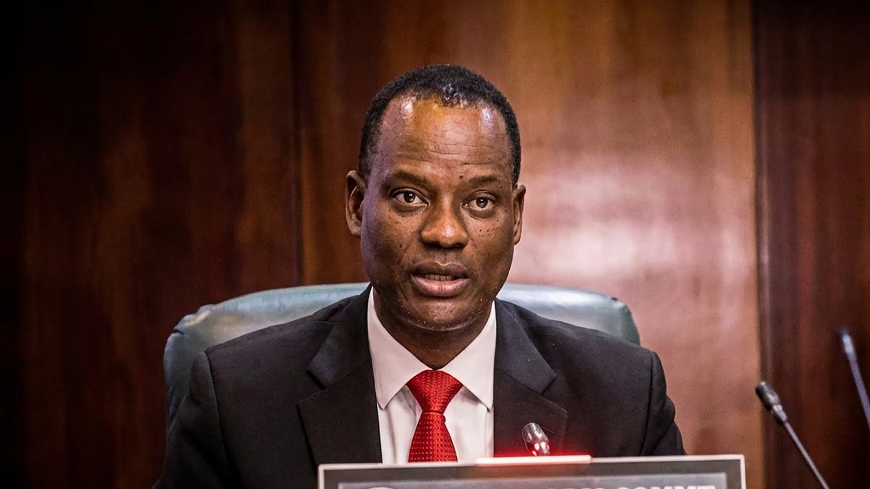
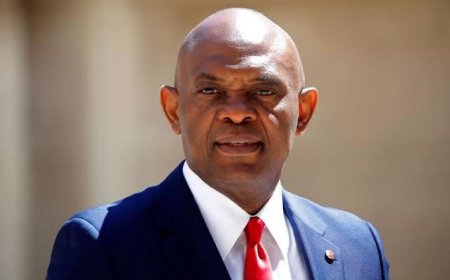
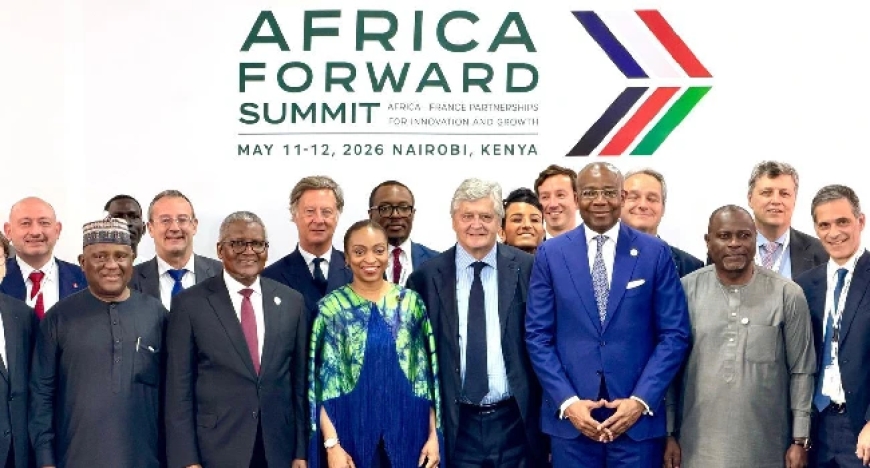
Mr. Taiwo Oyedele, Minister of Finance and Coordinating Minister of the Economy in Nigeria at Africa Forward Summit 2026
The conversations at the Africa Forward Summit highlighted both the challenges and opportunities before the continent. Reforming the international financial architecture remains essential, but Africa must also seize responsibility for shaping its own destiny. Stronger institutions, regional integration, infrastructure investment, industrialisation, and private capital mobilisation are no longer optional - they are necessities.
A strategic Nigeria - DRC private sector alliance can become one of the most important engines for this transformation. By combining Nigeria’s entrepreneurial and financial strength with the DRC’s vast resource and energy potential, both nations can create a model of African cooperation built on productivity, value addition, innovation, and shared prosperity.
The Africa we want will not emerge from dependency. It will emerge from African nations working together to unlock their collective strengths, build resilient economies, empower their people, and position the continent as a serious force within the global economic system. Nigeria and the Democratic Republic of Congo have an opportunity not only to transform their own economies but also to help lead Africa into a new era of continental growth, industrial development, and economic sovereignty.
MORE READ:
- Lagos International Financial Centre: Nigeria’s New Economic Blueprint
- How Corporate Governance Drives the Survival and Growth of Emerging Enterprises
- Why Strong Corporate Governance Is the Secret to African Business Survival
- Digital Governance in Nigeria, Why Corporate Boards Must Treat AI, Cybersecurity and Data Ethics as Fiduciary Duties
Contact: report@probitasreport.com
Stay informed and ahead of the curve! Follow The Probitas Report on WhatsApp for real-time updates, breaking news, and exclusive content especially on integrity in business and financial fraud reporting. Don’t miss any well researched headlines, connect with us on social media @probitasreport and visit www.probitasreport.com WhatsApp Only: +234 902 148 8737
[©2026 ProbitasReport - All Rights Reserved. Reproduction or redistribution requires explicit permission.]
What's Your Reaction?