














































































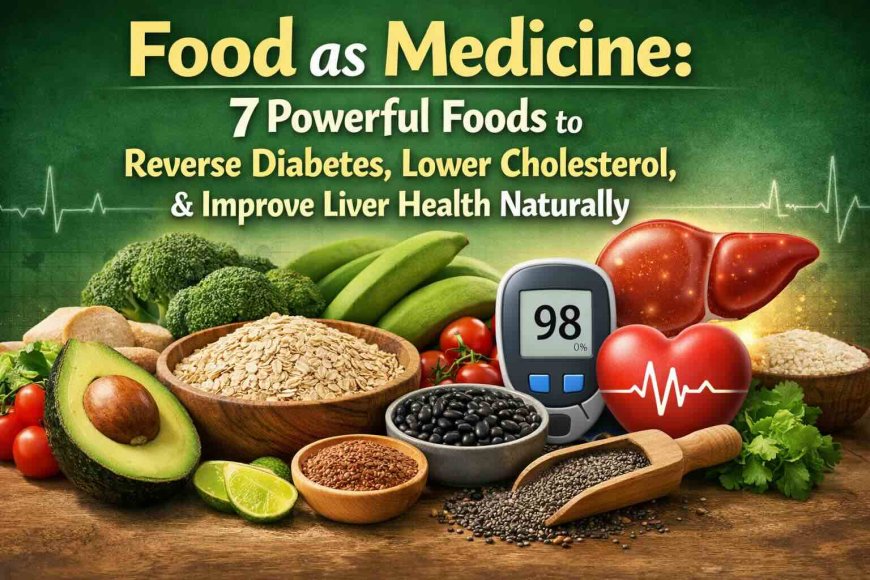
Food as Medicine: 7 Powerful Foods to Reverse Diabetes, Lower Cholesterol, and Improve Liver Health Naturally
Discover 7 scientifically backed foods like oats, beans, flaxseeds, and unripe plantain that help lower blood sugar, reduce cholesterol, improve liver health, and control blood pressure naturally.
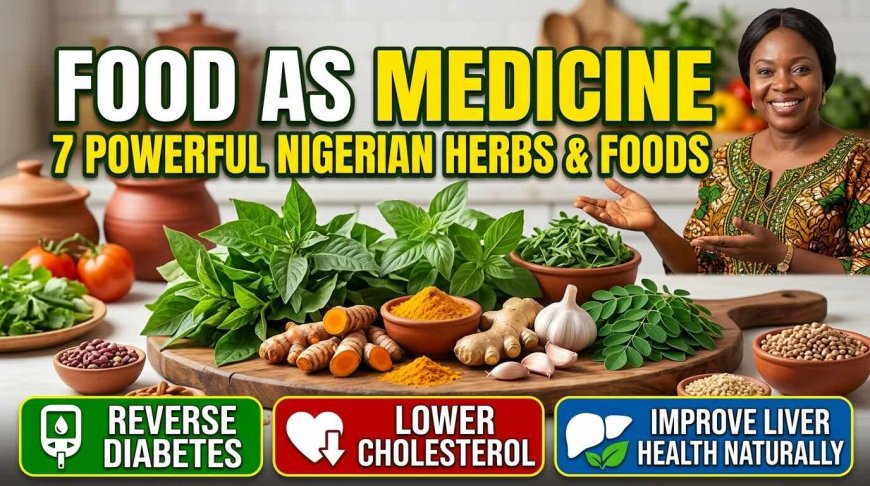

FOOD AS MEDICINE: How Everyday Staples Reverse Diabetes, Hypertension, Fatty Liver, and High Cholesterol


In an era where chronic diseases dominate public health conversations, the most powerful interventions are not always found in pharmacies. Increasingly, science points back to something far simpler and far more accessible: food. Not processed, refined, or engineered products but real, fiber-rich foods that work with the body’s biology to restore balance.
Across conditions such as type 2 diabetes, hypertension, fatty liver disease, and high cholesterol, a common thread emerges such as metabolic dysfunction driven largely by poor dietary patterns, particularly a deficiency of fiber. The following foods demonstrate how targeted nutritional choices can correct these imbalances at their root.

Oats: The Cholesterol and Blood Sugar Regulator
Oats contain a specific type of soluble fiber known as beta-glucan. Once consumed, this fiber forms a thick gel in the intestines, effectively trapping cholesterol and preventing its absorption into the bloodstream. As a result, the liver is forced to draw cholesterol from circulating blood to compensate, leading to a natural reduction in cholesterol levels.
Beyond cholesterol control, this same gel slows the absorption of sugar into the bloodstream, preventing sharp spikes in blood glucose and excessive insulin release. Over time, this mechanism reduces the risk of insulin resistance which is the underlying driver of type 2 diabetes.
Regular consumption of oats also contributes to reduced fat accumulation in the liver and improved arterial flexibility, positively influencing blood pressure.
Application: A daily breakfast of plain rolled oats prepared with water and complemented with fruits such as banana or berries, offers a simple yet effective metabolic intervention.
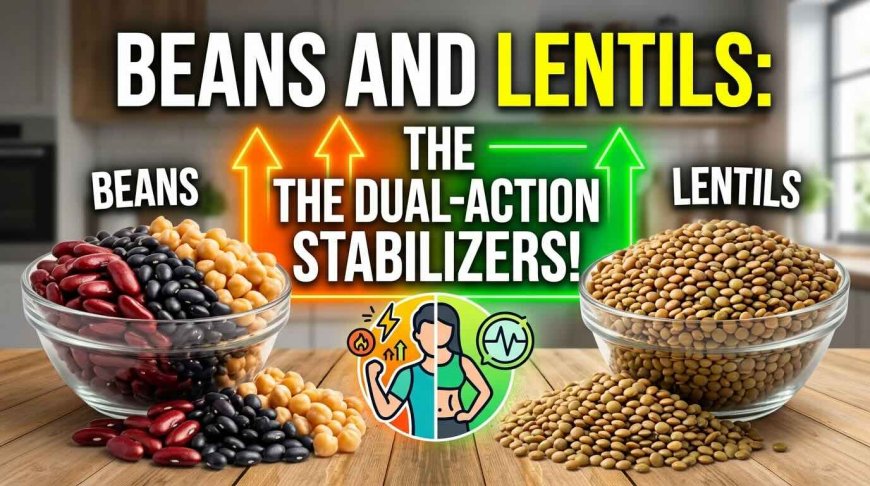
Beans and Lentils: The Dual-Action Stabilizers
Beans and lentils remain among the most underutilized therapeutic foods despite their extensive benefits. Rich in soluble fiber and resistant starch, they slow glucose absorption and nourish gut bacteria, which in turn produce compounds that reduce inflammation, improve insulin sensitivity, and support liver health.
Their protein content further enhances blood sugar stability by slowing digestion and preventing rapid glucose fluctuations. This combination eliminates post-meal spikes and subsequent energy crashes.
Application: Incorporating beans or lentils into meals at least four times weekly through soups, stews, or vegetable pairings can significantly lower fasting blood sugar, LDL cholesterol, and blood pressure.
Flaxseeds: Small Seeds, Powerful Impact
Flaxseeds are dense in lignans, compounds known to relax blood vessels and lower blood pressure. Clinical evidence shows consistent reductions in systolic blood pressure with regular intake, rivaling some pharmacological treatments.
Their soluble fiber reduces cholesterol and stabilizes blood sugar, while omega-3 fatty acids combat inflammation within blood vessels. This dual-action mechanism makes flaxseeds uniquely effective in cardiovascular protection.
Application: Two tablespoons of freshly ground flaxseed added to meals daily particularly breakfast ensures optimal absorption and effectiveness.
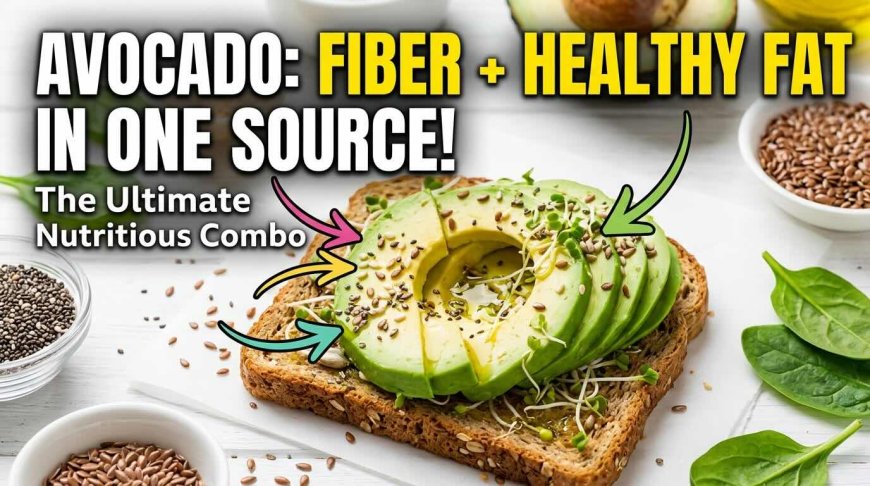
Avocado: Fiber and Healthy Fat in One Source
Avocado offers a rare combination of high fiber content and monounsaturated fats. This synergy supports gut health by promoting the production of butyrate, a fatty acid that reduces liver inflammation and enhances insulin sensitivity.
With approximately 13 grams of fiber per fruit, avocado contributes significantly to daily fiber needs while also improving cholesterol profiles by increasing protective HDL levels.
Application: Consuming half an avocado daily, whether with breakfast or as part of a meal, provides measurable benefits without contributing to unhealthy weight gain.
Chia Seeds: The Gel-Forming Metabolic Shield
Chia seeds expand dramatically when hydrated, forming a gel that slows digestion and moderates blood sugar absorption. This effect is particularly beneficial for individuals managing diabetes, as it directly reduces post-meal glucose spikes.
Additionally, chia seeds bind bile acids derived from cholesterol thereby forcing the body to use circulating cholesterol to produce more. Their magnesium content further aids in lowering blood pressure by relaxing blood vessel walls.
Application: Soaking two tablespoons overnight and consuming daily can lead to noticeable improvements in blood sugar control within weeks.

Cruciferous Vegetables: Liver Detoxification Agents
Vegetables such as broccoli, cabbage, cauliflower, and garden egg contain glucosinolates and sulforaphane, which are compounds that activate detoxification processes in the liver. These mechanisms reduce fat accumulation and inflammation associated with fatty liver disease.
Cabbage, in particular, stands out due to its affordability and availability. It contains indole-3-carbinol, which targets visceral fat and reduces oxidative stress in blood vessels.
Application: Consuming these vegetables at least four times weekly, preferably lightly steamed or stir-fried, preserves their medicinal properties.
Unripe Plantain: A Regional Superfood
For West African populations, unripe plantain represents one of the most accessible and effective dietary tools for metabolic health. High in resistant starch, it supports gut health, reduces blood sugar spikes, and lowers cholesterol absorption.
Its potassium content directly contributes to blood pressure regulation by aiding sodium excretion. Notably, allowing cooked unripe plantain to cool increases its resistant starch content, enhancing its therapeutic effect.
Application: Replacing refined carbohydrates with boiled or porridge-style unripe plantain several times weekly offers substantial health benefits without altering cultural dietary patterns.
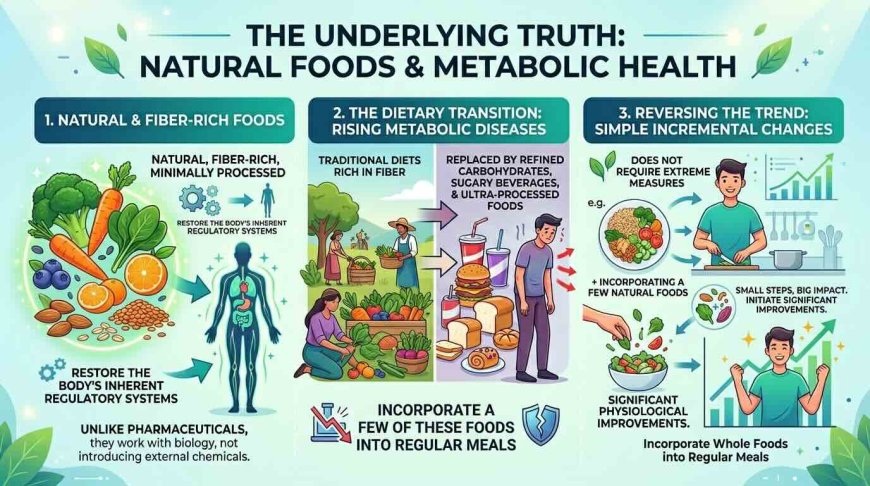
The Underlying Truth
These foods share a common characteristic: they are natural, fiber-rich, and minimally processed. Unlike pharmaceuticals, they do not introduce external chemicals into the body but instead restore the body’s inherent regulatory systems.
The rising prevalence of metabolic diseases is not a result of biological failure but dietary transition. Traditional diets rich in fiber have been replaced by refined carbohydrates, sugary beverages, and ultra-processed foods are stripping away the protective mechanisms that once maintained metabolic health.
Reversing this trend does not require extreme measures. Incremental changes such as incorporating a few of these foods into regular meals can initiate significant physiological improvements.
Conclusion
The path to reversing chronic metabolic conditions lies not in complexity but in consistency. Introducing oats, legumes, seeds, vegetables, and culturally relevant staples like unripe plantain into the diet restores balance at the cellular level.
The body responds rapidly when given the right inputs. Blood sugar stabilizes. Cholesterol declines. Liver function improves. Blood pressure normalizes. These outcomes are not theoretical, they are biological inevitabilities when the right nutritional foundations are restored. The solution has always been within reach.
By Prof. Adeleke D. Durojaiye
ADVERTISEMENT

Contact: report@probitasreport.com
Stay informed and ahead of the curve! Follow The Probitas Report on WhatsApp for real-time updates, breaking news, and exclusive content especially on integrity in business and financial fraud reporting. Don’t miss any headlines, connect with us on social media @probitasreport and visit www.probitasreport.com WhatsApp Only: +234 902 148 8737
[©2026 ProbitasReport - All Rights Reserved. Reproduction or redistribution requires explicit permission.]
What's Your Reaction?