






































































CBN Reports Higher Credit Growth Amid Rising Loan Defaults in Q4 2025
The Central Bank of Nigeria (CBN) reports a notable increase in credit to the economy in Q4 2025, signaling stronger lending activity. However, rising loan defaults threaten financial stability, highlighting growing credit risks for banks, businesses, and consumers. Explore the implications of expanding credit, non-performing loans, and the need for stricter risk management to safeguard Nigeria’s banking sector and economic growth.
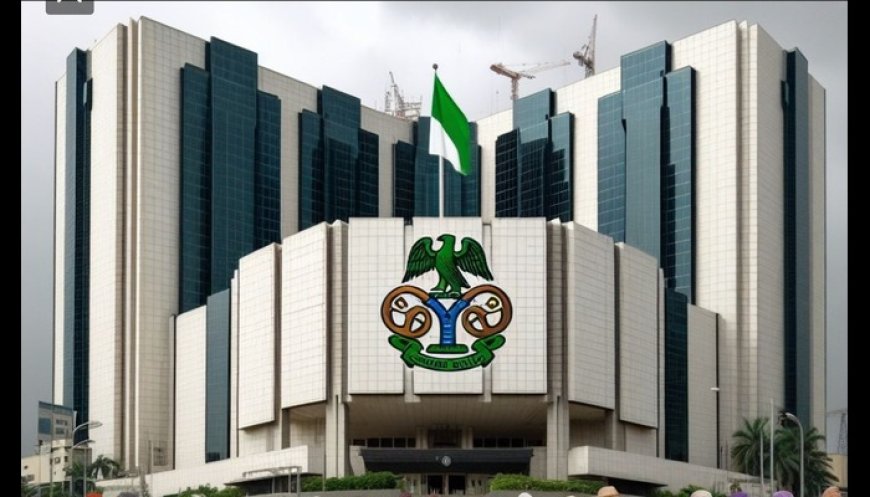

The information comes from the CBN’s Q4 2025 Credit Conditions Survey.


The apex bank noted that while overall lending conditions showed mixed outcomes, lenders are cautiously expanding access to credit despite rising repayment risks.
Credit trends during the quarter reveal both opportunities and challenges for borrowers and lenders alike, highlighting the complexity of Nigeria’s financial landscape.
What the survey is saying
Overall lending conditions reflected varied outcomes in Q4 2025, with households facing higher borrowing costs and corporate borrowers experiencing mixed pricing trends.
- Spreads on secured and unsecured household loans widened to -10.8 and -2.0 index points relative to the Monetary Policy Rate (MPR), indicating higher borrowing costs for households.
- For corporate loans, spreads narrowed for small businesses (14.8), large private non-financial corporations (PNFCs) (2.9), and other financial corporations (OFCs) (4.3), while medium-sized PNFCs saw a widening spread of -4.8 index points, reflecting tighter pricing conditions.
- Lenders reported increases in loan defaults across secured, unsecured, and corporate lending categories, signaling persistent repayment challenges.
The data suggests that although credit supply improved in some sectors, heightened default rates continue to pose risks to overall loan performance.
READ MORE:
- Non-Performing Loans Are Not Accidents. How Weak Enforcement Is Strangling Nigeria’s Productive Economy
- The rise of modern day witchcraft and the hidden influence of manipulation and selective targeting across institutions
- Meet The King Of Ethical And Professional Debt Recovery In Africa 2024 By IDRPN
- More Than Just Debt: 5 Hidden Legal and Financial Consequences of a Bounced Cheque in Nigeria by Prof. Prisca Ndu
- Navigating Modern Debt Collection in Nigeria: Ethical Recovery and Financial Integrity by Dr. Ohio O. Ojeagbase
- Nigeria Financial Security: Dr. Ohio O. Ojeagbase Leads Financial Integrity Initiatives During International Fraud Awareness Week

Backstory
Earlier this month, the CBN reported that private sector credit rose to N74.63 trillion in November 2025, signalling an early rebound in lending activity following the CBN’s September policy rate cut.
The data shows a marginal increase from N74.41 trillion recorded in October.
The data suggest that while tight monetary conditions constrained lending for most of the year, easing policy signals are beginning to stabilise credit flows to businesses and households.
- Previous CBN reports highlighted that households often face constrained borrowing due to elevated interest rates and limited disposable income.
- Corporate lending has generally benefited from targeted policy measures and liquidity support, particularly for large and small PNFCs.
- Ongoing macroeconomic pressures, including inflation and rising operational costs for businesses, have consistently influenced loan performance and default trends.
What you should know
The Q4 2025 findings show cautious optimism among lenders as they expand credit while monitoring repayment challenges.
Lenders reported that higher credit availability for secured and corporate loans was driven by shifting economic outlooks and strategic market positioning.
- Growth in unsecured lending was linked to changes in economic expectations and adjustments in the cost and availability of funds.
- The CBN emphasized that these developments reflect the delicate balance banks face between supporting economic growth and managing heightened credit risk.
- In September 2025, CBN Monetary Policy Committee’s (MPC) took the decision to cut the Monetary Policy Rate (MPR) by 50 basis points to 27 per cent.
In November, the MPC retained the MPR at 27 per cent but adjusted the interest rate corridor.
Credit to Nairametrics

Contact: report@probitasreport.com
Stay informed and ahead of the curve! Follow The Probitas Report on WhatsApp for real-time updates, breaking news, and exclusive content—especially on integrity in business and financial fraud reporting. Don’t miss any headlines—connect with us on social media @probitasreport and visit www.probitasreport.com WhatsApp Only: +234 902 148 8737
What's Your Reaction?