














































































Understanding the Reproductive Cycle: What Every Teenager Should Know
Understanding the Reproductive Cycle: What Every Teenager Should Know is an educational and easy-to-read guide designed to help teenagers understand the menstrual and reproductive cycle in a healthy, positive way. The article explains the four phases of the cycle, common physical and emotional changes, what is normal and what is not, and why body awareness matters during adolescence. Written in simple language, it encourages confidence, self-care, and informed health choices while promoting openness and respect for the natural changes that occur during puberty.


By Nurse Raji-Akhigbe


Growing up comes with many changes, and some of them can feel confusing at first. One of the biggest changes many teenage girls experience is the start of their menstrual cycle. For some, it arrives quietly. For others, it comes with cramps, questions, and a lot of uncertainty. If you have ever wondered what is happening in your body or why your mood and energy seem to change at different times of the month, you are not alone.
The reproductive cycle, often called the menstrual cycle, is a normal and healthy part of development. It is your body’s way of showing that your hormones are working and that your system is maturing. It is not something to be ashamed of, and it is certainly not just about bleeding once a month. It is a process that affects your energy, emotions, focus, and overall well-being.
What Is the Reproductive Cycle?
The reproductive cycle is a monthly pattern of changes in the body, guided by hormones. These hormones send messages that help the body prepare for the future, even though teenagers are not expected to think about pregnancy at this stage of life. For now, the cycle simply shows that the body is learning how to balance itself.
A cycle usually lasts between 28 and 35 days, but for teenagers, it may be shorter, longer, or irregular in the beginning. That is completely normal. It can take a few years for the body to settle into a steady rhythm.
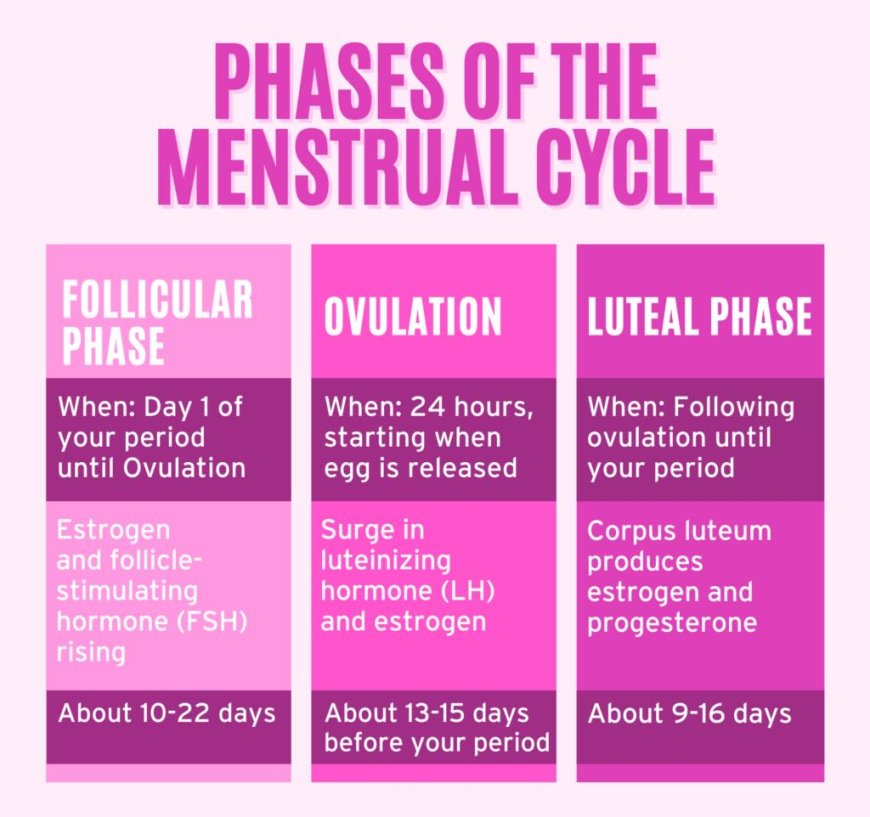
There are four main phases in the cycle, and each one plays a different role.
The Menstrual Phase: When Your Period Comes
The menstrual phase is when you have your period. This is the part most people know about. It happens when the body sheds the lining it prepared the previous month. Bleeding usually lasts between two and seven days.
During this time, hormone levels are low, so you might feel tired, less motivated, or in need of extra rest. Mild cramps, lower back pain, or feeling a bit cold are common. Resting, staying hydrated, and using warmth can help your body feel better.
Pain that is very strong or bleeding that is extremely heavy is not something to ignore. Your period should not stop you from living your normal life. If it does, it is important to talk to a trusted adult or a healthcare professional.
The Follicular Phase: Energy Begins to Rise
Once your period ends, the body enters the follicular phase. This is when oestrogen, one of the main hormones, begins to increase. Your body is preparing an egg for release later in the cycle.
Many girls notice that they feel lighter, more energetic, and more focused during this phase. You may feel more confident, creative, or motivated. This is a good time to concentrate on schoolwork, try new activities, or be more socially active.
Eating well, sleeping properly, and staying active all support your body during this phase.
Ovulation: Understanding What Happens
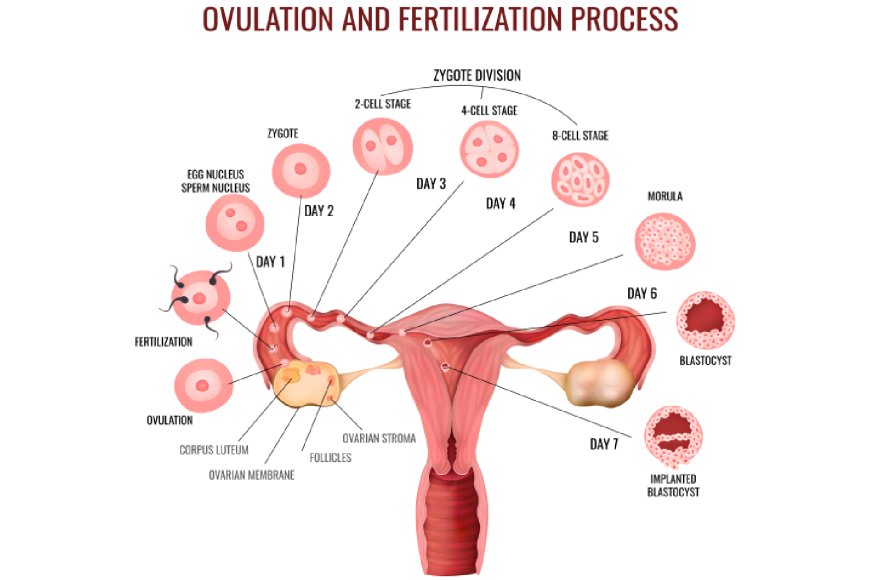
Ovulation is when the body releases an egg. It usually happens around the middle of the cycle, but it does not always happen on the same day each month, especially for teenagers. Stress, illness, or lack of sleep can cause ovulation to shift.
Some girls notice signs during ovulation, such as clearer or stretchy discharge, a small burst of energy, or mild pain on one side of the lower abdomen. These signs are normal and simply show that hormones are doing their job.
Learning about ovulation is not only for people trying to have babies. It helps you understand your body’s natural rhythm and why you may feel different at certain times of the month.
The Luteal Phase: Slowing Down Again
After ovulation comes the luteal phase. During this time, progesterone rises, and the body prepares for the next cycle. Energy levels may drop, and emotions can feel stronger.
This is when some teenagers experience premenstrual symptoms, often called PMS. These can include mood swings, tiredness, bloating, breast tenderness, headaches, or feeling more sensitive than usual. Mild symptoms are common and usually pass once your period starts.
Taking care of yourself during this phase makes a big difference. Drinking enough water, reducing sugary snacks, eating fruits and vegetables, getting enough sleep, and doing gentle movement can help your body cope better.
Knowing What Is Normal
Every body is different, but there are general signs that help you know what is normal. Periods lasting between two and seven days, mild cramps, mood changes before your period, and some irregular cycles in your teenage years are all normal.
However, there are signs you should not ignore. These include very heavy bleeding, severe pain, foul-smelling discharge, periods lasting longer than a week, or missing your period for several months. These are signals that your body may need help, and seeing a healthcare provider is important.
Why Tracking Your Cycle Helps
Tracking your cycle simply means paying attention to what your body does each month. You can note when your period starts, how long it lasts, how you feel, and any symptoms you notice. Over time, patterns begin to appear.
Tracking helps you feel prepared instead of surprised. It teaches you when your energy is higher and when your body needs rest. It is a way of listening to your body, not controlling it.
Caring for Your Changing Body
Your reproductive cycle responds to how you live. Drinking water, eating nourishing foods, moving your body gently, sleeping well, and managing stress all support healthy hormones. You do not need to be perfect. Small, consistent habits matter more than big changes.

A Final Word
Your reproductive cycle is not a problem to fix. It is a message from your body, repeated every month. Learning to understand it now gives you confidence, self-respect, and awareness that will serve you for life. When you listen to your body and care for it, you are building a strong foundation for your future health.
About The Author
Nurse Raji-Akhigbe is a qualified nurse, public health expert, health coach and Founder of Raji Health Consult who loves helping women and girls learn about their bodies in a clear and confident way. With a background in nursing and public health, she specializes in menstrual health education, hormone balance, and cycle awareness, converting medical knowledge into practical, everyday guidance. Through her writing and programs, she is dedicated to empowering young people and women to identify their body’s signals, make informed health choices, and live with greater balance and well-being.

Contact: report@probitasreport.com
Stay informed and ahead of the curve! Follow The Probitas Report on WhatsApp for real-time updates, breaking news, and exclusive content—especially on integrity in business and financial fraud reporting. Don’t miss any headlines—connect with us on social media @probitasreport and visit www.probitasreport.com WhatsApp Only: +234 902 148 8737
What's Your Reaction?






-
 Uchechi NjikomeQuite insightful Ma'am...well done